Prepare for a glimpse into the future of air travel as the first phase of the Navi Mumbai International Airport (NMIAL) is set to open its doors. This ambitious project, built with an investment of approximately ₹19,500 crore, boasts a single terminal and one runway capable of serving 20 million passengers annually. Its grand inauguration by the Prime Minister marks a significant milestone in India’s aviation landscape, scheduled for Wednesday, October 8, 2025.
The development of this expansive airport is a multi-phase endeavor, undertaken by Navi Mumbai International Airport Limited (NMIAL). The Adani Group holds a 74% stake in this venture, with the remaining 26% managed by CIDCO, the Maharashtra Government’s esteemed land development authority.
Once fully operational across all its phases, the Navi Mumbai International Airport will stand as one of Asia’s premier aviation hubs. It is designed to feature four terminals, accommodating an impressive 90 million passengers per annum, alongside a substantial cargo capacity of 3.25 million metric tonnes. This will undoubtedly reshape the region’s connectivity and economic prowess.
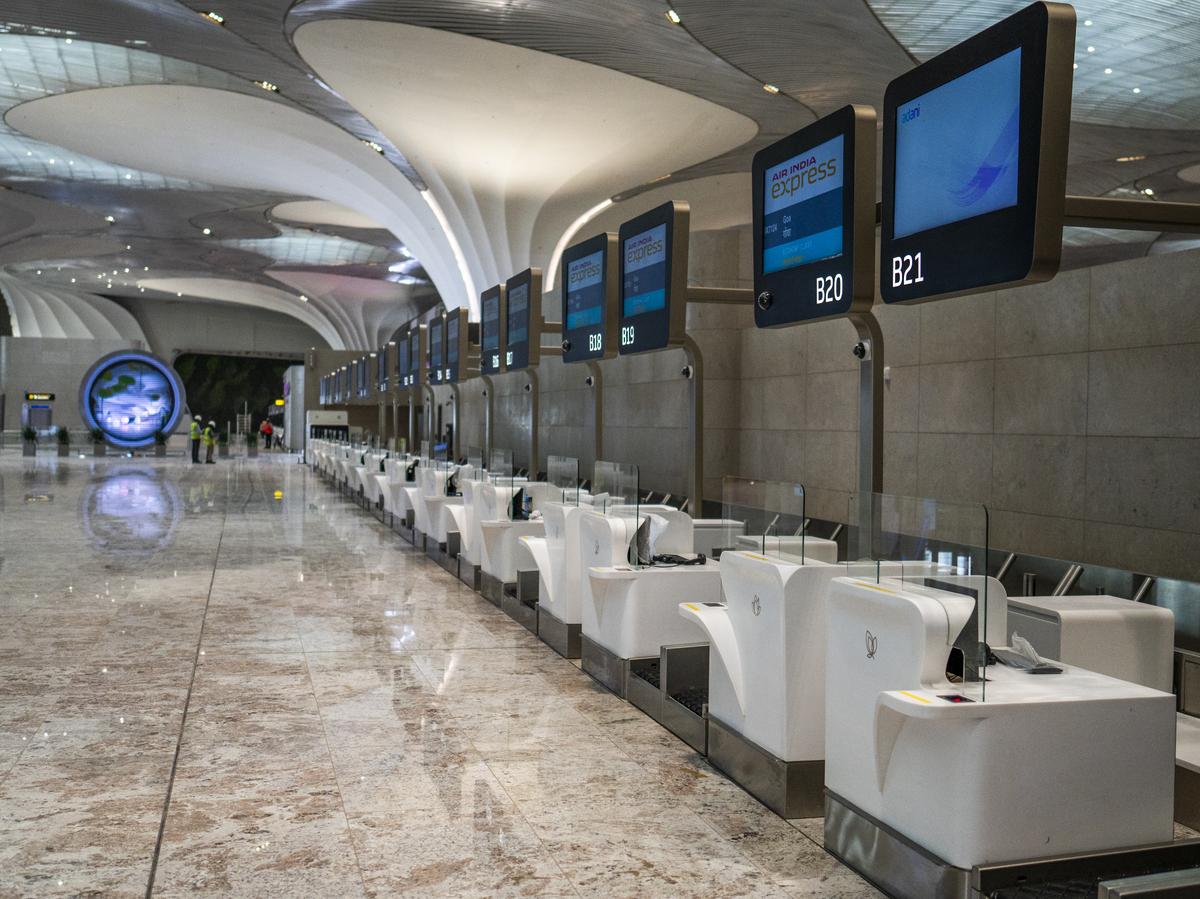
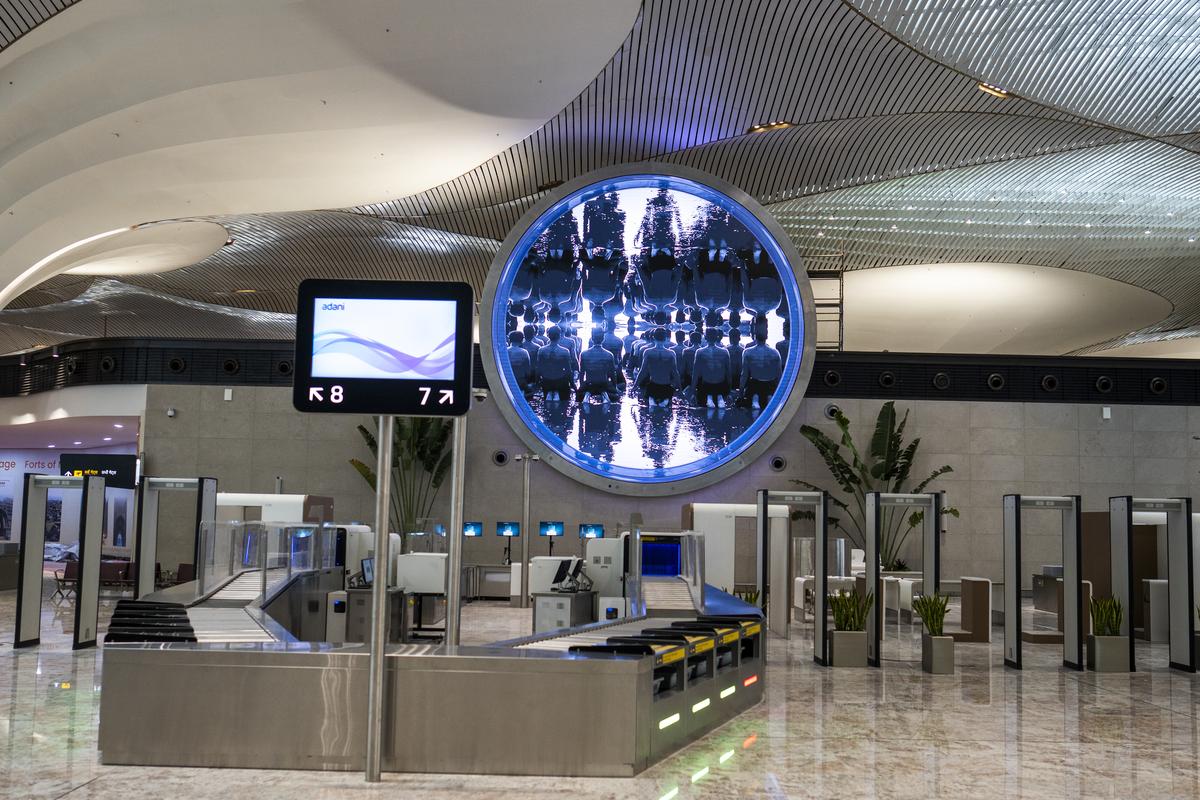
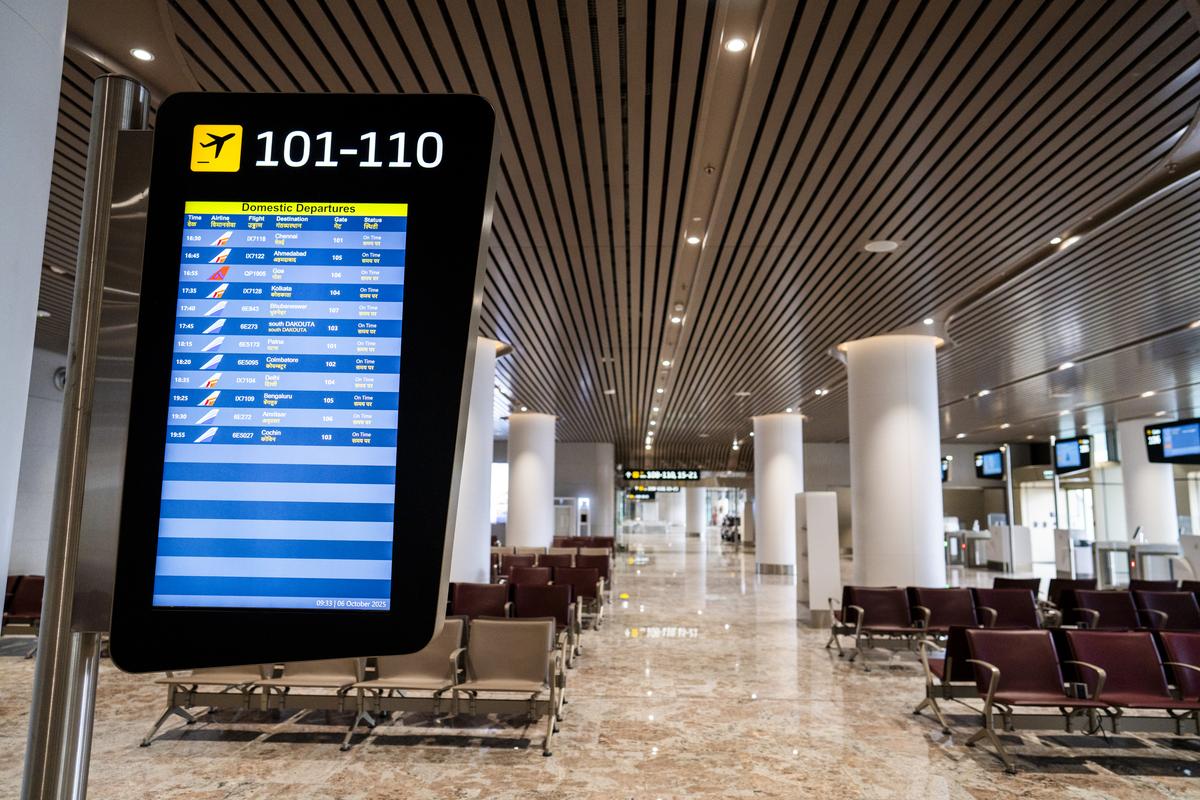
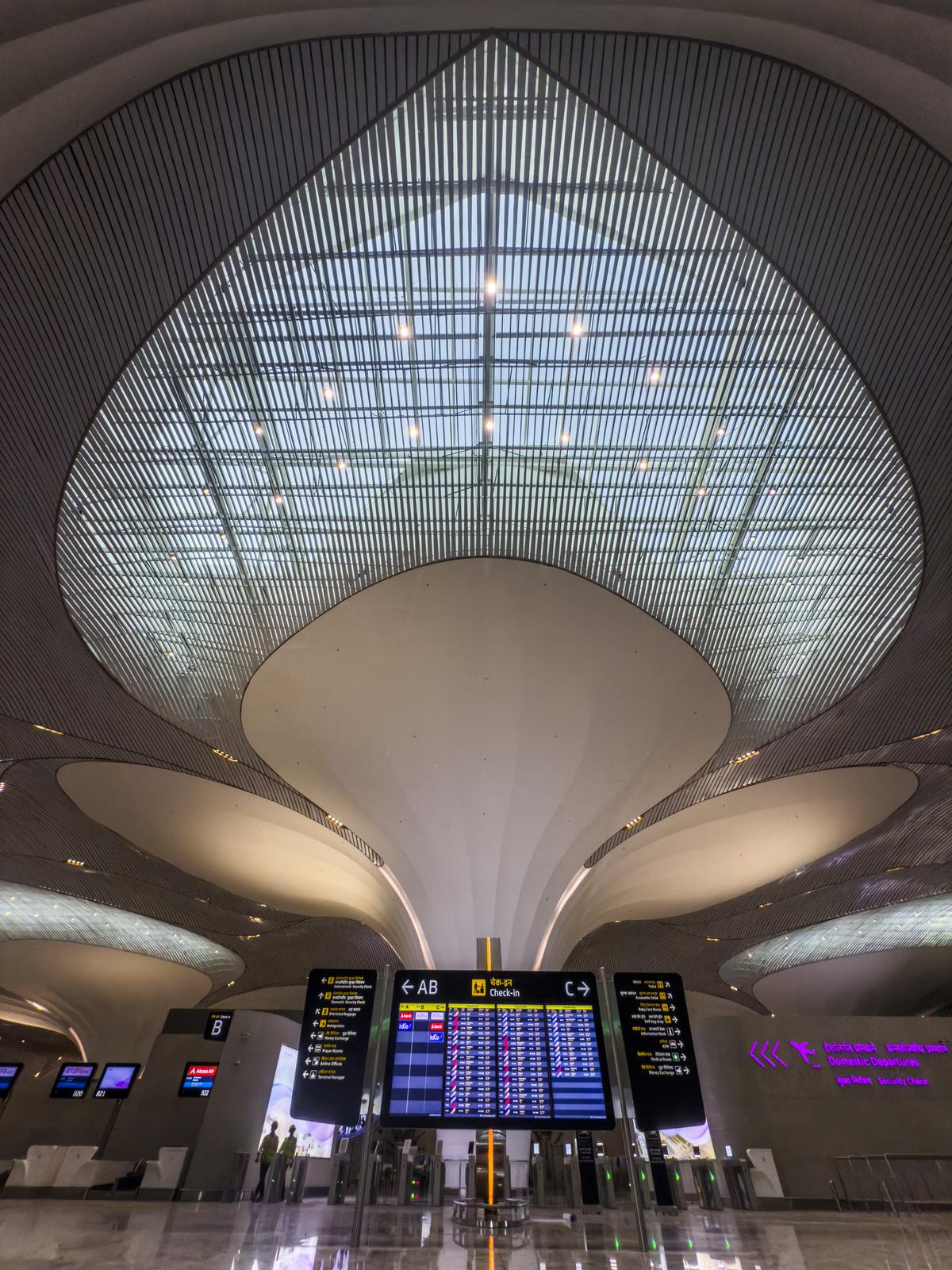
Join us for an exclusive visual preview of the newly unveiled Phase I of the Navi Mumbai International Airport:
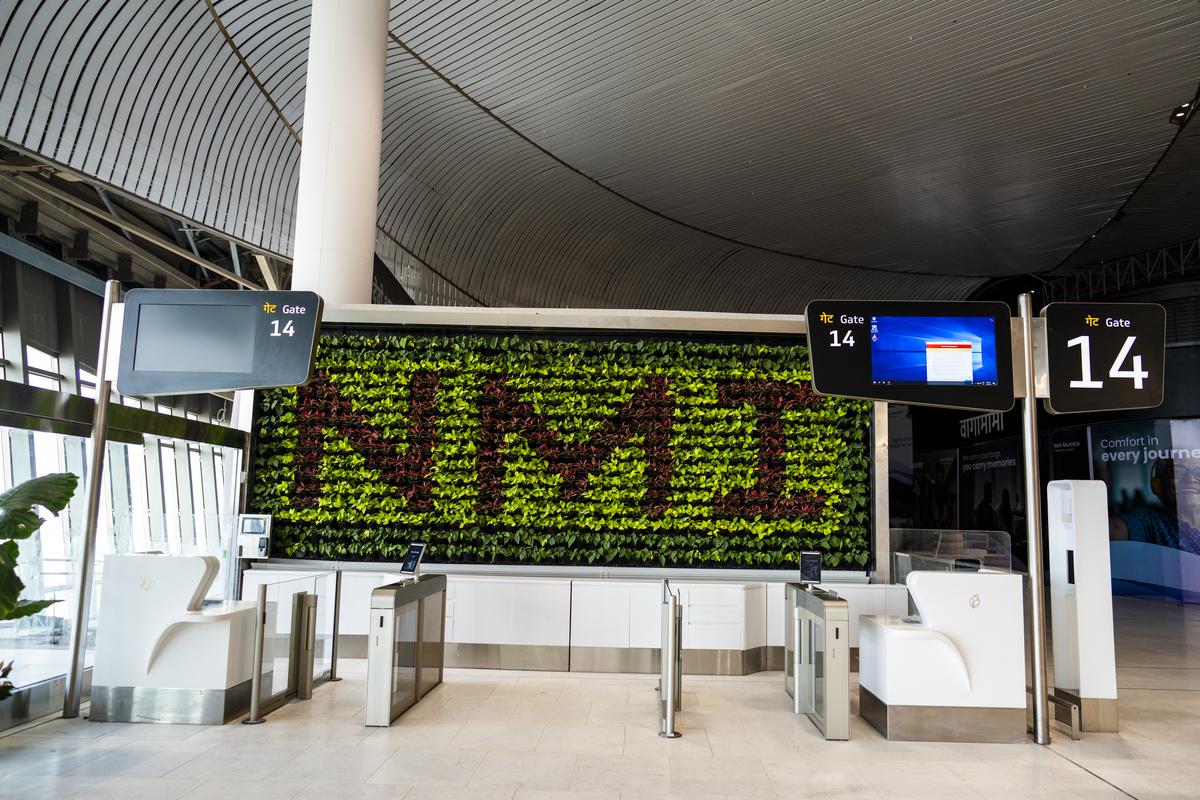
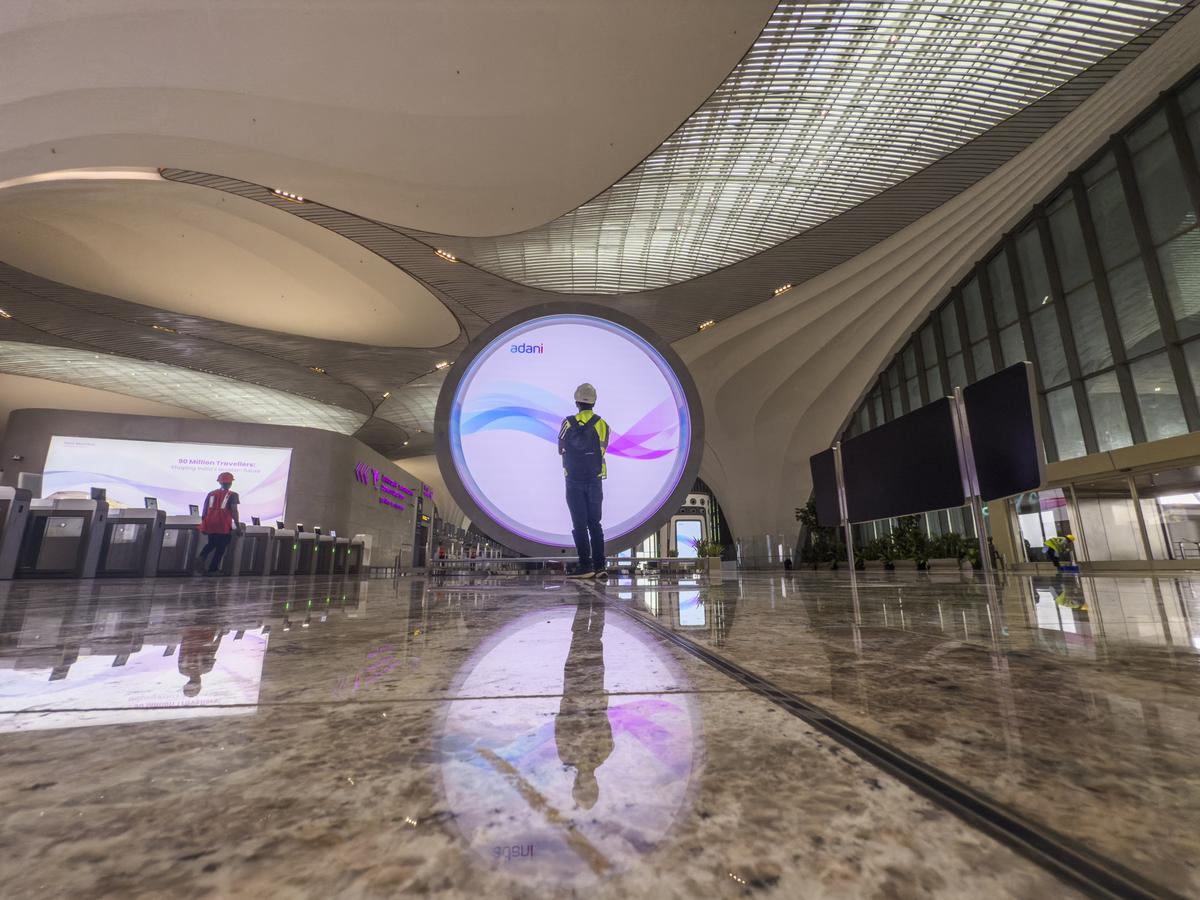
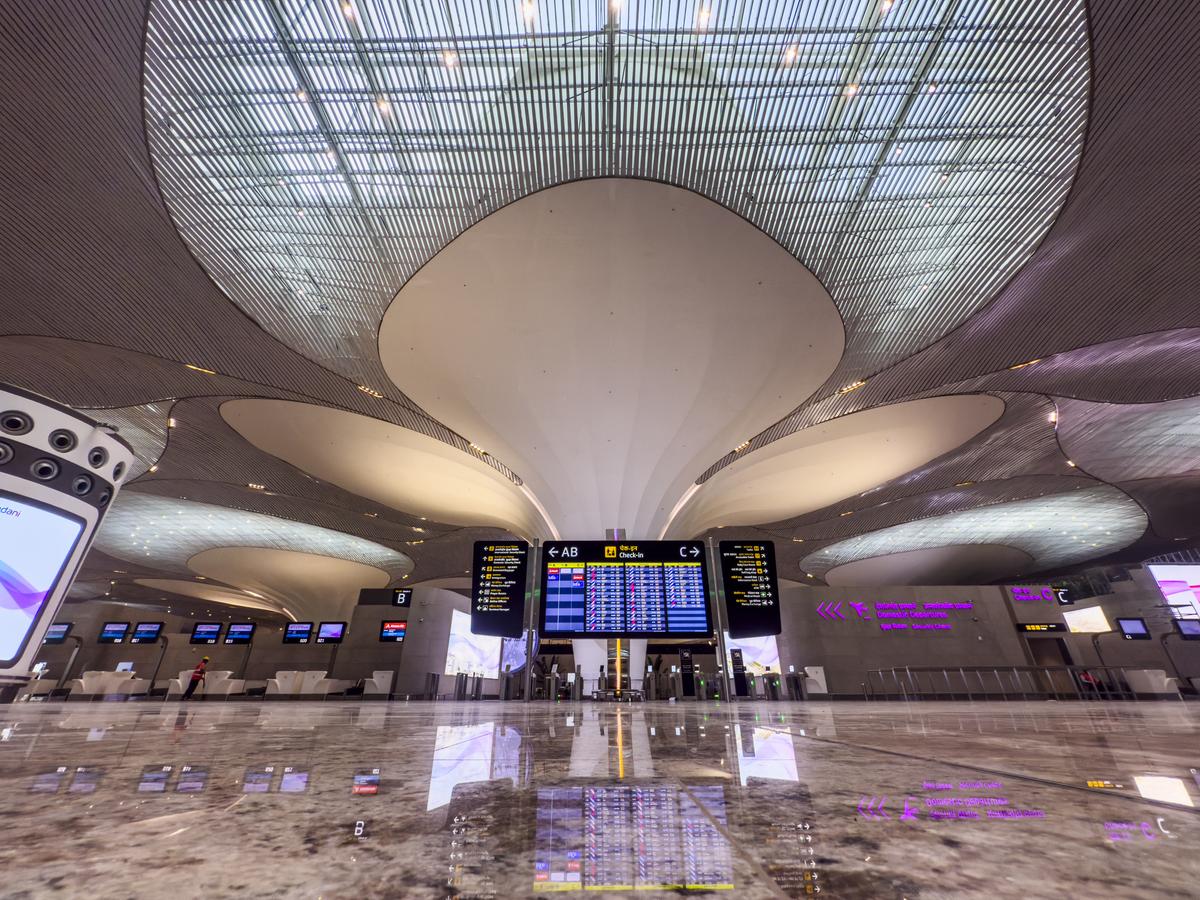
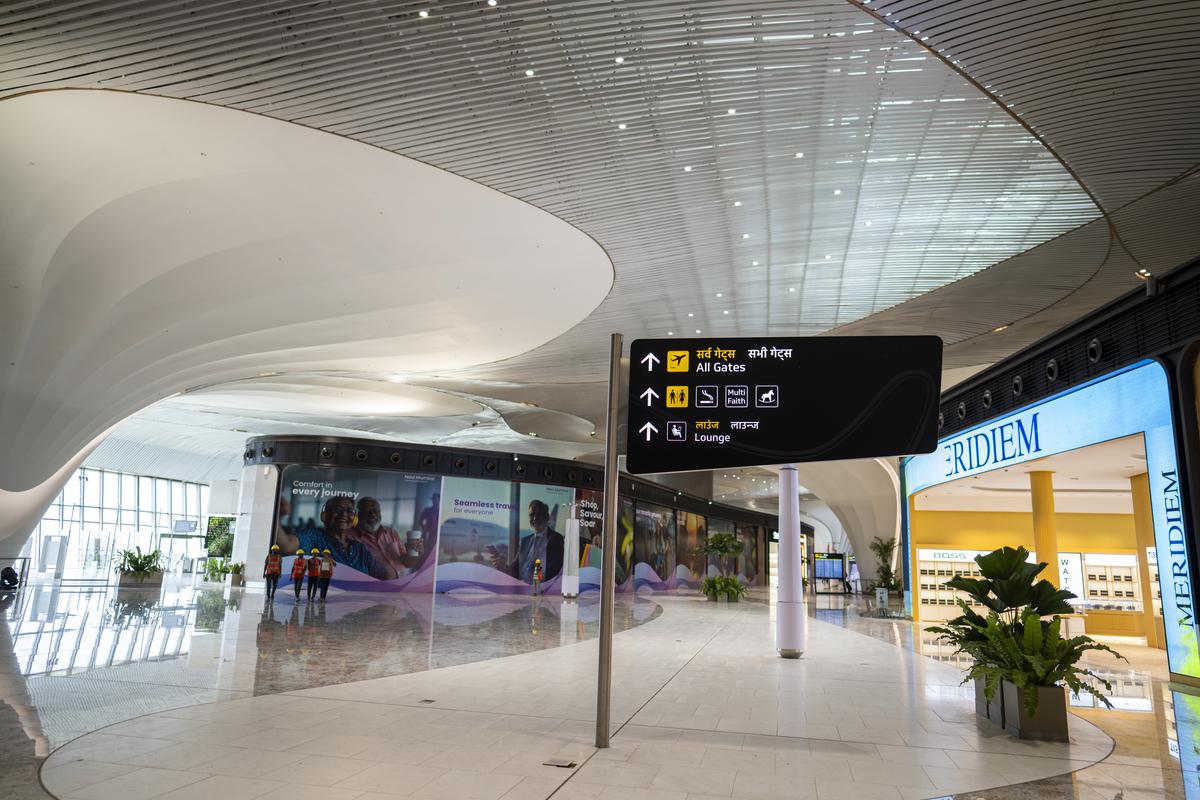
The first phase of the Navi Mumbai International Airport proudly stands as India’s largest Greenfield airport project, a testament to successful Public–Private Partnership (PPP) development. This image captures its expansive scale and modern design. Photo: Special ArrangementStrategically located for optimal connectivity, the airport is just 14 km from the Jawaharlal Nehru Port Trust (JNPT) Sea Port, 22 km from the Maharashtra Industrial Development Corporation (MIDC), 32 km from Thane, and 40 km from Bhiwandi, ensuring ease of access for travelers and cargo alike. Photo: Special ArrangementDrawing inspiration from the elegant lotus flower, the airport’s distinctive architecture features 12 sculptural columns resembling unfurling petals, complemented by 17 massive, yet concealed, pillars that support its iconic lotus-shaped roof canopies. Photo: Special ArrangementEmbracing sustainability, NMIA is designed with eco-friendly features including dedicated storage for Sustainable Aviation Fuel (SAF), an impressive 47 MW solar power generation capacity, and city-wide EV bus services. Notably, it will also be India’s first airport to offer water taxi connectivity, enhancing its unique appeal. Photo: Special ArrangementA highlight of NMIA’s advanced infrastructure is its planned Automated People Mover (APM) system. This transit network will seamlessly connect all four passenger terminals for efficient inter-terminal transfers and integrate with city-side infrastructure, ensuring effortless navigation for travelers. Photo: Special ArrangementPositioned as the Mumbai Metropolitan Region’s second international airport, NMIA is set to complement the Chhatrapati Shivaji Maharaj International Airport (CSMIA). This dual-airport system will alleviate congestion and solidify Mumbai’s status as a global multi-airport hub. Photo: Special ArrangementSpanning a vast 1160 hectares, this airport is engineered for peak efficiency and is projected to handle an annual capacity of 90 million passengers and 3.25 million metric tonnes of cargo upon full completion, making it a pivotal global logistics gateway. Photo: Special ArrangementThe elegant netted structures of the lotus-inspired pillars, a creation of the renowned London-based Zaha Hadid Architects, serve a dual purpose: aesthetic beauty and providing passive cooling to maintain a comfortable environment within the airport. Photo: Special Arrangement