
Legendary Indian cricketer Kapil Dev has made a strong plea to keep politics out of the game, speaking out after a controversial incident at the Asia Cup final. India, having secured a five-wicket victory over Pakistan at the Dubai International Cricket Stadium on September 28, 2025, reportedly refused to accept their winners’ trophy and medals from Pakistan’s Interior Minister, Mohsin Naqvi.
This refusal led to a noticeable delay and a significantly shortened presentation ceremony. Instead of a formal exchange, the Indian squad chose to celebrate their triumph on the field, foregoing the official awards presented by Naqvi, who holds dual roles as head of both the Pakistan Cricket Board (PCB) and the Asian Cricket Council (ACC).
On the field, the match itself was a tale of two halves. Pakistan initially seemed dominant, with Fakhar Zaman and Sahibzada Farhan forging a solid 84-run opening partnership. However, their innings dramatically crumbled, losing nine wickets for a mere 33 runs to be all out for 146 in 19.1 overs. India, despite a shaky start and losing three early wickets, successfully chased down the target.
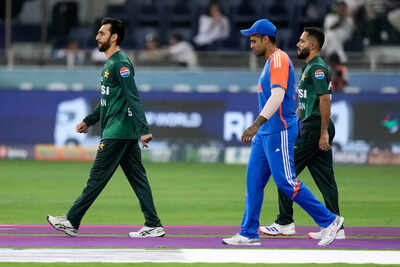
Speaking to India Today, Kapil Dev emphasized the media’s role in focusing on the sport itself: “I just want to say – it’s your responsibility, and the responsibility of the entire media, that we should look into the sports side rather than the politics side. Yes, the media has a role to bring everything to the table, but as a sportsman, I would prefer to see us stick to sports. It would be much better.”
The final’s contentious trophy presentation wasn’t the only drama. Earlier in the Super Four match, Pakistan’s Haris Rauf was fined 30 percent of his match fee for a controversial ‘plane crash’ gesture. Adding to the incidents, Sahibzada Farhan received a warning for his ‘gunshot’ celebration after reaching his half-century, an act he reportedly defended as a cultural expression.
Kapil Dev, the iconic captain who led India to their inaugural World Cup triumph in 1983, also shared his observations on the current pool of Pakistani cricketing talent, contrasting it with the formidable players of past eras.
He stated, “I think they don’t possess the same caliber of talent they showcased in the ’80s, ’90s, or even earlier. Historically, Pakistan has gifted the world some truly exceptional cricketers – names like Imran Khan, Javed Miandad, Zaheer Abbas, Wasim Akram, and Waqar Younis immediately come to mind. They delivered incredible talent. But regrettably, today, we don’t see even a fraction of that similar level of skill.”
Despite the off-field drama, India’s Asia Cup final win was a notable achievement, underscoring their ability to perform under pressure by successfully chasing the target with two balls to spare. This incident, however, has once again cast a spotlight on the persistent difficulties of separating sports from political undertones between India and Pakistan. While these challenges remain, the spirit of cricket and the teams’ athletic accomplishments continue to be the central focus. This match will undoubtedly be remembered not just for India’s triumph, but also for its broader implications in the intricate tapestry of cricket diplomacy and the enduring rivalry between these two passionate cricketing nations.