
In a candid assessment ahead of the highly anticipated Ashes series against England, former Australian cricket stalwart Ian Healy has strongly cautioned national selectors against prematurely reintroducing captain Pat Cummins. Cummins is currently recuperating from a stress fracture in his spine, and Healy emphasizes that risking him could be detrimental.
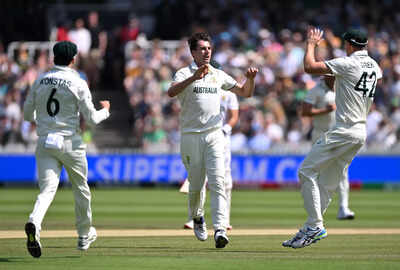
Healy’s warning highlights a critical concern for Australian cricket: a noticeable lack of seasoned fast-bowling replacements. The long-standing, formidable quartet of Cummins, Mitchell Starc, Josh Hazlewood, and Scott Boland, which has dominated for years, has inadvertently created an experience void among the next generation of fast bowlers.
“He will be a massive loss, but we absolutely cannot risk Pat Cummins,” Healy stated on SENQ Breakfast. “He’s a composed, consistently excellent performer, our go-to man who always delivers. He’s a patient, calm, and empowering leader. Scott Boland will naturally step into the attack as the first choice, but if we face another injury, who else is truly ready?”
Despite his concerns about depth, Healy expressed confidence in the remaining established bowlers. “Michael Neser is definitely in contention for any Test match, and I’d personally love to see him get a game. He’s a fantastic team player, someone who fosters great camaraderie. With Starc as our wicket-taker, Nathan Lyon as our reliable spinner, and Hazlewood constantly applying pressure, they can certainly get the job done even without Cummins.”
The 35-year-old Neser is at the top of the list of potential replacements, supported by several promising young talents.
“If Neser is our strongest option available, let’s bring him in; he’s number one,” Healy explained. “Following him is Fergus O’Neill, who impressed with 38 wickets in the Sheffield Shield last year – an outstanding competitor. Third on the list is Xavier Bartlett, a young, rising star who’s been tested at every level, from Australia A to one-day and four-day matches, performing exceptionally well.”
Healy further discussed the inherent difficulties in nurturing young fast bowlers. “Then there’s Jordan Buckingham and Brendan Doggett. I would say our overall depth isn’t immense, but we do have some promising young men emerging. This depth will naturally grow, but the issue stems from having the same four bowlers together for a decade, which effectively skipped an entire generation. With these youngsters, while you want to give them as much cricket as possible, they’re more susceptible to injury and face a huge leap in intensity when called upon.”
Ultimately, the national selectors face a challenging decision: choosing from a pool of players, most of whom lack significant international experience, to fill crucial fast-bowling spots for the impending Ashes series.