Why Concert Tickets Cost So Much in 2026: The Real Reasons
Introduction
Streaming a song costs a fraction of a cent. Seeing that same artist live can now cost hundreds of dollars, and for the biggest tours, well over a thousand for a good seat. That gap has grown wider every year since streaming took over as the dominant way people consume music, and 2026 is shaping up to be another record year for both. Here's a clear look at why concert tickets have gotten so expensive, and why the trend doesn't look like it's reversing anytime soon.
Table of Contents
- The Numbers: How Expensive Have Tickets Actually Gotten?
- The Core Reason: Streaming Broke the Old Business Model
- Scarcity, Demand, and Why Tickets Aren't Like Streams
- The Rise of Dynamic Pricing
- VIP Packages and the Premium Experience Economy
- Is Demand Actually Slowing Down?
- New Formats Chasing Fan Dollars
- Live Music by the Numbers: A Snapshot
- Case Studies
- Common Misconceptions About Rising Ticket Prices
- Actionable Tips for Fans on a Budget
- FAQs
- Conclusion
- Key Takeaways
The Numbers: How Expensive Have Tickets Actually Gotten?
The scale of the increase is stark. In the mid-1980s, a major concert ticket typically cost between $12 and $15. By 2026, premium tickets for the world's biggest tours regularly exceed $500, with VIP packages stretching beyond $1,000 — an increase that has significantly outpaced general inflation over the same period.
More recent data tells the same story on a shorter timeline. The average ticket price for a top-100 global tour was $136 in 2024, up 50% from an average of $91 back in 2019. Broader averages point to a similar trend: the average US concert ticket price reached $144 in 2025, a 31% increase over just five years. Across many markets, ticket prices are now running 20 to 30% above 2019 levels.
The Core Reason: Streaming Broke the Old Business Model
The most consistent explanation offered across music industry analysis is that streaming fundamentally flipped the economics of how musicians make money. Before streaming, physical album and single sales were a primary revenue source for most artists. Streaming replaced that model with per-stream payouts so small that, for the vast majority of artists outside the very top tier, streaming alone is now widely described as an increasingly difficult path to meaningful income.
That shift has pushed touring, merchandise, sync licensing, and direct-to-fan revenue from being supplementary income into becoming essential, primary sources of earnings for most working musicians. Global recorded music revenue reached approximately $31 billion in 2025, with streaming accounting for over 67% of that — but growth in that category has decelerated into single digits for major markets, partly because the number of tracks uploaded to streaming platforms is growing faster than actual listening hours, meaning more music is competing for a similarly sized pool of revenue.
Scarcity, Demand, and Why Tickets Aren't Like Streams
There's a structural reason ticket prices can rise the way streaming payouts can't: scarcity. A song streamed a million times costs essentially nothing extra to deliver the millionth time. A concert has a fixed number of seats in a specific building on a specific night — once it sells out, there's no way to serve additional demand at the same price point, which gives promoters and artists real pricing power that streaming, by its nature, doesn't offer.
Music industry analysts commonly point to this distinction directly: because concert tickets are a genuinely scarce resource, unlike streaming, it's allowed prices to rise rapidly even as overall consumer spending on entertainment faces other pressures.
The Rise of Dynamic Pricing
Dynamic pricing — adjusting ticket prices in something close to real time based on demand, similar to how airline tickets or ride-share fares work — has become an increasingly visible part of the ticketing landscape. It remains one of the most controversial pieces of the modern concert economy, since it can mean prices climb sharply for high-demand shows shortly after they go on sale, catching fans off guard.
Industry commentary for 2026 suggests promoters are being pushed toward pricing more carefully going forward, partly because a few high-profile instances of significantly overpriced or overestimated-demand shows have become embarrassing, widely publicized cautionary tales — evidence, some argue, that ticket prices may be approaching a ceiling in certain markets, even if the broader upward trend continues elsewhere.
VIP Packages and the Premium Experience Economy
Alongside standard ticket price increases, the premium end of the market has expanded significantly. VIP packages — meet-and-greets, exclusive merchandise bundles, upgraded seating and amenities — now regularly command four-figure sums for top-tier tours. Industry analysis describes this directly as evidence of real pricing power: a meaningful segment of fans is willing to pay substantially more for enhanced access, and artists and venues have adjusted their offerings accordingly.
This mirrors a broader trend in physical music formats too — even as streaming remains dominant and cheap, labels and licensing companies have introduced audiophile vinyl products priced well over $100, turning records and specialty physical formats into a genuine part of the merchandise business for some acts rather than a mainstream listening format.
Is Demand Actually Slowing Down?
Despite the price increases, demand has largely held up. Reporting from summer 2026 indicates concert ticket sales are up 11% for the year, with major ticketing companies reporting cancellation rates below 1% of scheduled shows — in line with a normal touring year rather than any sign of demand collapse. Goldman Sachs analysts have projected live music demand to grow at a 7.2% compound annual growth rate between 2024 and 2030, suggesting the current pricing environment, however uncomfortable for individual fans, hasn't yet meaningfully dented overall industry demand.
That said, there are signs fans are adjusting behavior rather than simply absorbing costs outright — being more selective about which shows they attend, and increasingly seeking formats that feel like better value for the higher price point.
New Formats Chasing Fan Dollars
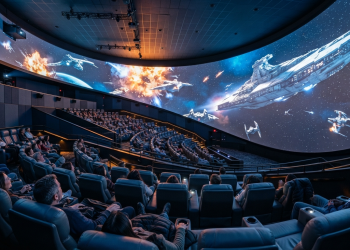
Search and attendance data for 2026 point to genuine growth in newer live music formats beyond the traditional arena or stadium show. Immersive dome-format venues have seen sharp search growth, alongside smaller-scale, intimate formats like candlelit string quartet concerts. Festival demand remains strong as well, with certain destination festivals seeing significant year-over-year search growth, reflecting a live music landscape that's diversifying beyond the traditional single-artist arena tour model.
Live Music by the Numbers: A Snapshot
| Metric | Figure |
|---|---|
| Global live music revenue, 2026 (projected) | Over $35 billion |
| Average US concert ticket price, 2025 | $144 (up 31% over 5 years) |
| Average top-100 tour ticket price, 2024 | $136 (up 50% from $91 in 2019) |
| Premium ticket prices for top tours, 2026 | Regularly exceeding $500 |
| Global recorded music revenue, 2025 | ~$31 billion (streaming = 67%+) |
| Live music share of total music industry revenue | ~50%, growing ~9.1% annually |
| 2026 concert ticket sales growth | Up 11% year-over-year |
Case Studies
The Eras Tour effect: High-profile mega-tours have demonstrated just how much demand exists at the very top of the market — extraordinary ticket sales volumes at premium price points have shown promoters and artists alike that pricing power at the top tier remains largely untested in terms of a real ceiling.
Immersive venue growth: The rise of dome-format venues and similar immersive concert experiences illustrates how some of the live music industry's growth is coming not just from higher prices at traditional venues, but from entirely new formats fans are willing to pay a premium to experience.
Overpriced show backlash: Industry commentary points to specific instances in 2026 where major artists' teams significantly overestimated demand or overpriced tickets, resulting in visible backlash and unsold inventory — a signal some analysts view as early evidence that certain segments of the pricing curve may be nearing their practical limits.
Common Misconceptions About Rising Ticket Prices
- "Artists are just getting greedy." The more consistent industry explanation is structural: streaming's low per-play payouts have made touring an economic necessity rather than a discretionary revenue stream for most working musicians.
- "Ticketmaster and Live Nation are solely responsible for all price increases." While ticketing fees and market concentration are genuine, widely discussed concerns, base ticket prices themselves are also being driven by underlying demand economics and the scarcity of live event capacity.
- "Prices will keep rising indefinitely with no pushback." 2026 has already seen visible instances of overpriced shows facing public backlash, and some industry voices see this as early evidence that pricing has limits in certain markets.
-
"Streaming revenue and touring revenue are basically equivalent for artists." They're not — for the large majority of artists outside the top tier, touring, merchandise, and direct-to-fan revenue have become far more essential to actual income than streaming royalties.
Actionable Tips for Fans on a Budget
-
Look into newer, smaller-format live music experiences (immersive venues, intimate acoustic shows) which can offer strong value relative to major arena tours.
- Check for regional or state-level ticket fee transparency laws, since some jurisdictions now require sellers to disclose all fees at checkout, which can help with accurate budgeting.
- Consider festival passes over individual show tickets if you follow multiple artists, since festival economics can sometimes offer better per-artist value.
- Be cautious with dynamic pricing on high-demand on-sales; prices can shift quickly, so decide your budget ceiling in advance.
- Watch for secondary-market pricing carefully, since resale prices can vary dramatically and don't always reflect the ticket's actual face value.
FAQs
1. Why have concert ticket prices increased so much recently?
The most consistent explanation is that streaming's low per-play payouts have made touring an economic necessity for artist income, combined with the fact that live tickets are a genuinely scarce resource, unlike streams, which gives promoters real pricing power.
2. What is the average concert ticket price in 2026?
Recent data puts the average US concert ticket price at $144 as of 2025, a 31% increase over five years, with premium tickets for top tours now regularly exceeding $500.
3. Is concert demand actually slowing down despite higher prices?
Not significantly as of 2026 — ticket sales are reportedly up 11% year-over-year, with cancellation rates remaining low and in line with a typical touring year.
4. What is dynamic ticket pricing?
It's a pricing model that adjusts ticket costs based on real-time demand, similar to airline or ride-share pricing, and has become an increasingly common but controversial part of major concert on-sales.
5. Are artists making more money from touring than streaming now?
For most artists outside the top tier, yes — touring, merchandise, and direct-to-fan revenue have become significantly more essential to overall income than streaming royalties, given how low per-stream payouts remain.
6. Is Live Nation or Ticketmaster to blame for high ticket prices?
Ticketing fees and market concentration are real, widely discussed factors, but base ticket price increases are also driven by broader demand economics and live event scarcity, not fees alone.
7. Will concert ticket prices go down in the future?
Some 2026 industry commentary points to early signs of pricing limits after a few high-profile overpriced shows faced backlash, but the broader multi-year trend has consistently pointed upward.
8. How big is the live music industry in 2026?
Global live music revenue is projected to exceed $35 billion in 2026, with live performances now accounting for roughly half of total music industry revenue.
9. Why are VIP packages so expensive now?
Industry data shows a meaningful segment of fans is willing to pay significantly more for enhanced access, meet-and-greets, and exclusive experiences, giving artists and promoters real pricing power at the premium end of the market.
10. Are there cheaper ways to enjoy live music in 2026?
Newer formats like intimate acoustic shows, smaller immersive venues, and festival passes are gaining popularity and can offer better relative value than major arena or stadium tours.
Conclusion
The gap between what streaming pays and what live music costs has never been wider, and 2026's data shows no clear sign of that gap closing. Streaming reshaped how artists earn money, pushing touring from a nice-to-have into a financial necessity, and scarcity has given the live music market genuine pricing power streaming simply doesn't have. Demand, for now, is absorbing the higher prices — but the early instances of visible backlash against overpriced shows suggest even this market has limits, even if nobody's entirely sure yet where they are.
Key Takeaways
- Average concert ticket prices have risen 31% over five years, with premium tickets for top tours now regularly exceeding $500.
- Streaming's low per-play payouts have pushed touring from supplementary income into an economic necessity for most working artists.
- Concert tickets, unlike streams, are a genuinely scarce resource, giving promoters real pricing power as demand remains strong.
- 2026 concert ticket sales are up 11% year-over-year, with cancellation rates low, suggesting demand hasn't meaningfully declined despite pricing pressure.
- New formats — immersive venues, intimate shows, and festivals — are emerging as fans seek better perceived value amid rising costs.