
NEW DELHI: Renowned fast bowler Shoaib Akhtar held nothing back in his fiery critique following Pakistan’s disheartening loss to India in the Asia Cup 2025 final. He launched a scathing attack on the team’s management, captain Salman Ali Agha, coach Mike Hesson, and the Pakistan Cricket Board (PCB).
Akhtar pointed to what he perceives as fundamental flaws within Pakistan cricket, arguing that these issues have stripped the team of its natural aggression and fighting spirit.
“They want polite kids now, who will go home by 8 PM curfew. The cricket board wants helpless, submissive individuals like them. They don’t want strong personalities. This is a direct reflection of the PCB’s policies,” Akhtar declared on ARY News, delivering his trademark blunt assessment.
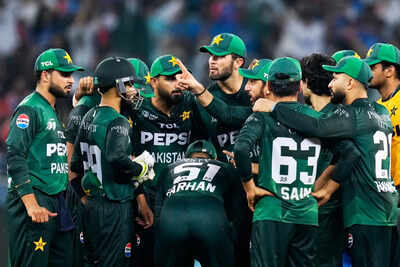
The former speedster slammed Captain Salman Agha for his perceived lack of inspiration, stating, “Where will the attitude come from when the captain isn’t inspiring? The captain mirrors the board’s choices.” He further criticized coach Mike Hesson for continually relying on “half-baked all-rounders” instead of nurturing proven match-winners like Hasan Nawaz.
“It’s senseless and headless-chicken management,” Akhtar added. “The team combinations were all wrong, the captaincy was off, and they simply weren’t willing to listen to us.”
With a touch of dark humor, Akhtar lamented the decline of Pakistan’s once-feared fast-bowling legacy, attributing it to a shift towards “obedient kids” who are easier to control. He believes the PCB actively discourages strong, independent personalities within the team.
Reflecting on his own career, Akhtar explained why he has avoided cricket administration since retiring: “From day one after my retirement, I decided I would never join the PCB, as anyone who goes there never leaves with respect. I prefer to work in television, earn my money, and stay out of it. These people don’t want strong personalities.”
Akhtar’s breakdown of the Asia Cup final loss highlighted several critical strategic blunders, including the controversial decision to drop Hasan Nawaz, questionable bowling changes, and a fragile middle-order batting lineup. He singled out the choice to give Haris Rauf the final over, which ultimately conceded 17 runs, calling it a “major mistake.”
He also put forward comprehensive reforms for the PCB, emphasizing the urgent need for robust grassroots development programs, stronger regional teams, and a revitalized PSL 2.0 to cultivate young talent. He contrasted this vision with India’s seemingly well-structured domestic cricket pathway.
“Today it’s Mohsin Naqvi, next time some other sahib will come,” Akhtar remarked. “Unless you bring in a visionary, educated man… history will truly remember if you initiate this change.”
For Shoaib Akhtar, the Asia Cup 2025 final was more than just a defeat; it symbolized the deep-seated failures of a system that, in his eyes, prioritizes compliancy over genuine cricketing prowess and passion.