
The highly anticipated Asia Cup 2025 final between India and Pakistan is set for an unusual start, even before the first ball is bowled. In a surprising arrangement, two separate broadcasting teams will conduct the pre-match coin toss.
Former Indian coach Ravi Shastri is slated to interview the Indian captain, while legendary ex-Pakistan skipper Waqar Younis will speak with Pakistan’s leader. This dual-interviewer protocol is also expected to extend to the post-match presentation, adding another intriguing layer to one of cricket’s most intense rivalries.
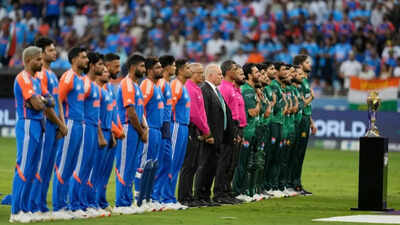
This development unfolds as Pakistan cricket faces mounting criticism, not only for their struggles on the field but also for their controversial media management. Their performance in batting, bowling, and fielding has already been scrutinized, and now their communication strategy has become a new point of contention.
It’s standard practice for captains to address the media, regardless of match outcomes. However, Pakistan’s repeated evasion of questions from Indian journalists has raised significant concerns.
The controversy first surfaced on September 14, following India’s seven-wicket victory in the group stage. Pakistan’s captain notably skipped the mandatory post-match press conference, with coach Mike Hesson stepping in to answer questions instead. Later, before their match against the UAE, captain Salman Agha entirely canceled his scheduled media interaction.
When India secured another win against Pakistan in the Super Four stage, Salman Agha did attend the press conference, but Indian journalists found themselves intentionally restricted, unable to ask questions as microphones were selectively controlled. This heavily criticized, one-sided media approach prompted a vague response from PCB chief Mohsin Naqvi, who merely stated, “We will talk soon.”
In stark contrast, Indian players have consistently addressed challenging questions directly. When T20I captain Suryakumar Yadav was queried about a recent handshake controversy, he responded with refreshing honesty and confidence, demonstrating an open and transparent communication style, unlike the Pakistani team’s avoidance.