
A long-standing debate about the Board of Control for Cricket in India’s (BCCI) far-reaching influence in global cricket has been reignited, thanks to former India coach Greg Chappell. He has publicly supported ex-ICC match referee Chris Broad’s assertions that Indian administrators have historically used their power to sway decisions and outcomes within the sport.
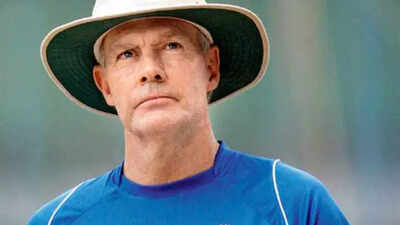
In a revealing interview with the Sydney Morning Herald, Chappell recounted a striking incident from 2005, shortly after he began his coaching tenure. He stated that former BCCI and International Cricket Council (ICC) chief Jagmohan Dalmiya had offered to intervene and lessen Sourav Ganguly’s suspension. Chappell’s response was firm: “I said no, I don’t want to rot the system; he has to do his time. Dalmiya seemed okay for him to miss.” This episode reportedly took place just before India’s tri-series in Sri Lanka that year, a period notoriously remembered for Ganguly’s eventual removal from the team and a very public disagreement between the player and coach.
Chappell’s account bolsters Chris Broad’s earlier explosive claims made to The Telegraph (London). Broad, a former England cricketer and ICC match referee, alleged that he received a phone call instructing him to “be lenient” on the Indian team, then captained by Ganguly, regarding a slow over-rate offense. “I got a phone call saying, ‘be lenient, find some time because it’s India.’ So we had to find time and bring it down below the threshold,” Broad explained. He added that in the very next game, he was told, “just do him,” suggesting political directives influenced decisions. Broad concluded, “There were politics involved right from the start.”
These combined revelations highlight significant concerns about political interference potentially undermining the integrity of cricket’s disciplinary and judicial processes. Broad didn’t shy away from connecting these incidents to India’s considerable financial power within the sport, stating that this economic clout has effectively granted them substantial control over the ICC.
He asserted, “India got all the money and have now taken over the ICC. It’s a much more political position now than it ever has been.” These statements paint a stark picture of how financial might can translate into administrative control and influence over the global game.