
Nagpur, according to a recent extensive study by India Meteorological Department (IMD) scientists, stands out as Maharashtra’s most susceptible district to hailstorms. This groundbreaking research, titled ‘Hailstorm Climatology over Maharashtra with Associated Impacts and Risk Assessment,’ was published on September 19, 2025, and meticulously analyzed three decades of weather data from 1991 to 2020. The study was collaboratively authored by Shambu Ravindren and Sushma Nair from the Regional Meteorological Centre, Mumbai, and Soma Sen Roy from IMD Headquarters, New Delhi.
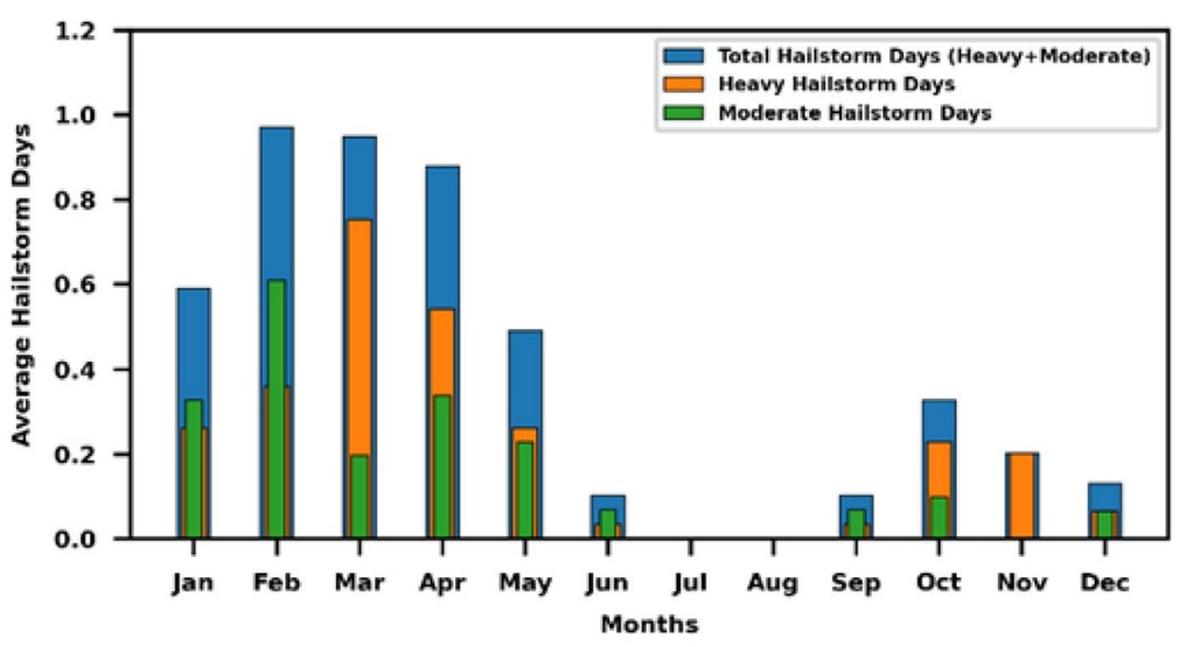
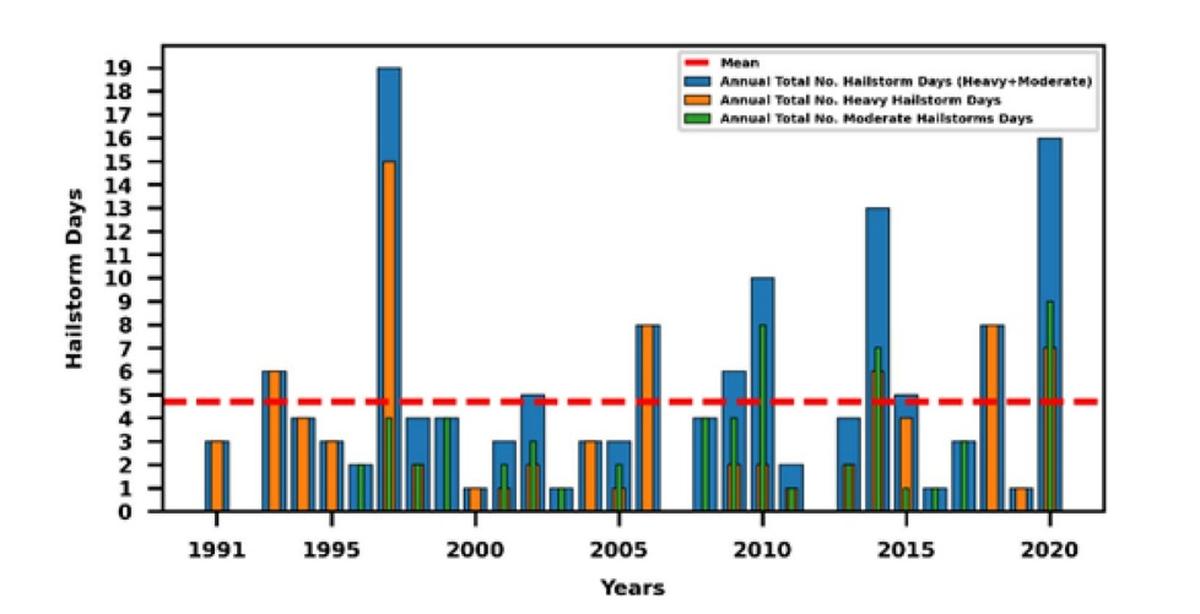
Their in-depth district-by-district examination of hailstorm events, their severity, and the subsequent devastation across Maharashtra revealed some striking trends. Out of 142 documented hailstorm days, 58% were categorized as ‘heavy’ and 42% as ‘moderate’. A notable shift was observed: while intense hailstorms were more prevalent in the earlier part of the study, moderate events have increased in frequency in recent years. February consistently showed the highest hailstorm activity, with March and April close behind.
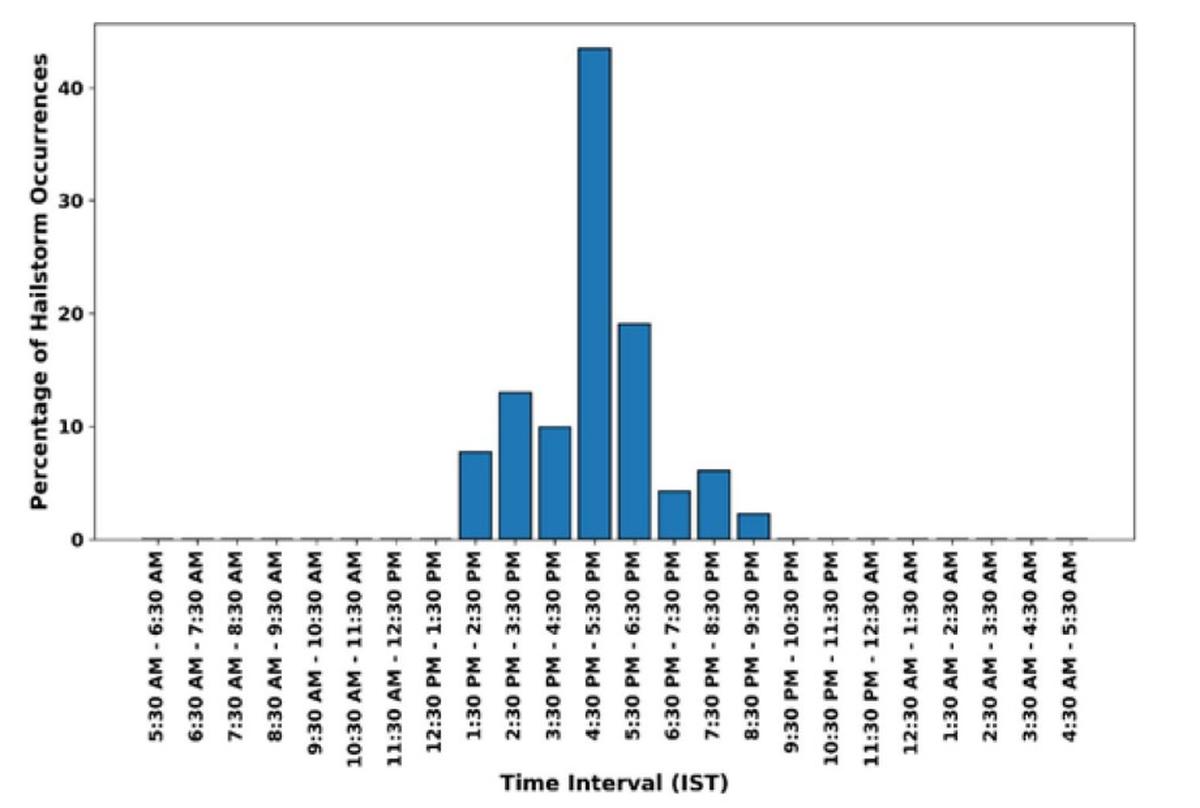
A clear daily rhythm of hailstorm activity was also uncovered. Almost 40% of incidents occurred between 4:30 p.m. and 5:30 p.m., with an additional 20% between 5:30 p.m. and 6:30 p.m. This peak coincides dangerously with times when farmers and their livestock are most likely to be outside, significantly increasing the potential for fatalities and injuries. While the average hailstorm lasted 10 minutes, some intense events stretched for up to an hour, prolonging the danger to both lives and property.
Employing the 2014 framework from the Intergovernmental Panel on Climate Change (IPCC), the researchers developed a Normalized Vulnerability Index (NVI) and a Risk Score for each district. These metrics incorporated critical exposure factors like agricultural land area and population density.
IMD scientist Sushma Nair highlighted that “Nagpur was the sole district to fall into the ‘Very High Risk’ category.” The authors pointed out a significant divergence in risk profiles between Nagpur and Nashik, despite both being deemed highly vulnerable.
Nair elaborated that Nagpur’s elevated sensitivity, influenced by socio-economic elements like sustained impacts and a substantial population living below the poverty line, combined with a constrained capacity to adapt, positions it at the peak of the risk spectrum. In contrast, Nashik’s minimal exposure to hailstorms significantly reduces its overall risk, placing it comfortably in the ‘Low Risk’ bracket.
Moreover, the study pinpointed a statistically significant increase in hailstorm frequency across a continuous stretch of Marathwada, encompassing Jalna, Parbhani, Hingoli, and Nanded districts, as well as in South-Central Maharashtra, including Satara and Sangli. IMD scientist Shambu Ravindren emphasized that “These discoveries are vital for effective disaster preparedness and strategic resource allocation, particularly in areas experiencing heightened hailstorm activity.”
Analyzing the impact, the agricultural sector bore the brunt of the damage, representing 50.9% of all reported losses. Structural damage constituted 13.3%, while human casualties (fatalities and injuries combined) accounted for 15.5%. Livestock losses due to death and injury were 6.4%, bird deaths 3.2%, and other widespread disruptions—such as fallen trees, compromised electrical infrastructure, and interruptions to vital services—made up the remaining 10.9% of total damage.
Although severe hailstorms were primarily responsible for most human casualties and structural devastation, moderate hailstorms proved almost equally destructive to agricultural land and infrastructure, particularly when occurring frequently. The study’s authors stress that moderate hailstorms should not be underestimated, given their potential for persistent and extensive impact, which can result in significant losses. Notably, 2020, a year with 16 recorded hailstorm days, registered the highest total damage at 12.03%, with moderate hailstorms causing more destruction than their heavy counterparts.
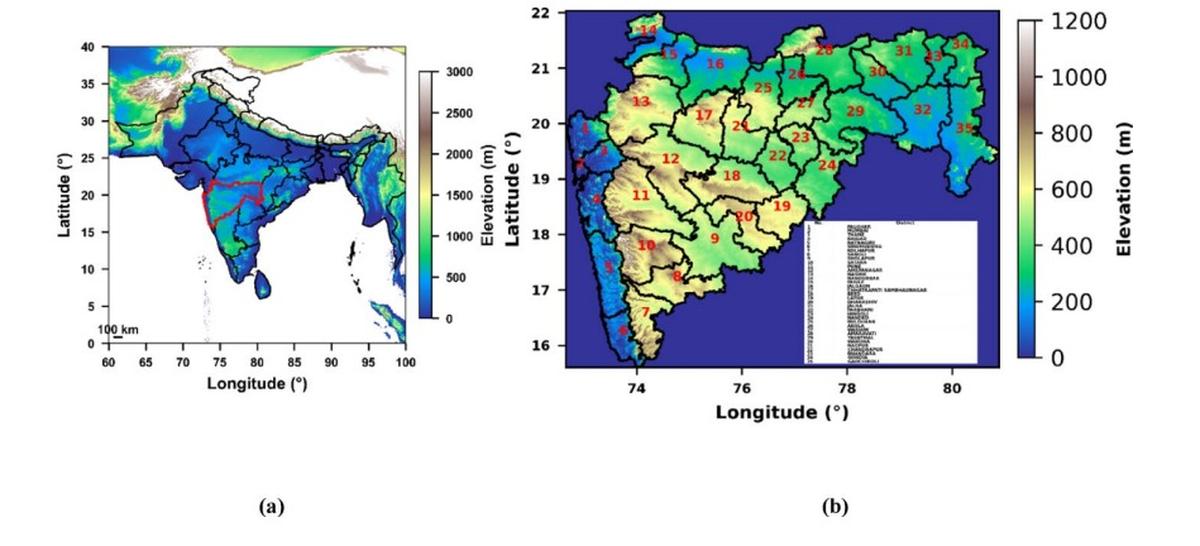
The study further illuminated significant regional differences in damage patterns. Akola, for example, sustained greater cumulative damage than Nagpur, even with fewer hailstorm days, emphasizing how population density and economic factors influence the severity of impact. Likewise, Nashik and Pune, despite experiencing fairly regular hailstorms, reported less overall damage compared to Vidarbha districts, suggesting the protective role of their socio-economic and infrastructural advantages.
The authors strongly advocate for tailored disaster preparedness strategies for each region, including robust early warning systems, comprehensive crop insurance, resilient infrastructure, and diversified livelihoods. Ms. Nair underscored this, stating, “A multi-faceted approach to disaster management is absolutely vital to protect communities and build resilience in Maharashtra’s hailstorm-vulnerable areas. This research clearly showcases the extensive societal impact of hailstorms and the critical need to combine data on vulnerability, exposure, and hazards to shape effective policies and planning.”