
Mahmoud Khalil, a dedicated pro-Palestinian activist and legal U.S. resident, recently appeared before a federal appeals court in Philadelphia. He is fighting a deportation case initiated by the Trump administration in response to his activism at Columbia University. This critical legal battle highlights fundamental questions about First Amendment protections and civil liberties in the context of political dissent.
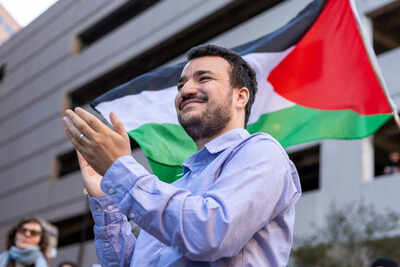
The hearing before the United States Court of Appeals for the Third Circuit is a direct response to the federal government’s attempt to overturn a lower court order. This previous order had granted Khalil’s release from an immigration detention facility in Louisiana back in June, effectively preventing authorities from re-detaining him and continuing deportation proceedings.
Arguments Over Jurisdiction
Khalil’s legal team pressed the three-judge panel to affirm the district court’s decision, framing the entire case as a vital defense of civil liberties and constitutional rights.
Conversely, Drew Ensign, an attorney representing the government, argued that the lower court judge had overstepped his authority. According to the Associated Press, Ensign stated in court, “All of this is being conducted in an improper forum. So that should be a full stop.” He maintained that the matter rightfully belongs with the immigration judge in Louisiana, where an appeal is still pending.
The Unfolding Legal Landscape
The heart of the dispute lies in an earlier determination by an immigration judge that suggested Khalil could be deported. However, this finding is currently under review by a separate appellate board. The uncertain outcome leaves Khalil’s legal status precarious and casts a shadow over his future ability to continue his important advocacy work.
Advocacy Amid Personal Stakes
For Khalil, who is married to an American citizen, the consequences are deeply personal. Despite the ongoing legal challenges, he has publicly committed to continuing his advocacy for Palestinians. A magistrate judge recently granted him permission to travel nationwide for various rallies and public speaking engagements.
After the recent hearing, Khalil passionately addressed his supporters, as reported by the Associated Press, emphasizing the broader implications of his case: “This case is about every single person in this country, whether they’re citizens or not. It’s about their freedom of speech and their ability to dissent and their ability to speak up, especially about Palestine and the genocide that’s happening.”
A Precedent-Setting Crackdown
Mahmoud Khalil holds a somber distinction as the first individual arrested under the Trump administration’s broad initiative to deport student activists, academics, and others involved in pro-Palestinian protests. The government has frequently labeled such activism as antisemitic, a charge Khalil has consistently and vehemently denied.
Broader Implications for Free Speech
This case stands at a critical juncture where immigration enforcement intersects with First Amendment rights. It compels a re-examination of the boundaries of government authority in regulating both speech and activism. For legal scholars and civil liberties advocates, the eventual ruling could establish a significant precedent, impacting a wide array of activists whose voices challenge established political narratives across the nation.