
The Horticulture Department of Karnataka is cultivating a magnificent botanical park in Doddasaggere, Tumakuru district. Designed with inspiration from Bengaluru’s iconic Lal Bagh, this sprawling garden has already witnessed a remarkable surge in its diverse plant and animal species.
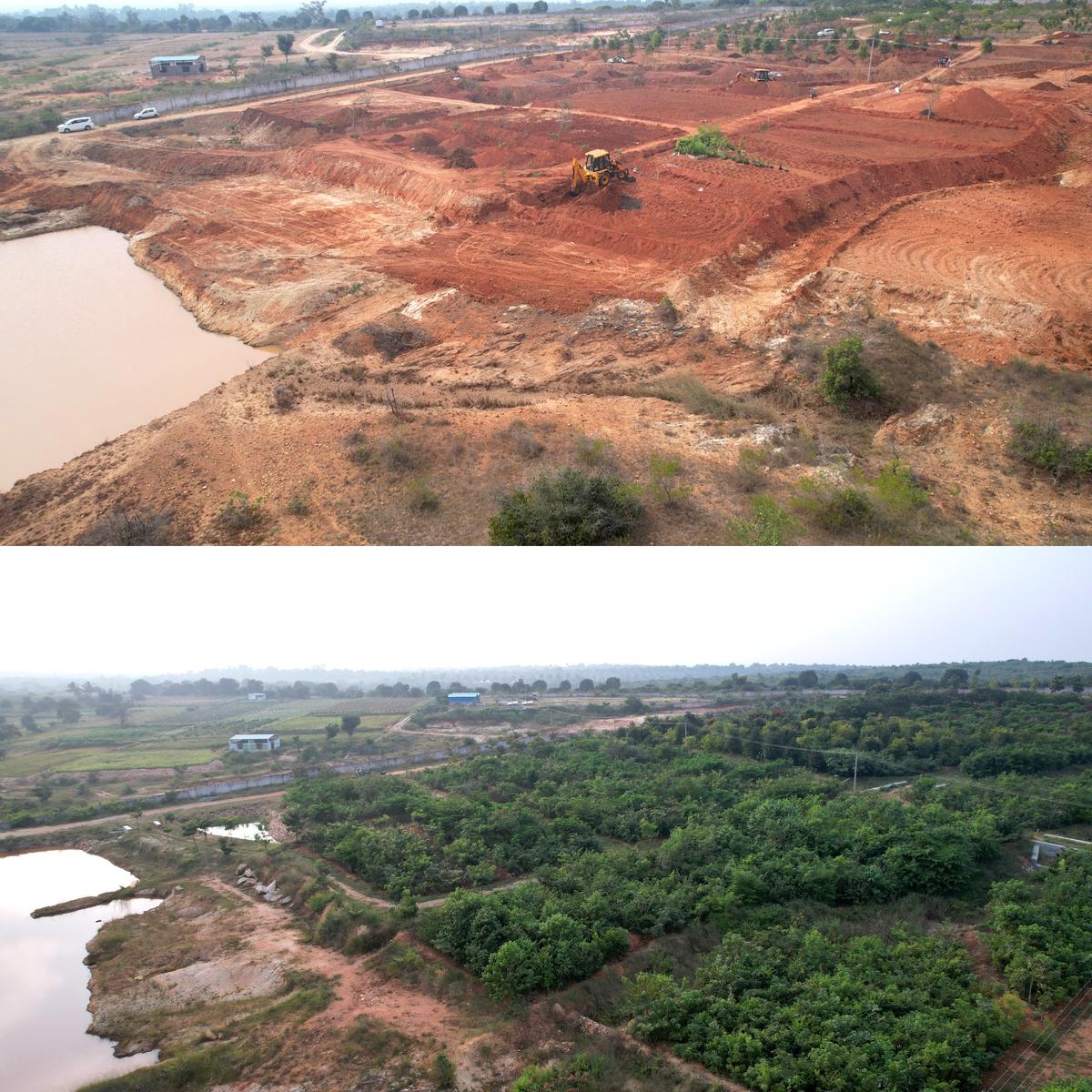
Before and after pictures of the region where the botanical park is being developed in Tumakuru district of Karnataka. | Photo Credit: Special Arrangement
A recent Avifauna Survey, conducted in March 2025, revealed an impressive increase in birdlife at the Doddasaggere Botanical Garden. The count rose from just 35 species in 2021 to a remarkable 75, including two species categorized as near-threatened, one vulnerable species, and five captivating long-distance winter migrants.
A Flourishing Green Canopy
Envisioned across 228 acres, the Doddasaggere Botanical Garden is set to become Karnataka’s second-largest botanical garden, surpassed only by Bengaluru’s renowned Lal Bagh, and ranking as the third-largest nationwide. M. Jagadeesh, Joint Director of Horticulture (Parks & Gardens) at Lalbagh, highlighted the garden’s expansive vision.
Already, 120 acres of the park have been developed. A significant afforestation initiative, spearheaded in partnership with IT services company Mphasis and the non-profit United Way of Bengaluru, saw 100,000 saplings from 77 native tree species planted across 14 acres. This effort aims to meticulously recreate a vibrant, dense dry deciduous forest ecosystem.
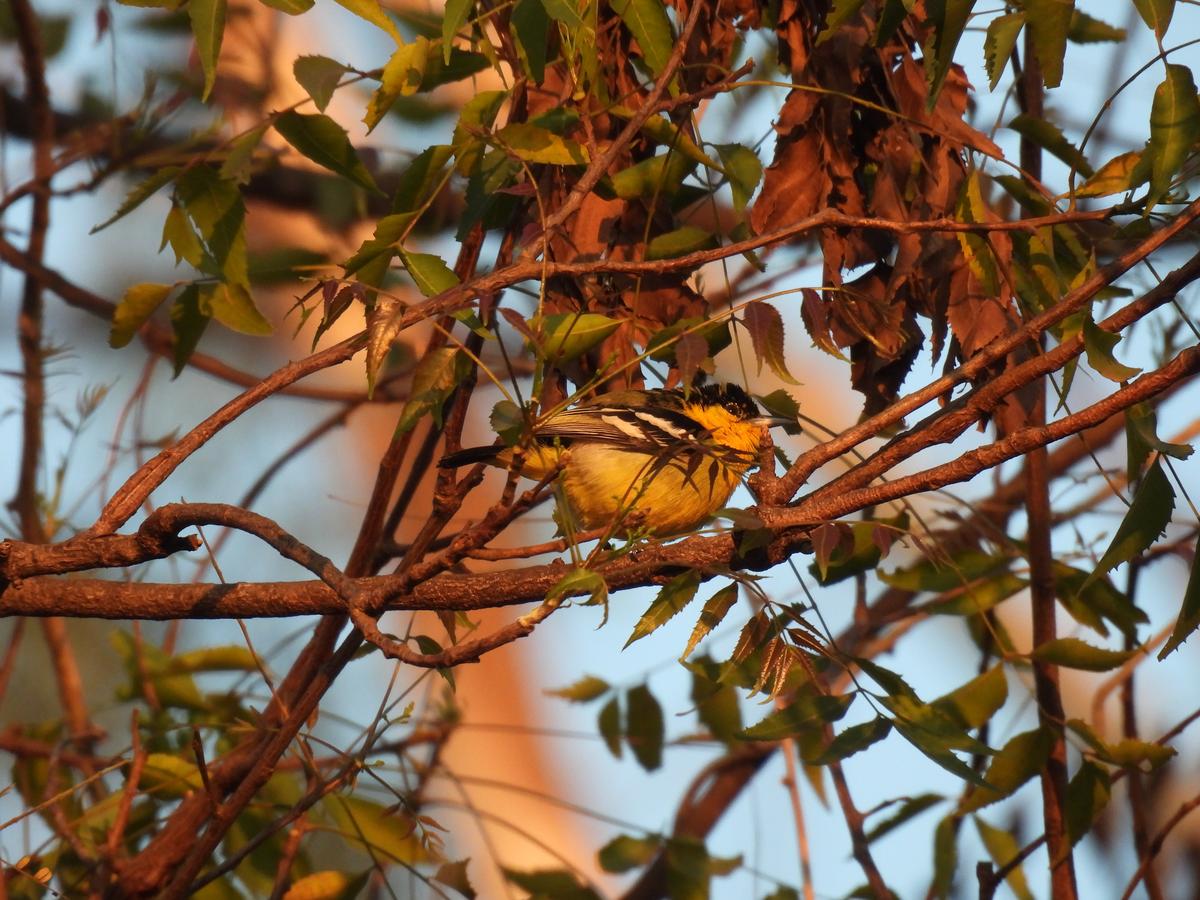
The species sighted in Doddasaggere Botanical Garden include Pallid Harrier, Asian Woolly Neck, River Tern, Booted Warbler, Green Sandpiper, Lesser Whitethroat and Tawny pipit, among others. | Photo Credit: Special Arrangement
“When we first embarked on this project, the land was desolate,” shared Mr. Jagadeesh. “Today, it’s a vibrant habitat where we’ve documented close to 80 bird species and nearly 50 varieties of animals, reptiles, butterflies, and bees.”
Among the fascinating creatures observed are the Pallid Harrier, Asian Woolly Neck, River Tern, Booted Warbler, Green Sandpiper, Lesser Whitethroat, and Tawny Pipit.
Ambitious Carbon Sequestration and Oxygen Generation Targets
As the forest cover matures, this ecological haven is anticipated to play a crucial role in combating climate change, estimated to absorb approximately 2,100 tonnes of carbon dioxide and release a remarkable 10,000 tonnes of oxygen each year.
Deepa Nagaraj, Head of ESG and CSR at Mphasis, explained the strategic focus: “We identified carbon sequestration and oxygen generation as pressing national needs. Our search for projects addressing these critical environmental goals led us to collaborate with partners like United Way, resulting in this impactful afforestation drive at Doddasaggere Park.”
Rajesh Krishnan, CEO of United Way of Bengaluru, emphasized the multifaceted benefits, noting that the extensive afforestation efforts will also be instrumental in recharging groundwater levels, mitigating soil erosion, and enriching soil fertility.
“Beyond carbon benefits, this initiative will safeguard 47 native tree species and provide essential food and shelter for over 75 bird species, 14 butterfly species, 11 reptile species, and 11 amphibian species,” he elaborated.
Prioritizing Soil and Water Conservation
The park is thoughtfully designed with 17 distinct blocks, featuring a dedicated bird sanctuary, a fragrant garden, a palmetum, and a nutrition garden boasting almost 400 varieties of fruiting plants. Mr. Jagadeesh highlighted that, recognizing Tumakuru’s low rainfall, significant attention has been given to robust soil and water conservation strategies.
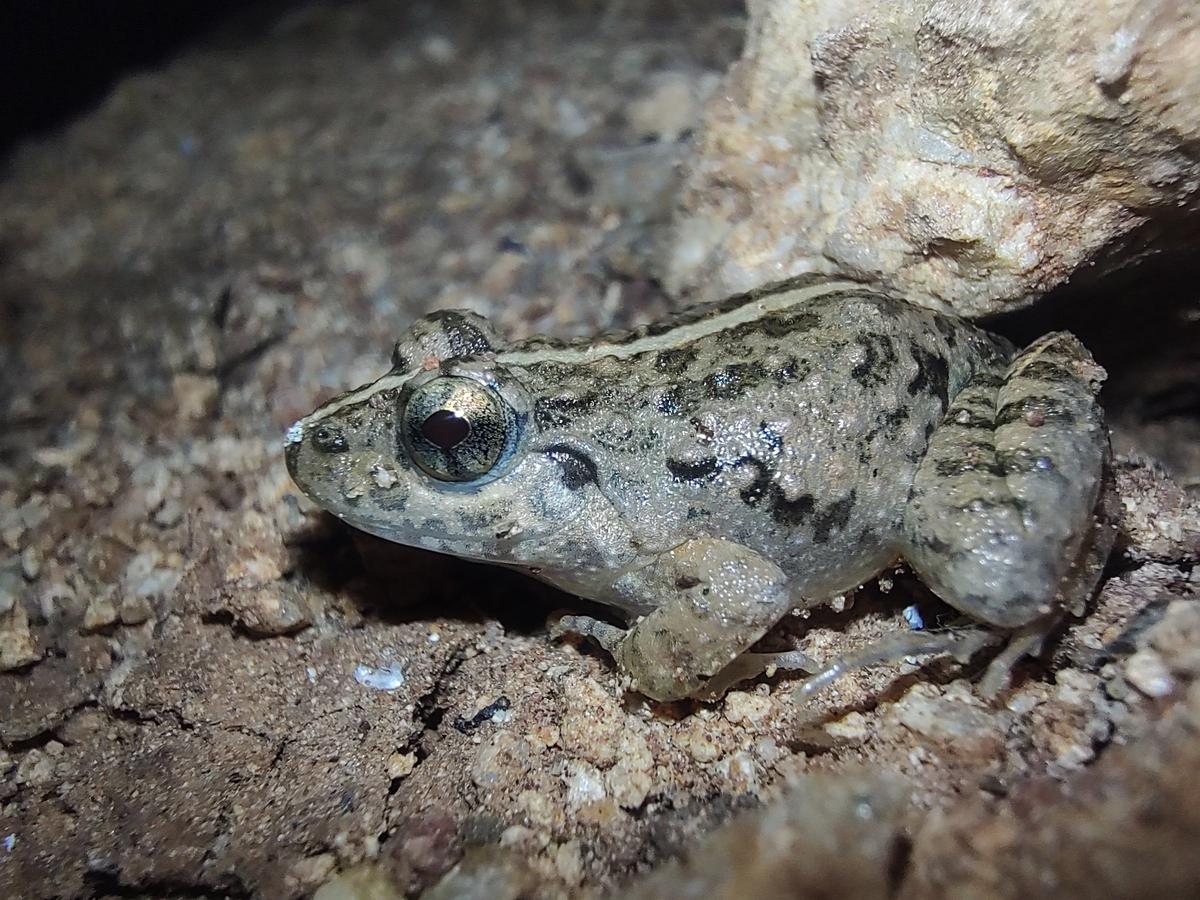
Indian Cricket Frog spotted at Doddasaggere Botanical Park in Tumakuru district of Karnataka. | Photo Credit: Special Arrangement
“To ensure efficient water management, we are actively building checkpoints, water tanks, and mini-dams throughout the park,” he stated. “Already, three large ponds and numerous check bunds have been completed. Furthermore, four borewells provide excellent water yield, allowing us to irrigate all planted trees using drip irrigation and mulching techniques for optimal water conservation.”