
The Department of Nephrology at Government Stanley Medical College Hospital (SMCH) in Chennai has achieved an incredible feat: successfully completing over 1,000 kidney transplants. This remarkable milestone includes both transplants from living donors and those from deceased organ donors, solidifying SMCH’s position as a vital center for renal care in the region.
The hospital’s journey in kidney transplantation began 29 years ago, in April 1986, with its very first living donor renal transplant. A decade later, in February 1996, SMCH performed its first deceased donor kidney transplant. Dr. M. Edwin Fernando, Professor and Head of the Nephrology Department at SMCH, recounted a significant event from that era: “When the first cadaveric liver transplant was performed here by senior surgical gastroenterologist R.P. Shanmugam, one kidney was allocated to a patient at our hospital, and the other to a patient at Rajiv Gandhi Government General Hospital.”
As of today, the department has performed a total of 1,006 renal transplants: 837 from live related donors and 169 from deceased donors. The demand for renal care at SMCH continues to grow, with the department managing nearly 30,000 outpatients and 25,000 inpatients in the last year alone.
Comprehensive Kidney Care at Stanley Hospital
Dean A. Aravind highlighted that SMCH’s nephrology department offers a full spectrum of kidney-related services under one roof. With 30 dialysis machines running continuously, the department conducts an average of 25,000 dialysis sessions annually.
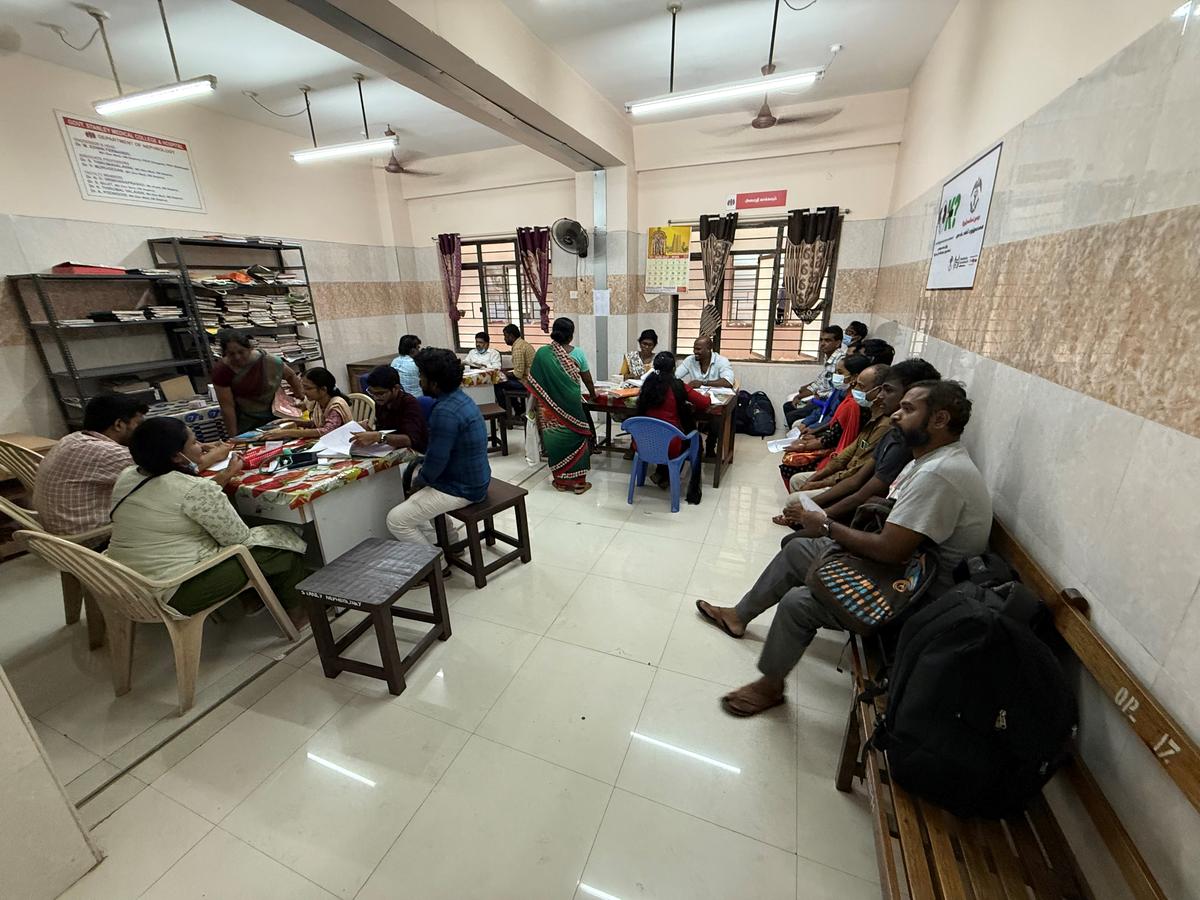
Dr. Fernando noted the increased influx of patients seeking dialysis, attributing it partly to more referrals from neighboring centers and significantly to enhanced access through the Chief Minister’s Comprehensive Health Insurance Scheme. To support patients undergoing dialysis, the State government recently initiated a program providing a protein-rich diet, including two boiled eggs, 100 grams of chickpeas, and 100 ml of milk daily.
The department also operates specialized outpatient clinics. These include a vascular access clinic, run in collaboration with the Department of Vascular Surgery; a systemic lupus erythematosus clinic; a dedicated post-transplant clinic; and a deceased donor registration program that screens and counsels waitlisted patients.
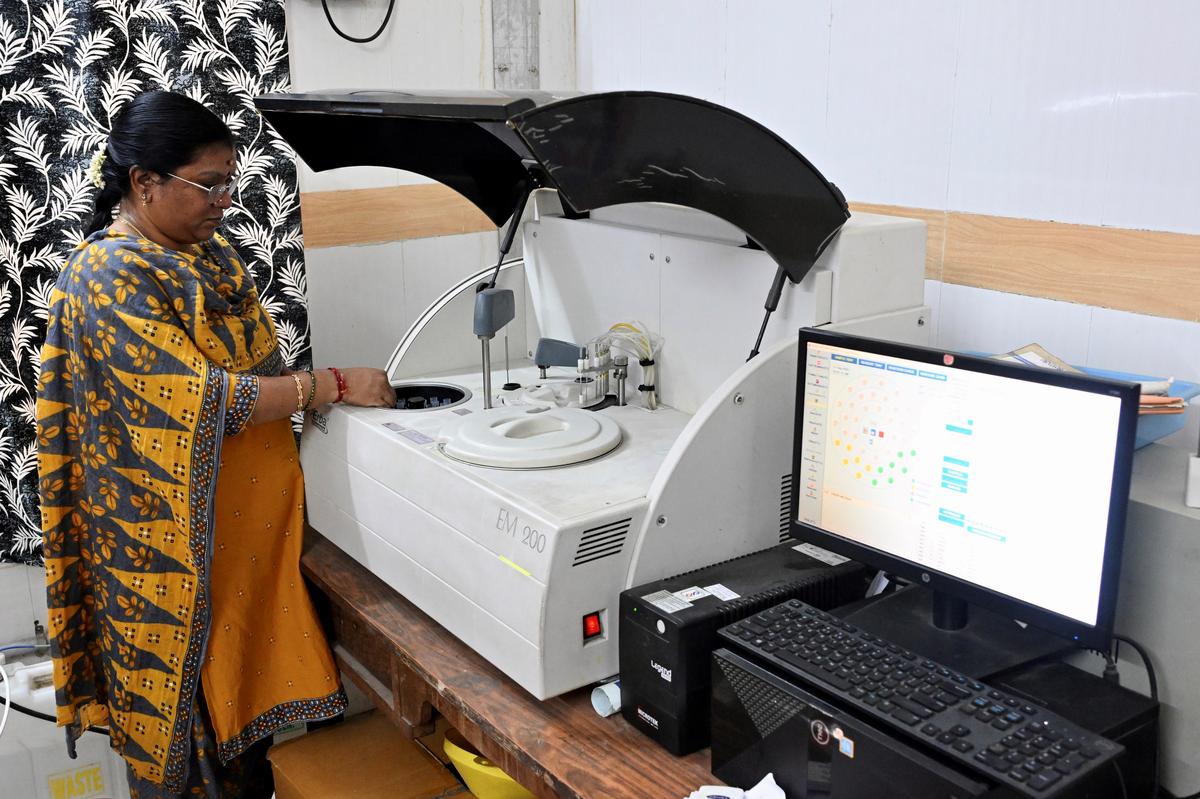
Each week, approximately 200 individuals attend the post-transplant outpatient clinic. Here, doctors meticulously review patient health, conduct periodic blood tests, and provide all necessary medications free of charge every Wednesday.
Prioritizing Donor Well-being
A crucial aspect of SMCH’s protocol for living donor renal transplants is the meticulous follow-up with the donors themselves. “Donors are incredibly important,” Dr. Fernando emphasized, “as they are healthy individuals who generously donate one of their kidneys. Our studies confirm that the vast majority remain healthy.” The department encourages donors to return for health check-ups during their birthday month, ensuring their continued well-being. Comprehensive work-ups are performed before transplantation to ensure donors are in optimal health.
Furthermore, donors receive extensive counseling before the transplant. This process assesses their genuine willingness, addresses any apprehensions, and ensures that no individual is pressured into donating.
Dr. Fernando highlighted the increasing prevalence of kidney ailments, primarily linked to diabetes, high blood pressure, and obesity. A growing concern is Chronic Kidney Disease (CKD) of unknown origin, now accounting for 40% to 50% of cases. Potential contributing factors include prolonged exposure to heat and insufficient water intake.
Recognizing the heightened risk for outdoor workers, SMCH has advocated for the Labour Department to mandate a two-hour rest period (11 a.m. to 1 p.m.), provide shaded shelters, and ensure access to clean drinking water and proper sanitation facilities. In certain areas, contaminated groundwater is also suspected as a contributing factor to kidney disease.
“Kidney diseases often progress silently,” Dr. Fernando cautioned. “Therefore, individuals with diabetes, hypertension, or a family history of kidney disease should undergo regular screening.” Looking ahead, he stressed the importance of strengthening the deceased donor program, especially given that approximately 7,000 people are currently on the waitlist for renal transplants with the Transplant Authority of Tamil Nadu.