
The renowned Periyar Tiger Reserve (PTR) recently celebrated a significant discovery, officially adding 12 new species to its already impressive faunal checklist. This exciting development further cements its reputation as a vital biodiversity hotspot within the magnificent Western Ghats. Among these new residents are eight dazzling butterfly species, two distinct odonates, and two unique bird subspecies.
Conducted between September 11 and 14, this comprehensive survey was a collaborative effort involving the Periyar Tiger Reserve, the Kerala Forest Department, and the Periyar Tiger Conservation Foundation, alongside the esteemed Travancore Nature History Society (TNHS). Expert teams meticulously explored 26 strategic basecamps across the reserve’s vast 925-square-kilometer area, which gracefully spans the Idukki and Pathanamthitta districts.
Periyar Tiger Reserve stands as one of India’s most important tiger habitats, cherished for its diverse ecosystems that include lush tropical evergreen forests, deciduous woodlands, expansive grasslands, and unique montane shola patches. This ecologically rich sanctuary is a haven for over 300 bird species, more than 200 butterfly varieties, 100 different odonate species, and magnificent megafauna like tigers, elephants, and gaurs.
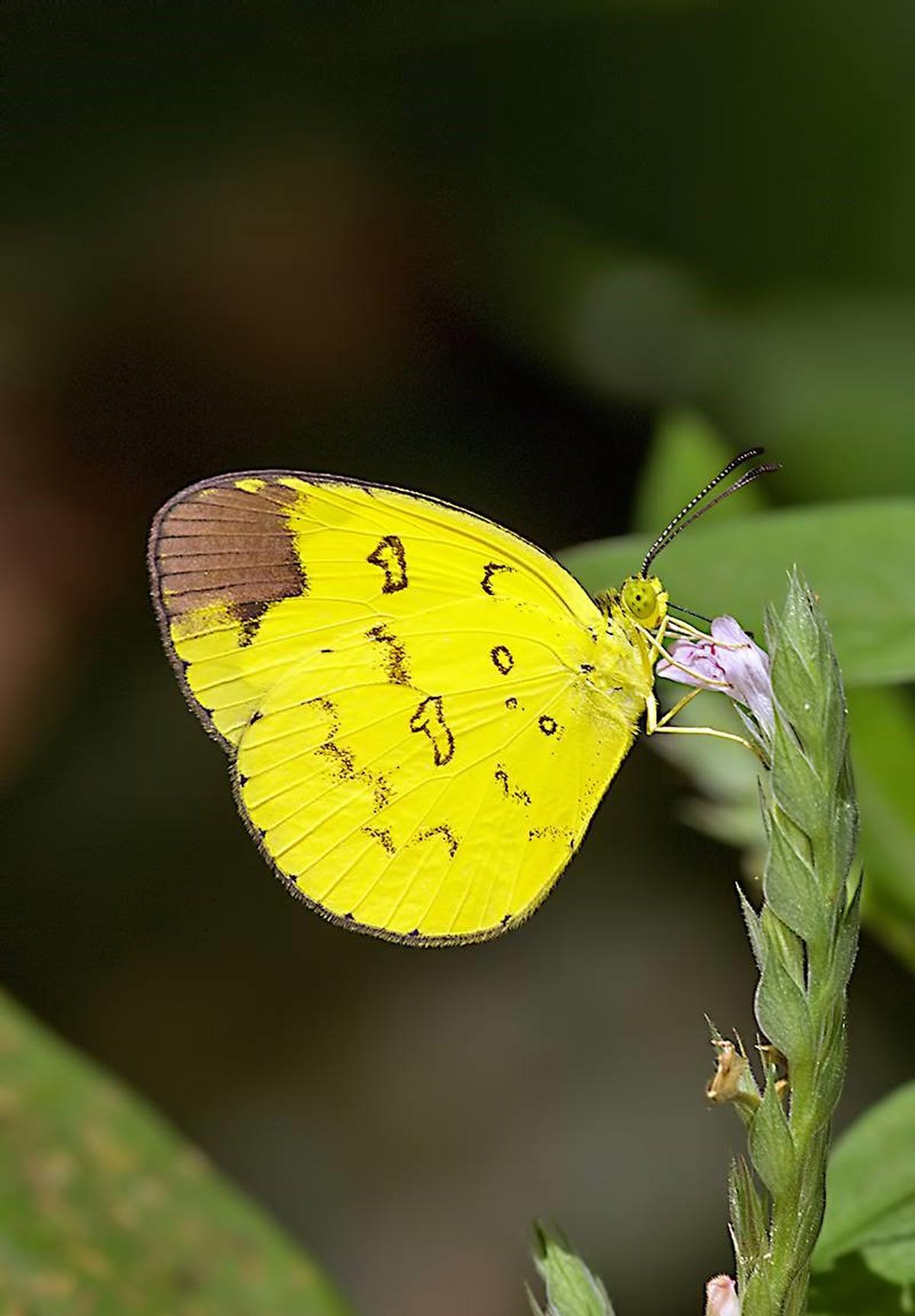
A significant part of the expedition concentrated on evaluating the reserve’s butterfly populations. The survey successfully documented 207 species, with eight of these being entirely new records for PTR. These exciting additions include the vibrant Sahyadri Grass Yellow (Eurema nilgiriensis), the striking Plain Orange-tip (Colotis aurora), the agile Sahyadri Yellowjack Sailer (Lasippa viraja kanara), the beautiful Lankan Plum Judy (Abisara echerius prunosa), the distinctive Plain Banded Awl (Hasora vitta indica), the elusive Montane Hedge Hopper (Baracus subditus), the charming Sahyadri Small Palm Bob (Suastus minuta bipunctus), and the swift Indian Dart (Potanthus pseudomaesa).
Beyond the new discoveries, researchers also proudly noted the presence of the Malabar Banded Peacock (Papilio buddha), which holds the distinguished title of Kerala’s state butterfly. The survey further confirmed several Western Ghats endemic species, including the graceful Malabar Tree-Nymph, the distinctive Nilgiri Tiger, and the unique Travancore Evening Brown.
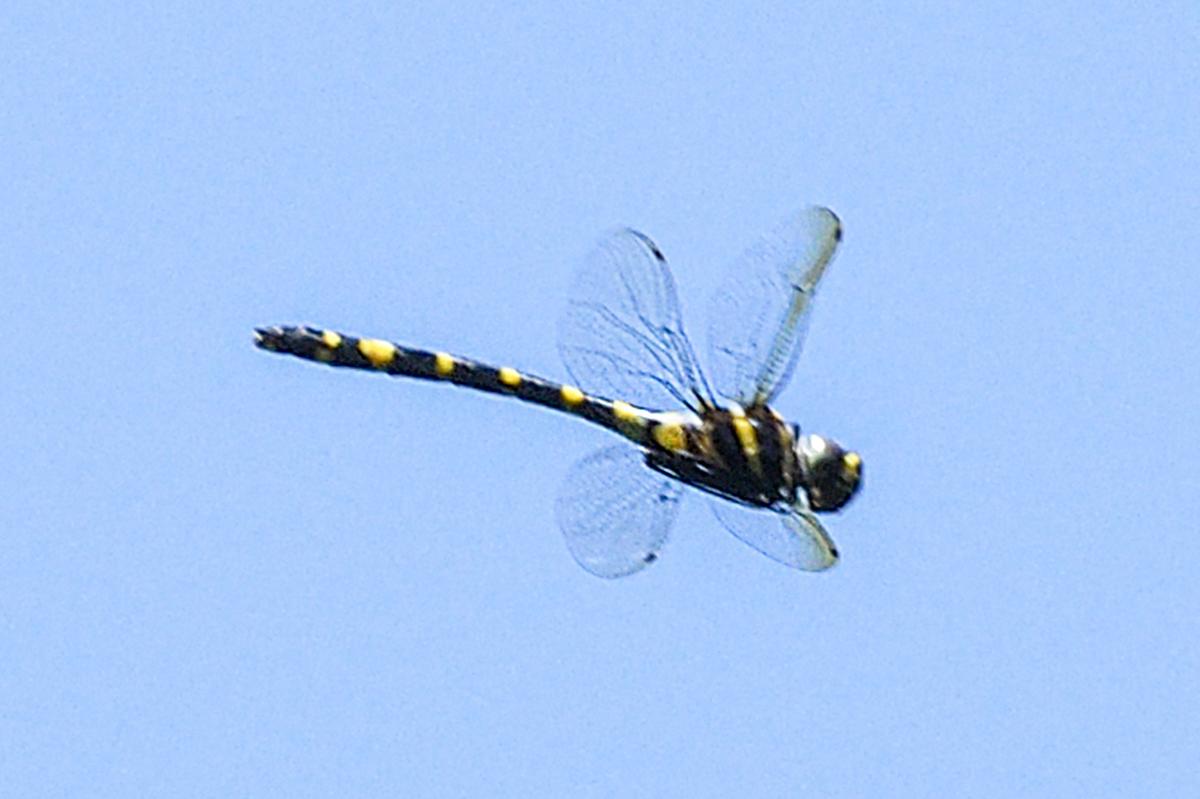
Meanwhile, the odonate (dragonfly and damselfly) survey meticulously recorded 71 species during the four-day event, with two of these being novel additions, pushing PTR’s total odonate count to 108 species. The newly identified odonates are the powerful Sahyadri Torrent-Hawk (Macromia bellicosa) and the striking Coorg Torrent-Hawk (Macromia ellisoni). Other noteworthy endemic odonates, such as Laidlaw’s Horntail and the Travancore Bambootail, were also spotted.
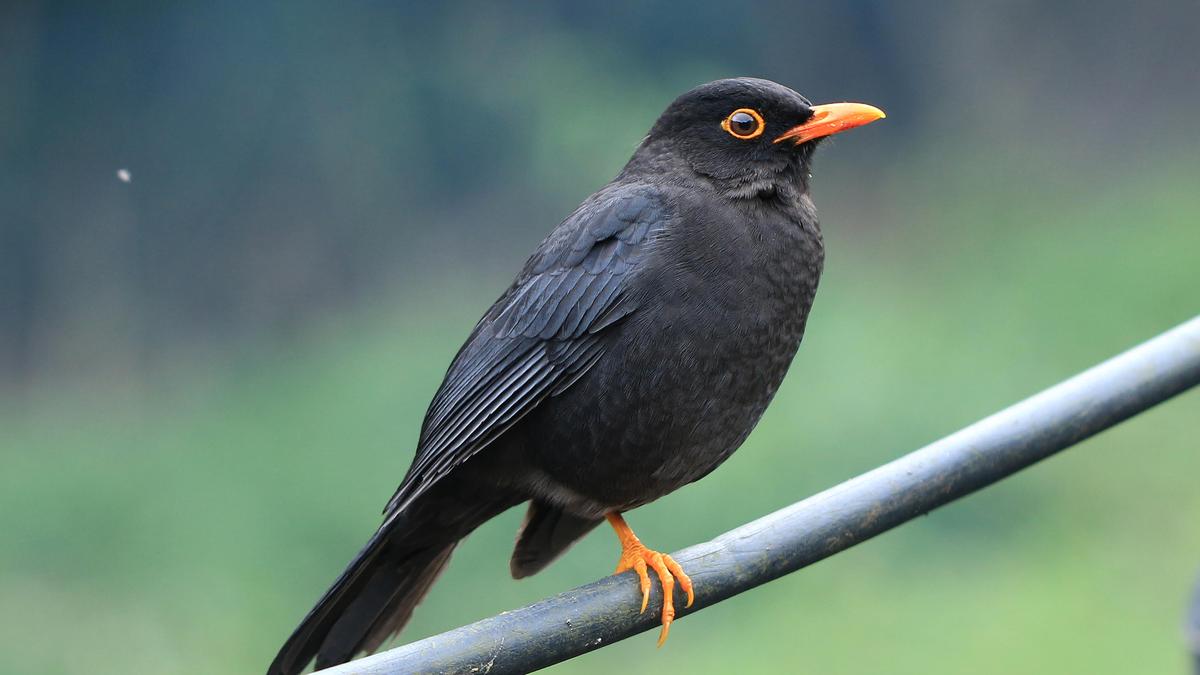
Bird experts on the teams confirmed the exciting discovery of two new subspecies of resident birds: Bourdillon’s Blackbird (Turdus simillimus bourdilloni) and the beautifully marked White-throated Ground Thrush (Geokichla citrina cyanota). The magnificent Great Indian Hornbill, an iconic symbol and Kerala’s state bird, was a welcome sight, recorded across almost all basecamps. Additional significant bird sightings included the elusive Nilgiri Wood Pigeon, the lively Grey-headed Bulbul, the distinctive Wayanad Laughing Thrush, the vibrant Black-and-Orange Flycatcher, and the agile Nilgiri Pipit.
Beyond the feathered and winged, the survey also meticulously documented approximately 40 ant species, 15 species of herpetofauna (reptiles and amphibians), and six species of cicadas. Furthermore, several well-known mammals were observed, including majestic Bengal tigers, agile leopards, wild dholes, powerful gaurs, and magnificent elephants. The teams also noted smaller, yet equally vital, mammals such as the brown mongoose, striped-necked mongoose, elusive small Indian civet, graceful smooth-coated otter, spiny Indian porcupine, and swift black-naped hare.
Lakshmi R., the Assistant Field Director of PTR, who officially inaugurated the survey, passionately underscored the critical importance of fostering partnerships between local communities and scientific researchers in effective biodiversity monitoring. She highlighted how such collaborative surveys are instrumental in bridging the knowledge gap between dedicated conservation managers and specialized research groups.
Pramod P.P., the Field Director of the reserve, eloquently characterized PTR as a “living laboratory” of unparalleled biodiversity. He remarked, “Every single survey enriches our understanding of this delicate ecosystem and powerfully reinforces the urgent need for its conservation. These latest discoveries brilliantly underscore just how much more there is to explore and safeguard within the invaluable Western Ghats.”