
On October 4, 2025, US Secretary of Labor Lori Chavez-DeRemer voiced strong criticism against Democratic lawmakers for their role in stalling federal work during the ongoing government shutdown. In a public statement, she emphasized that the Department of Labor has been tirelessly working “around the clock to deliver on the President’s mandate to put American Workers First.” However, she asserted that Democrats are “putting much of this work on hold.” She implored legislators to cease “playing games with the livelihoods of hardworking Americans,” highlighting the severe human cost of delayed federal funding.
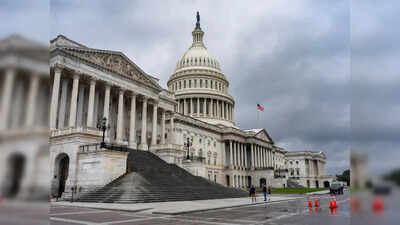
US Labor Secretary slams Democrats as shutdown leaves employees’ salaries delayed
Shutdown Threatens Paychecks and Jobs
The government shutdown, which commenced on October 1, 2025, has had immediate and tangible consequences for thousands of federal employees and private-sector contractors. Non-essential personnel are facing furloughs, while essential workers are required to continue their duties without a guarantee of timely payment. Vital sectors, including public safety, transportation, and health services, are already experiencing considerable strain.
Beyond federal workers, private companies and contractors that depend on government funding are encountering payment delays and project halts, leading to widespread uncertainty across numerous industries. For countless individuals and families, this shutdown has ignited pressing worries about covering essential expenses like bills, mortgages, and daily necessities.
Employment and Economic Consequences
Labor economists are sounding alarms, warning that an extended shutdown could send detrimental ripples throughout the broader American workforce:
- Delayed Wages: Essential employees face considerable financial disruption due to delayed paychecks.
- Hiring Freezes: Federal agencies are likely to halt recruitment efforts, internships, and grants, negatively impacting job seekers and career progression.
- Private Sector Impact: Small businesses and contractors heavily reliant on federal contracts are seeing their revenue streams choked off.
- Morale and Retention: The pervasive uncertainty can significantly diminish morale and increase attrition rates among crucial staff, potentially leading to long-term talent loss.
Even brief interruptions in government funding can trigger lasting challenges, including stalled projects, canceled contracts, and severe disruptions to local economies that surround federal operations.
The Political Rift Behind the Standoff
The core of the current shutdown lies in a deep disagreement over federal spending priorities. Republican lawmakers have expressed strong opposition to certain provisions within Democratic-backed bills, contending that these could indirectly broaden healthcare access for undocumented immigrants. Democrats, conversely, are advocating for comprehensive and inclusive funding measures.
Existing federal legislation, such as the Personal Responsibility and Work Opportunity Reconciliation Act of 1996, generally restricts undocumented immigrants from accessing most federal healthcare programs. However, emergency medical services remain available to all, as confirmed by the Department of Health and Human Services. While these political debates rage on, the stark reality for American workers—their delayed pay and job insecurity—remains undeniable.
The Path Forward
As negotiations continue, both the labor market and the federal workforce brace for ongoing disruption. Experts emphasize that a swift resolution to the shutdown is paramount to mitigate escalating employment effects, particularly for those on fixed incomes or solely dependent on federal wages.
With lawmakers still deeply divided, the immediate and undeniable consequence is that American workers are bearing the brunt of this political impasse. They face delayed paychecks, interrupted benefits, and profound uncertainty about their immediate financial future. For many, this government shutdown transcends mere political debate; it has become a struggle for financial survival.