
On October 4, 2025, US Secretary of Labor Lori Chavez-DeRemer didn’t mince words, criticizing Democratic lawmakers for needlessly obstructing federal work during the ongoing government shutdown. In a pointed tweet, she stated that the Department of Labor has been “working around the clock to deliver on the President’s mandate to put American Workers First,” only for Democrats to “put much of this work on hold.” She passionately implored lawmakers to cease “playing games with the livelihoods of hardworking Americans,” emphasizing the severe personal toll that stalled federal funding is taking.
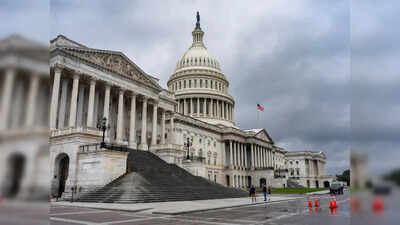
US Labor Secretary slams Democrats as shutdown leaves employees’ salaries delayed
Shutdown Jeopardizes Paychecks and Job Security
Kicking off on October 1, 2025, the government shutdown has cast a long shadow over thousands of federal employees and contractors. Non-essential personnel are now on furlough, while those deemed essential are forced to continue their vital work with no assurance of receiving their pay. Essential services, from public safety to transportation and health, are already under immense pressure.
This crisis extends far beyond direct federal employees, as private-sector contractors dependent on government contracts face payment delays and stalled projects, injecting instability across diverse industries. For countless families, the shutdown has ignited urgent worries about covering everyday expenses like bills, mortgages, and other necessities.
Broader Economic and Employment Consequences
Labor economists are sounding the alarm, warning that extended government shutdowns can have far-reaching negative effects on the wider workforce:
- Delayed Wages: Essential workers, despite their crucial roles, face postponed paychecks, severely disrupting household finances.
- Hiring Stalls: Federal agencies are forced to pause recruitment, internships, and grant programs, impacting job seekers and future talent pipelines.
- Private Sector Strain: Businesses and contractors relying on government contracts confront immediate halts in revenue, threatening their stability.
- Eroding Morale: The pervasive uncertainty leads to a sharp decline in employee morale and an increased risk of losing critical staff members.
Even brief interruptions in funding can trigger lasting problems, including significant project delays, canceled contracts, and widespread economic disturbances in communities near federal agencies.
The Political Stalemate Driving the Shutdown
At the heart of this government shutdown lies a bitter disagreement over federal spending. Republicans are vehemently opposing clauses in Democratic-backed legislation, asserting that these provisions could indirectly broaden healthcare access for undocumented immigrants. Conversely, Democrats are emphasizing the urgent need for comprehensive and sustained government funding.
Current federal law, notably the Personal Responsibility and Work Opportunity Reconciliation Act of 1996, generally restricts undocumented immigrants from accessing most federal healthcare programs. However, the Department of Health and Human Services confirms that emergency medical services are universally accessible. As political arguments rage on, the palpable impact on workers’ salaries and job security remains a stark reality.
What Lies Ahead?
With negotiations still underway, both the labor market and the federal workforce are bracing for prolonged disruption. Experts stress that a rapid resolution is essential to avert a domino effect of negative employment consequences, especially for individuals reliant on fixed incomes or federal salaries.
Despite the ongoing division among lawmakers, one truth remains painfully clear: American workers are bearing the brunt of this crisis. They face delayed paychecks, interrupted benefits, and profound uncertainty about their immediate financial stability. For countless individuals, this shutdown has transcended mere political debate to become a critical struggle for financial survival.