
Our planet’s skies and oceans hold secrets far beyond what any daily weather forecast can tell us. There are rare and extraordinary phenomena that leave everyone, from curious observers to seasoned meteorologists, completely astonished. Is it magic, or just nature showing off? Let’s dive into some of the most unbelievable displays Mother Nature has to offer.
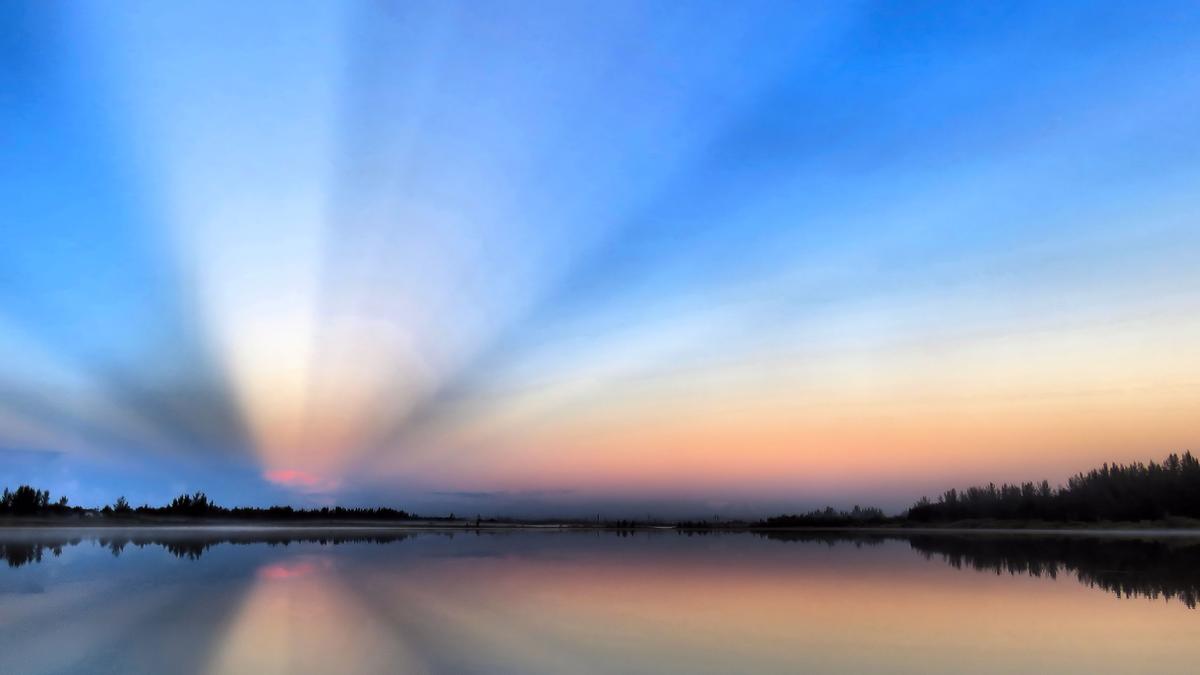
False sunrise in Miramar Parkway (Photo Credit: FLICKR)
Illusory Sunrises and Sunsets
Mother Nature loves to trick our eyes, especially with her ‘fake’ sunrises and sunsets. Imagine the sun appearing to dip below the horizon when it’s still quite high in the sky, or seemingly reappearing after it’s already set! Conversely, a false sunrise makes the sun visible even when it’s still below the horizon.
These optical illusions are caused by atmospheric conditions like sunlight reflecting off the underside of clouds or a simple mirage. It’s a captivating reminder of how our perception of the sky can be playfully distorted.
Moonbows
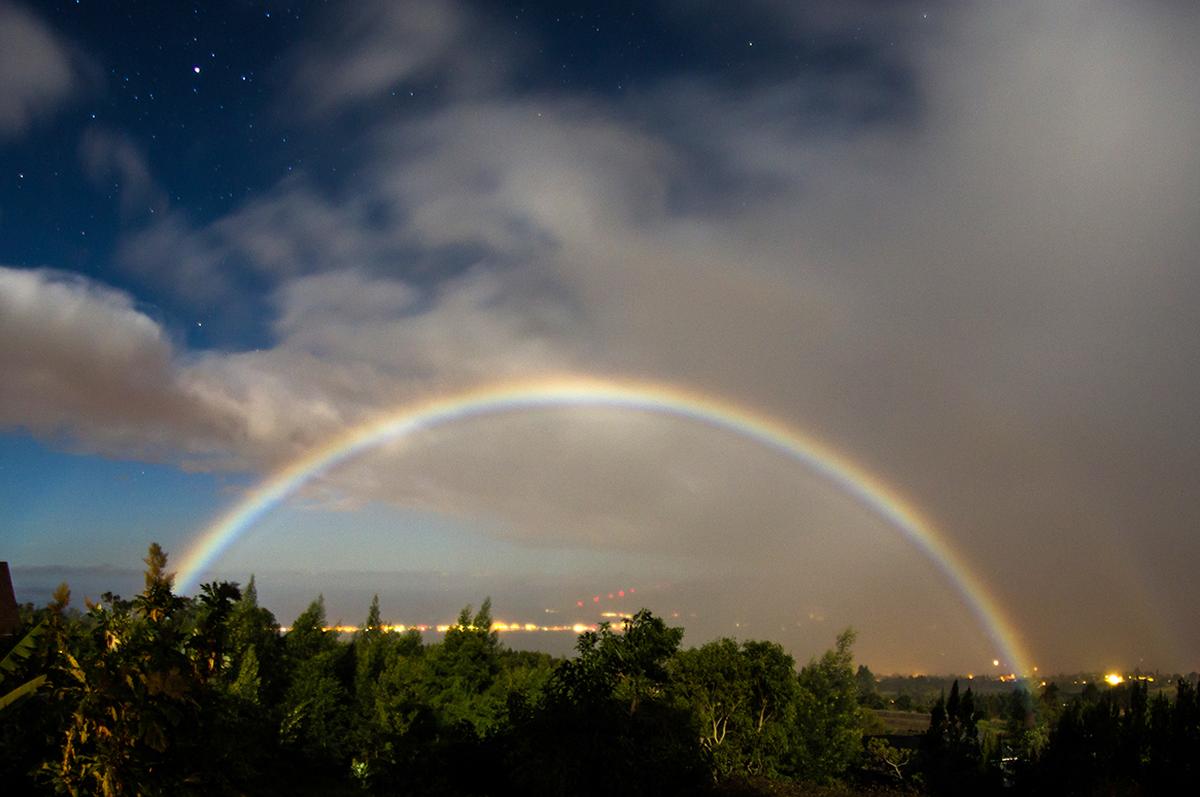
Moonbows (Photo Credit: SPECIAL ARRANGEMENT)
If you thought rainbows were strictly a daytime spectacle, think again! Moonbows, or lunar rainbows, are just like their solar counterparts but are illuminated by moonlight instead of direct sunlight. They form when moonlight refracts through water droplets and are always positioned opposite the Moon.
Because the Moon reflects only a fraction of the sun’s light, moonbows are much fainter than regular rainbows. They are best seen during a bright full moon when it is low in the sky (below 42 degrees) and the night is exceptionally dark and clear. You can spot these ethereal arcs in places like Niagara Falls, Hawaii, and the cloud forests of Costa Rica.
Animal Rain
The phrase “raining cats and dogs” is usually just an idiom, but what if animals actually fell from the sky? Believe it or not, there are numerous historical accounts of animals raining down from above!
Ancient Roman naturalist Pliny the Elder recorded storms of frogs and fish in the first century A.D. Centuries later, in 1794, French soldiers witnessed toads raining near Lille. Some communities, like the rural inhabitants of Yoro, Honduras, even claim that fish rain down every summer in a phenomenon they call Lluvia de Peces (Rain of Fish).
One theory suggests that powerful natural phenomena like tornadoes and waterspouts can lift small animals into the air and carry them for miles before dropping them. While this remains unconfirmed, birds dropping their catches mid-flight could also account for some cases.
Volcanic Lightning

Lightning flashes as Taal Volcano erupts Sunday, Jan. 12, 2020, in Tagaytay, Cavite province, outside Manila, Philippines. (Photo Credit: Aaron Favila/AP)
Imagine the raw power of a volcanic eruption combined with flashing lightning – it’s an awe-inspiring spectacle! Unlike typical lightning, volcanic lightning is generated by the violent collisions of ash, rock, and ice particles during an eruption. These collisions strip electrons from some particles and add them to others, creating a massive electrical charge separation within the volcanic cloud. When the imbalance becomes too great, the energy is released as lightning.
Though challenging to study, volcanic lightning is not rare. Early observations were made during Mount Vesuvius eruptions in the mid-1800s, and it has since been reported at active volcanoes worldwide, including Mount Etna in Sicily and Alaska’s Mount Augustine.
Sprites
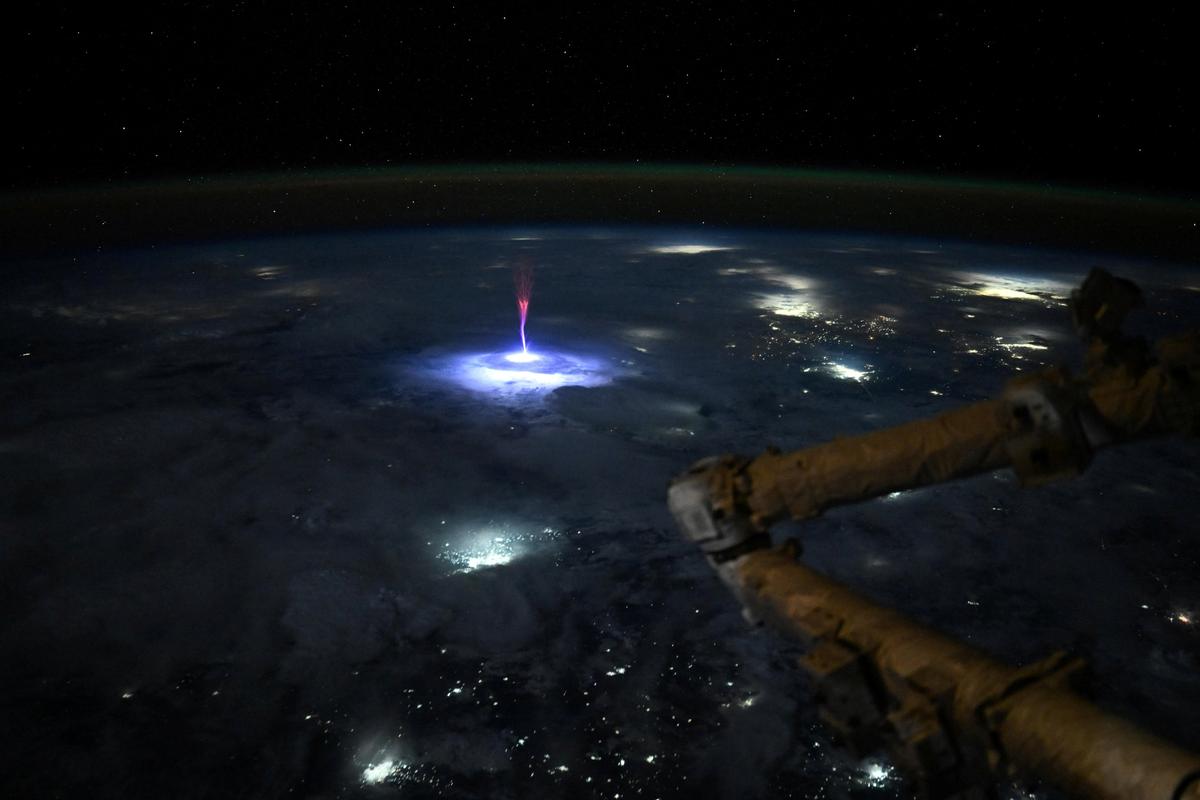
A Transient Luminous Event (TLE) known as a sprite is seen during a pass in the earth’s orbit over Mexico and the United States by the International Space Station. (Photo Credit: REUTERS)
At first glance, with their eerie red glow and tentacle-like forms, sprites might look like something out of a science fiction movie. These flashes of bright red light occur high above storm systems, named after the mischievous sprites in Shakespearean tales. The acronym stands for Stratospheric Perturbations Resulting from Intense Thunderstorm Electrification.
Sprites are typically reddish-orange or greenish-blue, featuring tendrils hanging below and arcing branches above, often preceded by a reddish halo known as a sprite halo. First accidentally captured by University of Minnesota scientists in 1989, these transient luminous events have since been the subject of intense investigation and were notably observed during Hurricane Matthew in 2016.
Light Pillars
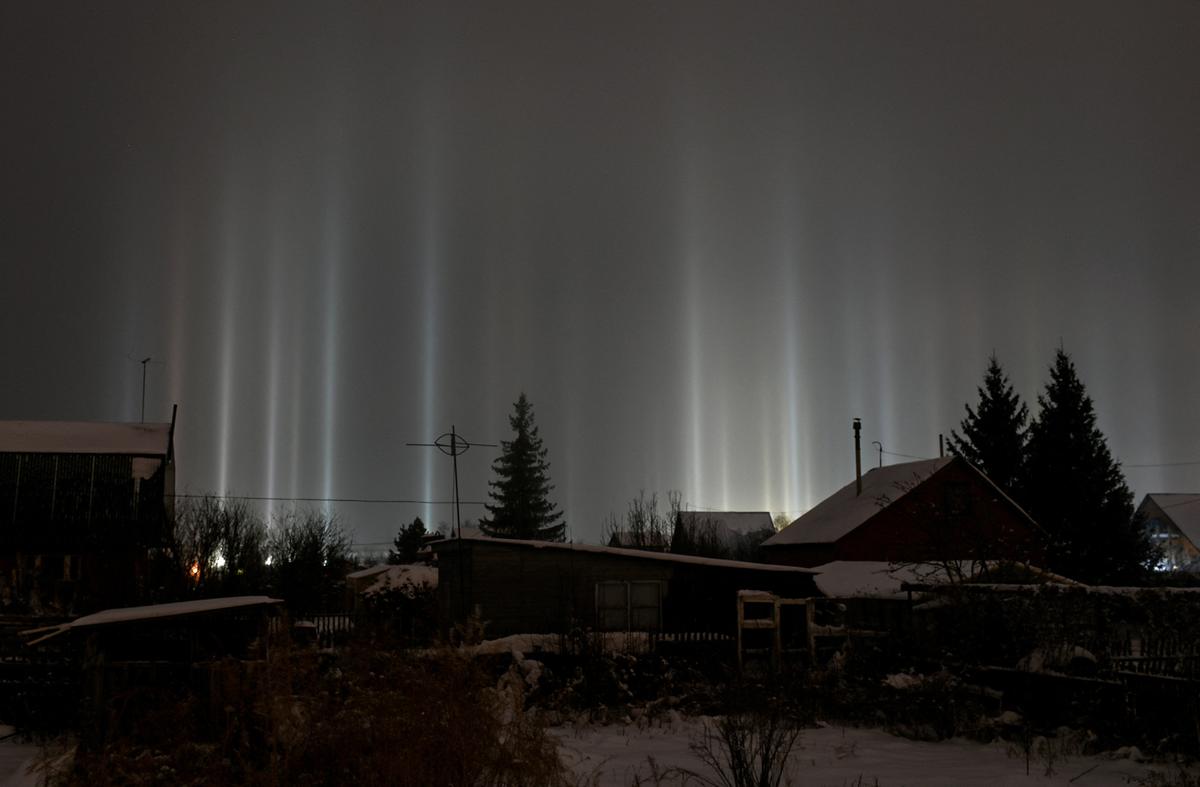
Pillars of light, which are optical atmospheric phenomena, beam up from the ground into the sky behind residential buildings in Omsk, Russia, January 2, 2023. (Photo Credit: Alexey Malgavko/REUTERS)
Beyond the famous Northern Lights, the sky offers other spectacular light shows. Light pillars, or ice pillars, are atmospheric optical phenomena where vertical beams of light appear to extend above and below a light source.
This mesmerizing effect is created by the reflection of light from countless tiny ice crystals suspended in the atmosphere or within high-altitude clouds. These pillars can originate from the sun, the moon, or even artificial sources like city streetlights. Reports of this phenomenon come from snowy regions like Central Alberta, Canada, and Alaska, where ice crystals are abundant in the cold air.
Morning Glory Clouds
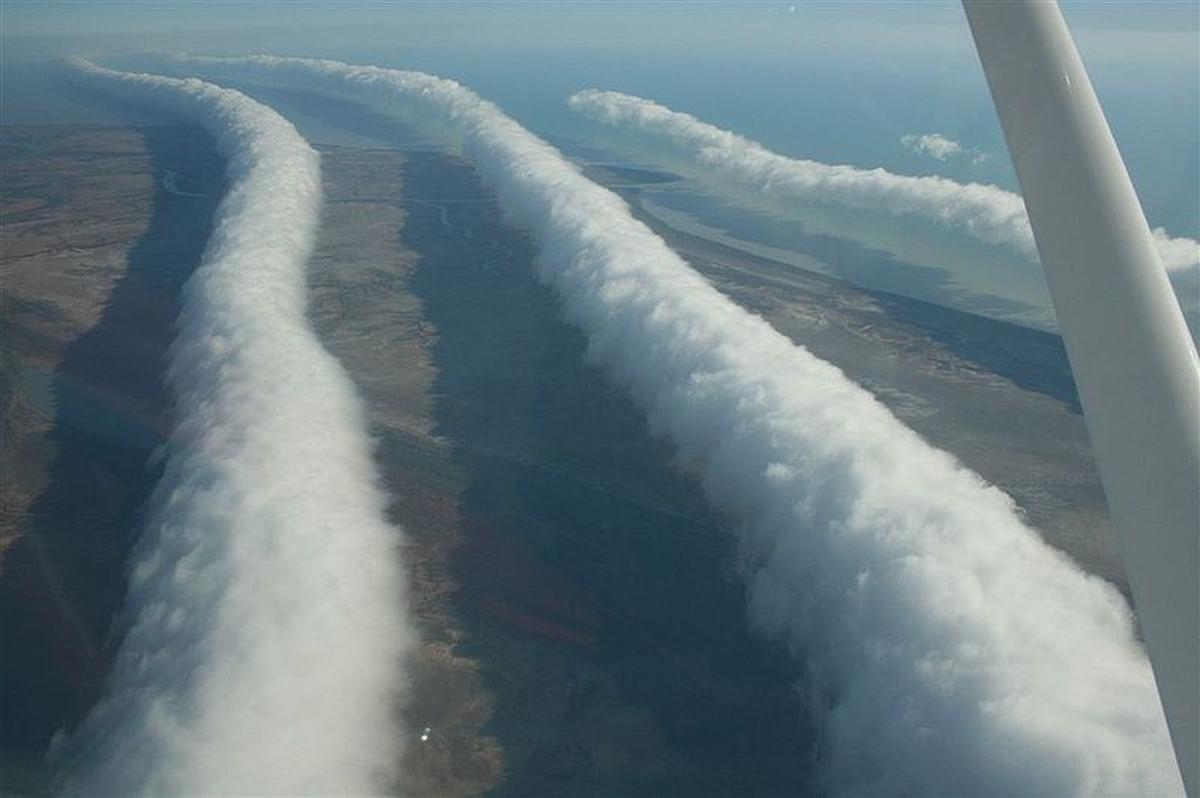
A Morning Glory cloud formation between Burketown and Normanton, Australia. (Photo Credit: WIKIMEDIA COMMONS)
Imagine clouds so close to the ground they resemble a colossal, elongated monster! Morning Glory clouds are a rare meteorological phenomenon involving a low-level atmospheric wave and a distinctive roll-shaped cloud formation. This wave often manifests as a series of up to ten consecutive roll clouds, stretching for hundreds of kilometers.
An average Morning Glory cloud can span up to 1,000 kilometers in length, reach 1 to 2 kilometers in height, and hover just 100 to 200 meters above the ground. This means if you’re tall enough, you could quite literally have your head in the clouds!