
The U.S. Department of Education has unveiled a sweeping new rule designed to overhaul the Public Service Loan Forgiveness (PSLF) program. Officials assert this change aims to realign the program with its ‘original intent,’ ensuring support solely for individuals genuinely committed to lawful public service.
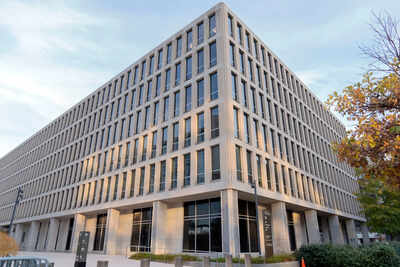
Image credit: AP Photo
This significant update, announced on October 31, 2025, revises the definition of a ‘qualifying employer.’ It explicitly bars organizations involved in illegal activities, such as supporting terrorism or facilitating unlawful immigration, from participating. This ruling concludes an extensive process that included months of public discussion, thousands of public comments, and a detailed rulemaking procedure initiated by President Trump earlier in the year.
A Program at a Critical Juncture
Established by Congress in 2007, the PSLF program initially offered a straightforward promise: federal student loan forgiveness for Americans who dedicated ten years to public service. However, over time, its guidelines became less clear, reportedly enabling certain nonprofits and advocacy groups to qualify even when officials deemed their activities to have ‘substantial illegal purposes.’
In a press release, Under Secretary of Education Nicholas Kent emphasized that these new regulations are crucial for ensuring the responsible allocation of taxpayer funds. Kent’s statement in the press release was unambiguous: ‘Taxpayer funds should never directly or indirectly subsidize illegal activity.’ He further clarified, ‘The Public Service Loan Forgiveness program was established to support Americans dedicated to public service, not to fund organizations that break the law, whether by harboring undocumented immigrants or carrying out medical procedures deemed illicit that seek to alter a child’s biological sex.’
He concluded by stating the administration’s aim is to ‘redirect PSLF benefits towards those who genuinely embody the spirit of service—our teachers, first responders, and civil servants who bolster their communities through legitimate, public endeavors.’
From Executive Order to Enforceable Regulation
This policy originated from Executive Order 14235, ‘Restoring Public Service Loan Forgiveness,’ signed by President Trump on March 7, 2025. This order mandated the Education Department to review and revise PSLF eligibility, specifically redefining ‘public service’ to exclude organizations pursuing illegal objectives.
Following the executive order, public hearings took place on April 29 and May 1, culminating in a negotiated rulemaking session from June 30 to July 2. During these sessions, higher education specialists and advocacy groups meticulously debated the proposed changes. When the Department’s draft rule was released in August, it prompted almost 14,000 public comments, with many expressing apprehension about the ambiguous phrasing of terms such as ‘illegal purpose.’
Despite these concerns, the Department upheld its core provisions, stressing the importance of preventing any misuse of federal loan forgiveness. The rule is scheduled to come into force on July 1, 2026, aligning with the Higher Education Act’s master calendar stipulations.
A Divisive Shift for Borrowers
This reform is poised to be one of the most impactful changes in PSLF’s 18-year history. It could mean that borrowers working for nonprofits involved in immigration advocacy, specific healthcare services, or politically sensitive causes might lose their eligibility for future loan forgiveness.
While proponents maintain that this action safeguards the integrity of federal funding, critics caution that the broad terminology used could stifle legitimate social work and medical practices, particularly in areas already facing political scrutiny. Several education experts are concerned this could leave thousands of borrowers in limbo regarding their eligibility under the revised criteria.
Redefining Public Service for a New Era
The Trump administration’s new rule is more than just an administrative change; it’s a profound statement on how public service is perceived and defined in modern America. By distinguishing between ‘lawful service’ and ‘illegal advocacy,’ the Department of Education has placed the PSLF program at the center of a national ideological debate.
For some, this represents a much-needed correction to a program that strayed from its initial purpose. For others, it’s seen as a politicization of education policy, disguised as reform.
As this rule approaches its implementation in mid-2026, it sparks a question far more fundamental than administrative eligibility: What kind of public service is the federal government truly prepared to acknowledge, incentivize, and ultimately forgive?