
When an indie game captures the hearts of a wide audience, player expectations for what comes next can be immense. This was precisely the situation for Motion Twin, the studio behind the highly acclaimed Dead Cells, a title consistently praised among top roguelike games since its 2018 launch. However, instead of taking the seemingly obvious and safer route of developing a direct sequel – a common strategy for many successful studios – Motion Twin bravely chose a different, less conventional path.
“We are driven by what we want to make,” Yannick Berthier, co-creative director and game designer at Motion Twin, revealed in a recent interview. He elaborated that Motion Twin’s distinctive organizational structure, where nearly every developer on the nine-person team is a partner, empowers them to base decisions on creative passion rather than pure business strategy.
(A video interview discussing Motion Twin’s creative decisions is available.)
“If we were a ‘business,’ we would be talking about Dead Cells 2 right now,” Berthier explained. “We are not talking about Dead Cells 2. We are talking about Windblown, because we are a collective of individuals that are creative and want to create stuff.”
After dedicating considerable time to Dead Cells, the team felt ready for a fresh challenge. The immense success of their previous game granted them the liberty to explore any direction they desired: “a new universe, super bright, that could be co-op.” While Windblown initially faced criticism for being “too punishing” at launch, its journey through early access has been shaped by continuous fan feedback, leading to significant improvements.
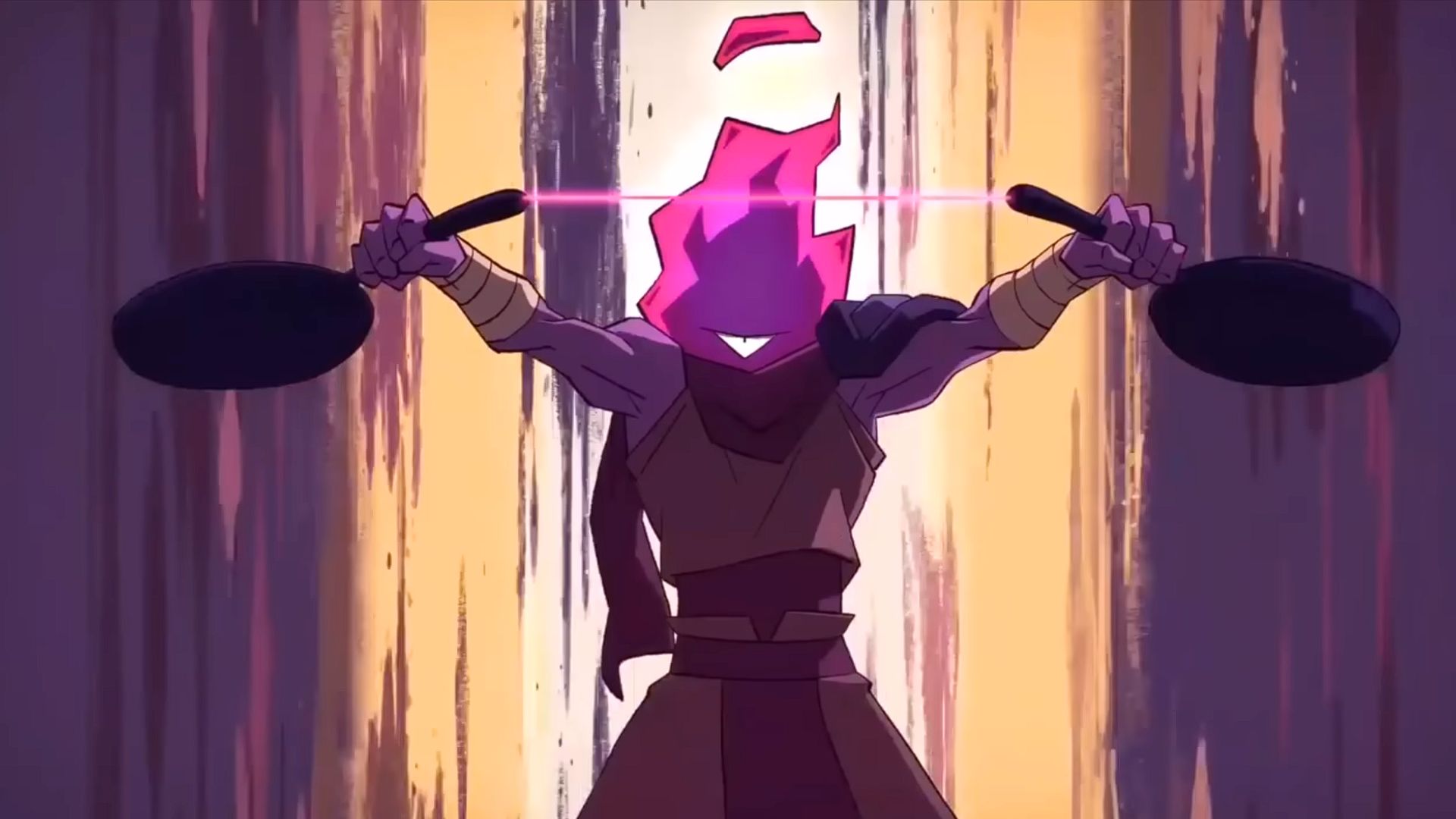
Berthier believes that if Motion Twin were a subsidiary of a larger corporation or answerable to shareholders, their trajectory might have been different. “[If] we would have been [part of] another company, maybe the pressure to do a sequel would have been way, way stronger – I mean, internally.”
“Externally, it’s super strong. Every post we do, we tend to have a few comments like, ‘OK, cool, when Dead Cells 2?’ But it’s fine. That’s our reality.” He candidly admitted that this decision might not have been the most financially astute, but the creative team ultimately followed their hearts.
A year into Windblown’s early access phase, Berthier stands by the decision to forge a new path rather than replicate Dead Cells’ success. He highlights that the greatest advantage of Motion Twin’s worker’s co-op model is this profound freedom – the ability to choose what to create next, regardless of corporate influence. While acknowledging that this freedom largely stemmed from the monumental success of their first title, the developers at Motion Twin are clearly relishing the opportunity to explore new horizons.

“We can shape our future,” he affirmed. “I wouldn’t say ‘decide’ it, because we’re a part of the real world […] but we can definitely influence or choose our strategy.”
This strategy emphasizes innovation and iteration, focusing on developing something fresh and distinct from the Dead Cells legacy that brought them so much acclaim, and, with the end of its support, some controversy. While Windblown still has a considerable journey to match Dead Cells’ explosive popularity, if it allows the developers to craft the game they truly aspire to make, then their decision is hard to dispute.
Windblown is available in early access now. You can play it on Steam.
If you’re seeking more titles similar to Dead Cells or Windblown, from developers who embrace creative risks, explore lists of the best indie games. For a taste of similarly brutal challenges, consider diving into the best soulslikes.
Have you been playing Windblown? Share your thoughts in our community Discord server, where staff and readers also make decisions with their hearts instead of their heads.