
Get ready for a stunning celestial show! The Harvest Moon will grace our skies from October 6 to October 7, 2025. This particular Harvest Moon is extra special because it will also be a Supermoon, meaning it appears closest to Earth in its orbit, coinciding with the Moon’s perigee and the equinox. This rare alignment promises an exceptional opportunity to witness the moon’s magnificent beauty.
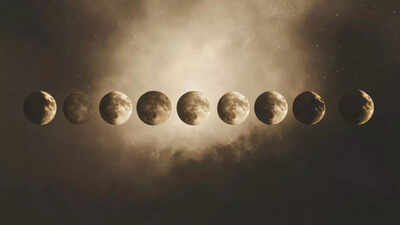
Harvest Moon October 2025: Key Dates and Times
The moon will reach its full phase precisely at 10:48 PM on October 6, 2025. This timing sets the stage for a spectacular viewing experience.
Understanding the Harvest Moon
The Harvest Moon refers to the full moon that occurs closest to the autumnal equinox in the Northern Hemisphere. While the term ‘autumn’ isn’t commonly used everywhere, it generally signifies the period from late September through November. Historically, this moon was incredibly valuable to farmers, as it provided extended evening light, allowing them to continue harvesting crops for several consecutive nights after sunset.
What Makes This Full Moon So Unique?
In bygone eras, the Harvest Moon was a beacon for farmers, illuminating fields laden with rice, corn, beans, and squash, enabling them to toil into the night. While popular belief often highlights this moon’s extended presence in the sky, it’s actually the full moon nearest the winter solstice in December that holds the record for the longest duration above the horizon.
However, the Harvest Moon distinguishes itself by consistently rising around sunset for multiple nights in a row, a truly captivating phenomenon. During this period, the moon often appears unusually large and takes on a captivating golden-orange hue. This optical effect occurs because, like sunlight at dusk, the moon hangs low on the horizon, its light filtering through a thicker layer of Earth’s atmosphere, scattering blue light and leaving behind those warm, vibrant colors.
How to Best Witness the Harvest Moon 2025:
- Find Your Perfect Spot: Seek out a location far from city lights and light pollution. Checking local weather conditions for clear skies is also crucial.
- Go Open Field: Choose an open field or an area with an unobstructed view of the horizon, minimizing any visual interference.
- Enhance Your View: For a truly breathtaking experience, consider bringing binoculars or a telescope. They will reveal the moon’s intricate details and stunning features.
- Capture the Moment: Passionate photographers should bring their DSLR cameras to immortalize this amazing celestial event.