
Recently, the romantic comedy A Nice Indian Boy, directed by Roshan Sethi, found itself embroiled in a surprising censorship battle. The point of contention? A single word in its title: ‘Indian’. This film, which delicately explores themes of love, identity, and cultural belonging, became the latest victim of the Central Board of Film Certification’s (CBFC) close examination of movie titles—especially those touching upon country, religion, caste, or queer themes. Consequently, the movie quietly premiered in India on October 17 as A Nice Boy, effectively stripped of a significant part of its original identity.
Most moviegoers remained completely unaware of this silent removal. “At the end of the day, you tell yourself — at least, it’s releasing in theaters,” commented Avinaash Jumani, CEO of PictureWorks, the film’s Indian distributor. Sadly, the film’s theatrical run lasted only a week, likely missed by many film enthusiasts.
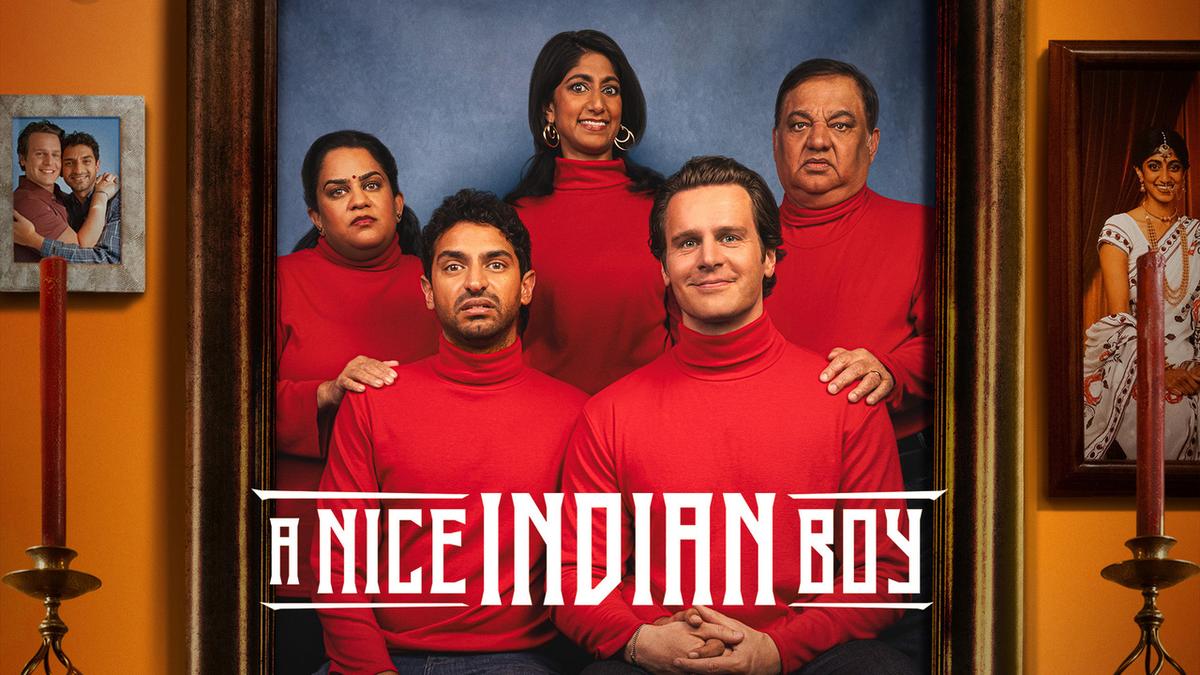
A poster of A Nice Indian Boy, before its certification in India.
A film’s title is its essence, the very first declaration of its story and themes. A forced alteration to this crucial element often reflects the prevailing cultural and political climate of a nation. When approached for comment, members of the CBFC declined to speak officially. However, a source close to the board indicated that title changes are “dependent on the committee [examining or revising] viewing the film. If the film’s content [title or subject matter] is against the mandate set by the board, they are at liberty to suggest changes.”
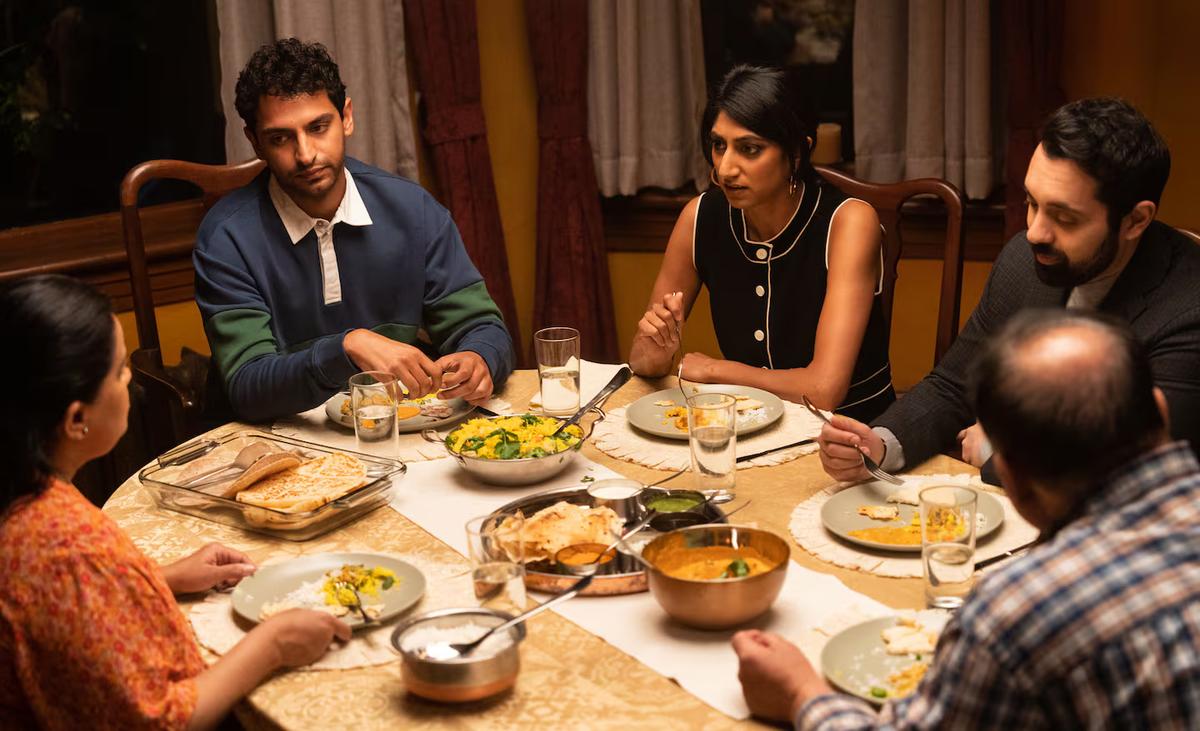
The removal of ‘Indian’ from the title regrettably deterred multiplex audiences who might have been keen on romcoms featuring the Indian diaspora.
A Story “Made in India,” Challenged by Censors
The creators of A Nice Indian Boy had anticipated a smooth certification journey when presenting their film to the CBFC. After all, what could possibly go amiss with a DDLJ-inspired narrative about a young man introducing his partner to his traditional parents—a beloved and well-trodden rom-com trope? However, the film carried a significant twist: the central couple was gay.
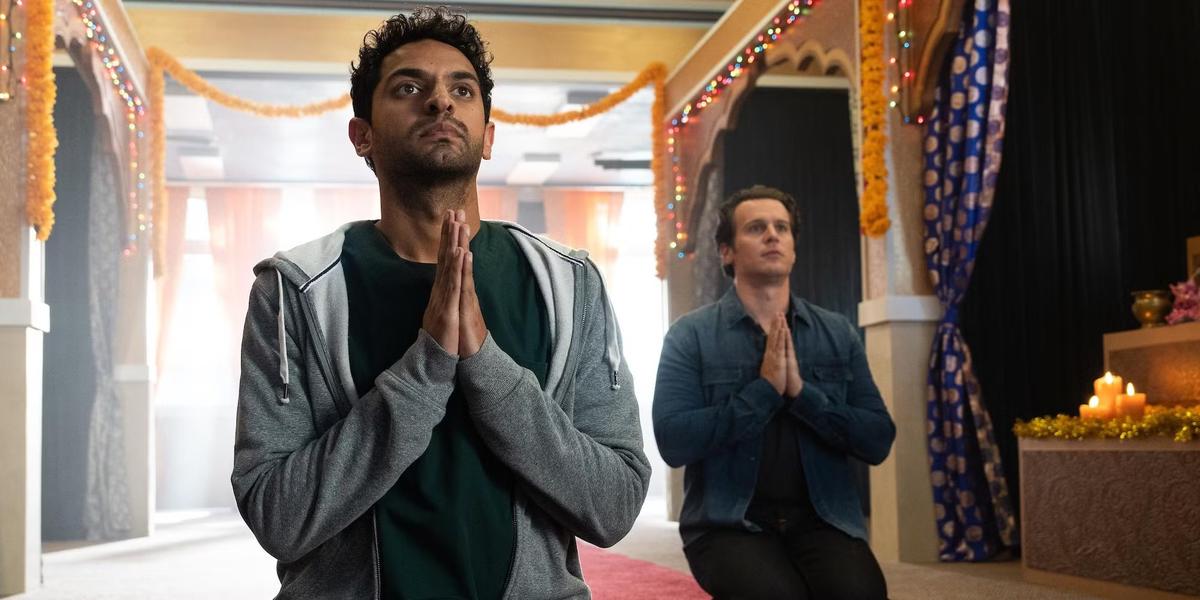
The creators of A Nice Indian Boy had hoped for a straightforward certification process.
Despite the film’s impressive 95% rating on Rotten Tomatoes, the CBFC presented a non-negotiable demand alongside minor cuts. “They explicitly stated: drop the word ‘Indian’ if you want your film certified for a theatrical release,’ recounted Jumani, who made a personal, albeit unsuccessful, visit to the CBFC office to appeal. The board’s core objection seemed to hinge on a single question: how could a ‘nice Indian boy’ possibly be gay?
This forced removal of ‘Indian’ from the title ultimately alienated a significant portion of its target audience—multiplex moviegoers who specifically seek out romcoms focusing on the Indian diaspora. Featuring talent like Karan Soni, known for his role as Deadpool’s beloved cab driver, and Indian-American comedian Zarna Garg, celebrated globally for her incisive observations on immigrant experiences, the film had all the ingredients to captivate ‘desi’ audiences.
A Troubling Trend: More Than Just One Incident
This isn’t an isolated case. For years, Indian film titles have faced similar cuts and modifications. Notable examples include Sanjay Leela Bhansali’s Padmavati, which became Padmaavat (2018); the Malayalam film Oru Bharatha Sarkar Ulpannam (meaning ‘A Government of India Production’) was rebranded Oru Sarkar Ulpannam (2024); and Janaki v/s State of Kerala premiered as Janaki V v/s State of Kerala (2025) after the CBFC raised objections to the inclusion of a Hindu deity’s name in the original title.
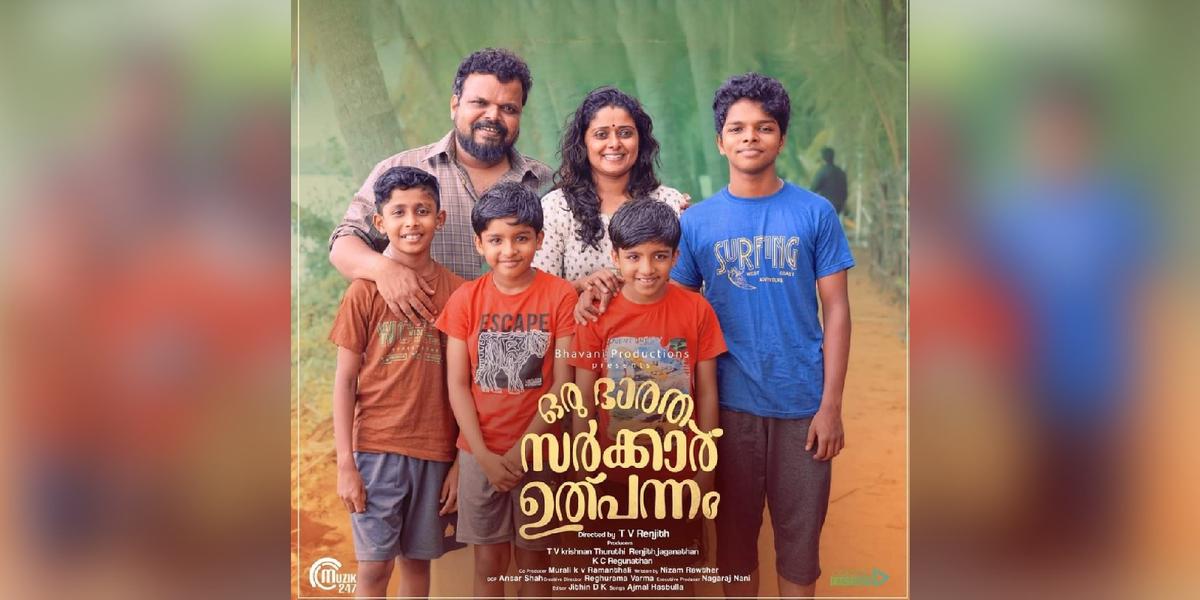
The Malayalam film Oru Bharatha Sarkar Ulpannam was retitled as Oru Sarkar Ulpannam (2024).
Intriguingly, titles incorporating ‘India’ or ‘Indian’ appear to face the most intense scrutiny. Tanuj Garg, producer and partner at Ellipsis Entertainment, recounted his own struggles with the Emraan Hashmi-starrer Cheat India (2019), which was only cleared for release after being renamed Why Cheat India. “The CBFC withheld certification, arguing that the word ‘cheat’ might be seen as normalizing malpractice within India. It felt less like a certification process and more like moral policing,’ stated Garg. He further noted, ‘This change unfortunately diluted the ironic punch of the original title, which served as a poignant social commentary on widespread corruption in the education system.’
The Complexities of Queer Representation on Screen
Apurva M. Asrani, the acclaimed writer and editor of the queer drama Aligarh, is all too familiar with title controversies. He remembers the mayor of Aligarh’s insistence on changing the film’s title, fearing that linking the city’s name with a gay protagonist would cast it in a negative light. “The same underlying ideology is at play with A Nice Indian Boy—the notion that ‘gay’ and ‘Indian’ are mutually exclusive,’ Asrani observed. He recounted how, during the television trailer’s clearance, they were instructed to mute the words ‘gay’ and ‘homosexual’ due to concerns about ‘children watching.’ For Asrani, this problem runs deeper than mere bureaucracy; it’s a cultural issue. He points out that even today, ‘gay’ is often used as a derogatory term. ‘If the term itself wasn’t stigmatized, I highly doubt anyone would object to its presence in film titles.’

Asrani recounts the mayor of Aligarh’s strong objection to the film’s original title.
The sheer absurdity of censorship is vividly portrayed in Varun Grover’s short film, Kiss, available on Mubi, which depicts a censor board’s demand to shorten a kissing scene between two men. This work feels less like satire and more like a stark documentary, highlighting how individual biases can effectively stifle artistic storytelling.
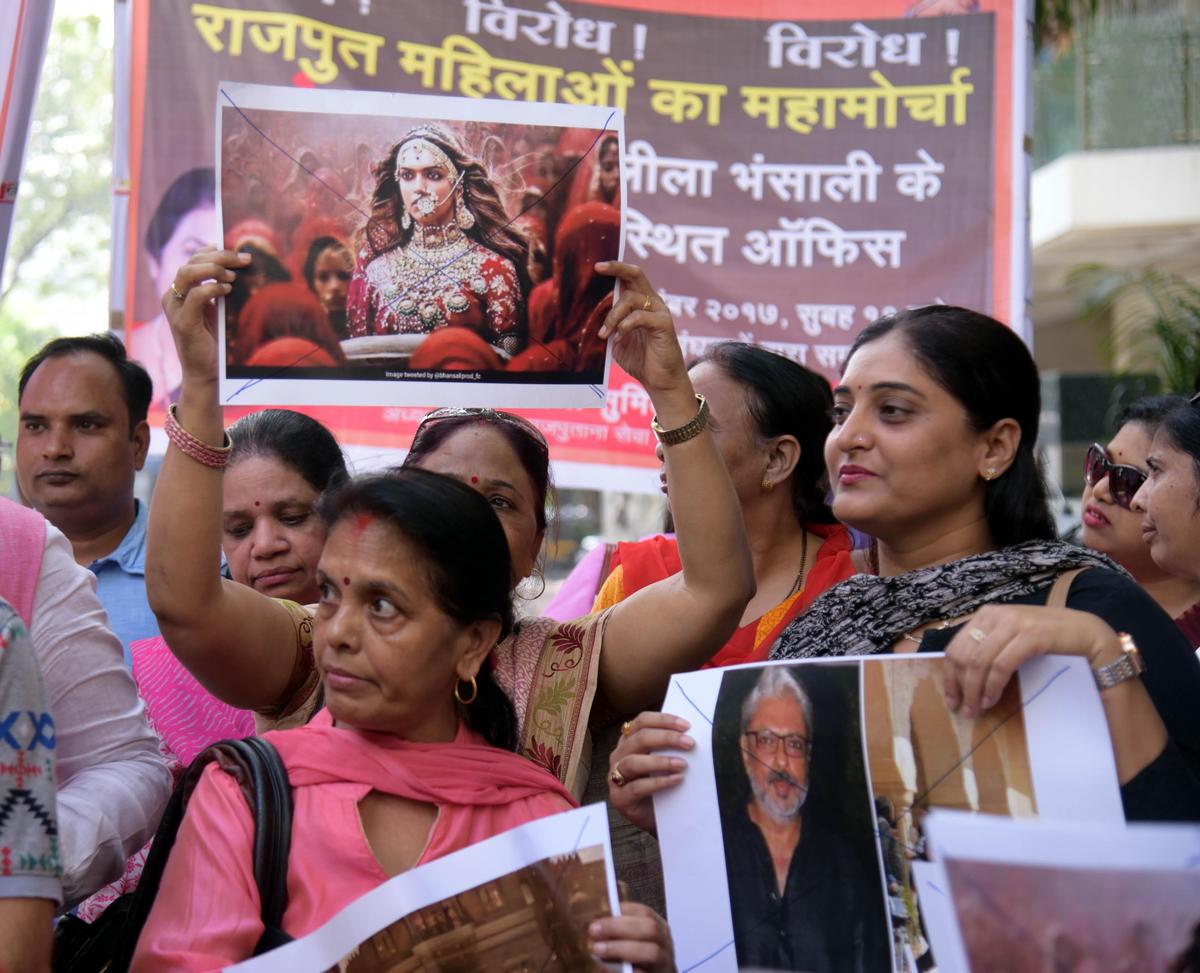
Activists from Akhand Rajputana Sevasangh protesting against the film Padmavati in 2017.
Jumani openly admits that this act of erasure continues to be unsettling. “While A Nice Indian Boy remains listed on Rotten Tomatoes and IMDb, its Indian release title, A Nice Boy, lacks a separate entry on these platforms. This regional tampering fundamentally fragments the film’s global identity,’ he explains. This observation gains even more weight when considering Rohan Kanawade’s queer drama, Sabar Bonda (Cactus Pears), a Marathi-language Sundance winner that enjoyed a successful, albeit limited, run in September. What’s particularly noteworthy is how Sabar Bonda sustains its momentum through an alternative distribution model: a ‘request a show in your city’ initiative, allowing audiences to organize local screenings via Kanawade’s Instagram. This raises a crucial question: could such innovative approaches be the future for independent queer films seeking to thrive?
Other Victims of Title Censorship
The Punjabi film Panjab ’95 continues to be entangled in a protracted censorship dispute since its initial submission by director Honey Trehan in 2022. Trehan vividly recalls the arduous process: “The original title was Ghalughara, meaning ‘massacre,’ which was immediately rejected. I was then forced to propose three more titles. After finally agreeing on Panjab ’95, they inexplicably developed cold feet.’ The board subsequently suggested Satluj, the name of a river. Despite this, Trehan stood his ground, recounting how the CBFC demanded a staggering 127 cuts.”
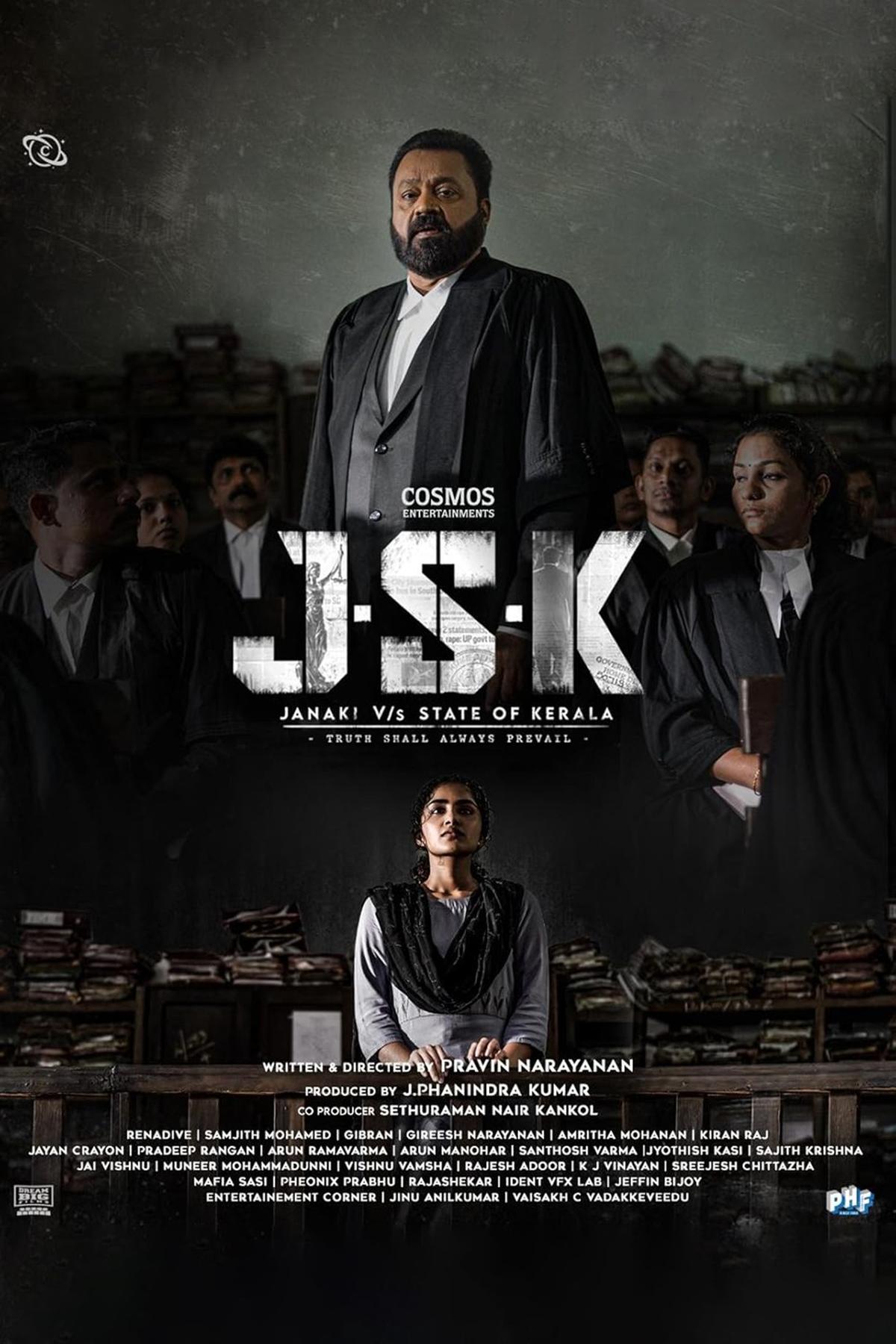
Janaki v/s State of Kerala eventually released as Janaki V v/s State of Kerala (2025).
“What the film should be called is unequivocally the director’s creative decision, intrinsically linked to the narrative itself. However, it becomes deeply concerning when the CBFC appears to enforce a majoritarian agenda,’ Trehan declared. He also highlighted the troubling silence surrounding Dibakar Banerjee’s dystopian drama, Tees (originally titled Freedom), which Netflix has indefinitely shelved.”
Even film producers, typically seen as pragmatic mediators within the industry, are observing this worrying pattern. ‘When titles are forcibly altered by those who lack an understanding of the creative intent, it inevitably creates a disconnect with the audience,’ explained producer and distributor Girish Johar. Regarding A Nice Indian Boy, he commented, ‘The censor board clearly aimed to sever any association between Indian identity and queerness.’
The Devil in the Details: Unpredictable Censorship Patterns
Insights from CBFC Watch, a comprehensive database compiled by developers Aman Bhargava and Vivek Matthew, tracks censorship data for nearly 18,000 films released between 2017 and 2025. This data reveals a clear pattern: approximately 65 cases involved substantial modifications to film titles. Bhargava noted that the interpretations are “highly contextual,” explaining that “no single rule is applied uniformly across cases, making predictive patterns incredibly challenging.”
The CBFC Watch project meticulously gathered information from the E Cinepramaan portal, the CBFC’s official online certification system, which had publicly published cut lists since 2017. However, just a few months ago, the board subtly disabled automated data collection from this portal. Bhargava states this move has severely hindered the ability to effectively monitor censorship trends. While cuts can still be observed by scrutinizing censor certificates displayed before films in theaters or on public notice boards, the data that could be gathered still indicated modifications to specific words used in potentially sensitive or negative contexts.
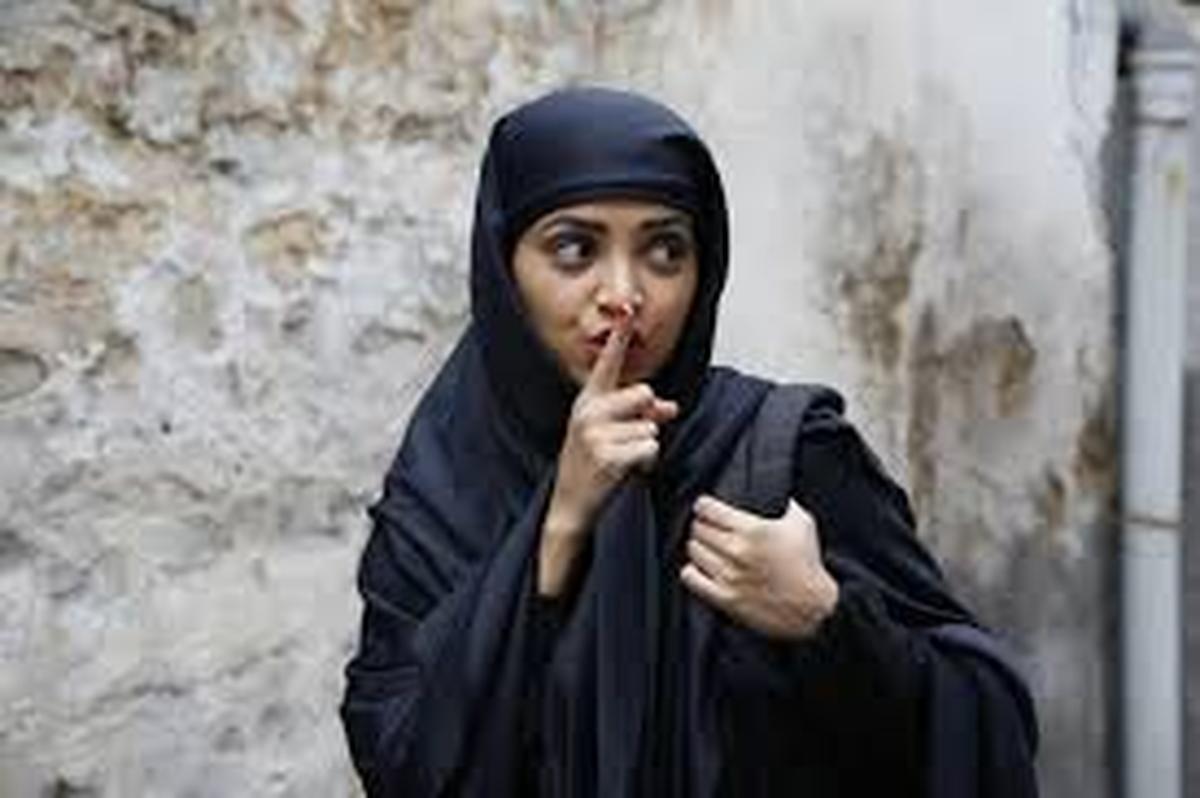
A still from Lipstick Under My Burkha.
The unpredictable nature of the board’s decisions is now compelling filmmakers to engage in pre-emptive self-censorship. ‘Certain titles are known to provoke the CBFC, leading filmmakers to proactively select titles that are less likely to face cuts from the censors,’ explained Johar.
“Today, filmmakers must appeal directly to the High Court—an expensive and time-consuming process. It has become easier to comply than to contest.”
— Pahlaj Nihalani, Former CBFC Chairperson
The Rise of Self-Censorship: Complying vs. Contesting
The discomfort surrounding specific words is not a recent phenomenon. In 2017, Sanal Kumar Sasidharan’s Malayalam indie horror film, Sexy Durga, was only approved after being controversially retitled S Durga. Former CBFC chairperson Pahlaj Nihalani defended such rulings, asserting, ‘If a title’s provocative nature has the potential to incite conflict or offend public sentiment, the board is obligated to propose a change.’
Historically, the Film Certification Appellate Tribunal (FCAT) served as a critical appellate body for challenging CBFC decisions. It notably paved the way for the 2016 feminist drama Lipstick Under My Burkha to be released with only minor cuts. However, this tribunal has since been dissolved. Nihalani, commenting on the absence of this layer of accountability, states, ‘Today, filmmakers are forced to appeal directly to the High Court—a process that is both expensive and protracted. Consequently, many find it more pragmatic to comply with the board’s demands rather than to contest them.’
This article was penned by a Mumbai-based freelance journalist.