
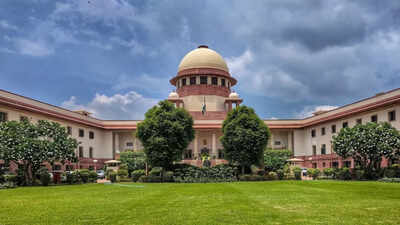
In a crucial development, the Supreme Court has issued an eight-week ultimatum to all states and Union Territories, requiring them to report on the implementation of student mental health guidelines. This decisive action by the Court is a direct response to the alarming rise in student suicides, which has cast a harsh light on the inadequate emotional support systems within educational institutions and coaching centers. Justices Vikram Nath and Sandeep Mehta have also directed the Central government to submit its own compliance report within the same timeframe, detailing the concrete steps taken to translate these vital guidelines into practice. The Court is set to revisit the matter in January 2026, putting immense pressure on authorities to demonstrate tangible progress and ensure these reforms move beyond mere paperwork.
A National Call to Action for Every Campus
This recent directive is a direct consequence of a disturbing increase in student suicides, which the Court views as a stark indicator of a pervasive mental health crisis affecting young students across the nation. In a landmark verdict on July 25, the Supreme Court had already laid out 15 comprehensive guidelines designed to prevent such heartbreaking incidents and foster more secure and supportive educational environments. The bench emphasized that India currently lacks a cohesive legal and regulatory structure for student mental health and suicide prevention. Therefore, these judicial guidelines will remain in effect, serving as a critical framework until a dedicated national law is enacted by the government.
Coaching Centers Face Heightened Scrutiny
Private coaching centers, traditionally considered gateways to India’s highly competitive exams, are now facing rigorous examination. The Supreme Court has mandated that all such establishments must register with state authorities and adhere to strict regulations concerning student protection and grievance resolution. The July 25 verdict explicitly instructed states and Union Territories to finalize these rules within two months, ensuring that no coaching center can operate without official registration. Furthermore, these centers are now required to implement robust mental health support systems, offer regular counseling, and grant students adequate breaks, including festival leaves, to alleviate academic burnout. This initiative stems from profound concerns over suicides among students preparing for exams like NEET and JEE, especially in hubs like Kota, where countless young lives are tragically cut short each year due to intense academic stress. The Court’s order signifies a pivotal shift: student mental health is no longer merely an ethical concern but a binding legal responsibility for every institution shaping India’s future.
Laying the Groundwork for Systemic Change
The Supreme Court has mandated that all educational institutions adopt a standardized mental health policy. This policy, according to the Court, should integrate principles from the Ministry of Education’s Ummeed and Manodarpan initiatives, alongside insights from the National Suicide Prevention Strategy. The Court further stipulated that this policy must be reviewed and updated annually, and made readily available to the public on institutional websites and notice boards. Additionally, states were instructed to establish comprehensive registration and grievance redressal mechanisms for all private coaching centers. These centers, which cater to millions of students annually, have frequently been criticized for fostering high-pressure environments that contribute significantly to burnout, stress, and depression among students.
Accountability: Centre and States Under Close Watch
During the most recent hearing, it was noted that the Central government was previously ordered to submit a compliance affidavit within 90 days of the July ruling. On Monday, the Court expanded this obligation, extending the same rigorous reporting requirement to all states and Union Territories. The directive further specifies that each state and UT must be named as a respondent in the matter, ensuring that their individual progress reports are submitted directly to the Court. These reports will undergo judicial scrutiny after eight weeks, with the subsequent hearings scheduled for January 2026.
Insights from Ummeed and Manodarpan: A Blueprint for Support
Drawing from its prior observations, the Court highlighted the Ummeed guidelines, introduced by the Ministry of Education in 2023. Ummeed, an acronym for Understand, Motivate, Manage, Empathise, Empower, and Develop, offers schools a comprehensive framework for identifying signs of student distress and intervening with support before issues intensify. The Court also acknowledged Manodarpan, a mental health and well-being program initiated during the COVID-19 pandemic to provide counseling and emotional assistance to both students and educators. The Supreme Court emphasized that these established models should serve as the cornerstone for a sustainable mental health framework across all educational settings. While the Centre has made some advancements, the Court stressed that it is now imperative for states to translate these policies into tangible, on-the-ground action.
The Urgent Need for Change: Why This Matters
The Supreme Court’s mandate is driven by undeniable urgency. Statistics reveal a grim reality: over 13,000 students in India died by suicide in 2023, marking one of the highest figures in recent history. A significant number of these tragedies are directly attributed to intense exam pressure, feelings of isolation, and insufficient mental health support within schools and coaching centers. The Court’s strict eight-week deadline serves as a powerful signal to authorities, demanding immediate and decisive action. Mental health professionals are optimistic that this directive could finally pave the way for a much-needed, structured approach to student well-being across India.
The Path Forward: A Vision for Student Mental Health
As the case returns to court in January 2026, both state and central governments will be expected to present concrete evidence of progress, moving beyond mere declarations and promises. This upcoming hearing holds the potential to lay the foundation for India’s first-ever national law dedicated to student mental health and suicide prevention. Until then, the responsibility rests collectively with schools, universities, and coaching centers to actively ensure that every student feels acknowledged, supported, and heard.