
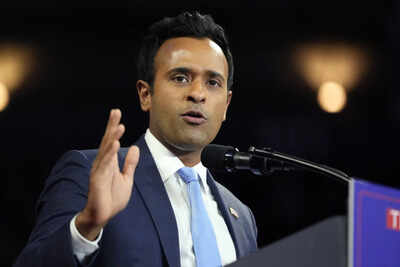
Image: Ramaswamy discusses US immigration, H-1B, and education policies.
During a recent event at Montana State University, Vivek Ramaswamy laid out his comprehensive vision for U.S. immigration and the H-1B visa program. His core message was clear: American workers must always be the top priority. He argued that the existing system frequently prioritizes foreign labor, inadvertently disadvantaging talented U.S. citizens. For Ramaswamy, the purpose of legal immigration should be to benefit those who already reside and contribute to the country.
Ramaswamy further articulated that immigration reform isn’t just an economic issue; it’s deeply tied to our nation’s social well-being. He insisted that any changes must actively safeguard domestic jobs, reinforce community strength, and equip the American workforce to meet future challenges head-on.
Legal Immigration: An “Americans First” Philosophy
Ramaswamy steadfastly believes that all immigration policies should primarily benefit current U.S. residents. He sharply criticized existing regulations, claiming they often overlook the vital interests of American workers. According to Ramaswamy, reforms should be designed to fortify the national workforce, generate new opportunities for citizens, and align with broader national objectives, rather than simply fulfilling foreign labor quotas.
He also highlighted the pressing issue of illegal immigration, noting the millions who have entered the country without authorization. Ramaswamy asserted that robust border security and rigorous law enforcement are non-negotiable first steps. Only after these foundational measures are in place, he argued, can legal immigration reforms truly be effective and serve the nation’s best interests.
Embracing a Merit-Based Immigration System
Furthermore, Ramaswamy advocated for a comprehensive merit-based immigration system. Under his proposal, immigrants would be chosen based on their valuable skills, educational qualifications, and proven capacity to contribute positively to the U.S. economy. He emphasized that this approach not only recognizes and rewards talent and dedication but also guarantees that immigration enriches the nation without displacing existing domestic workers. He stressed that simply meeting minimal entry criteria is insufficient.
Such a merit-driven system, Ramaswamy explained, would also incentivize immigrants to achieve success while establishing fair and transparent legal pathways. This, in turn, would ensure that the American workforce benefits from individuals who can genuinely address labor market needs and make significant contributions to society.
Advocating for Increased H-1B Visa Fees
Ramaswamy expressed strong support for recent initiatives to increase H-1B visa fees, potentially to as high as $100,000. He contended that such elevated fees would enhance employer accountability, compelling them to meticulously evaluate their need for foreign workers before hiring. This measure, he believes, is crucial to prevent the misuse of the H-1B program.
He described the proposed policy as “reasonable,” asserting that it would require companies to “put their money where their mouth is.” Only employers with a genuine and pressing need for specialized foreign talent, he suggested, would be willing to pay these higher costs. This strategy aims to deter companies from using visas merely as a means to reduce labor expenses or circumvent the availability of qualified domestic professionals.
Ramaswamy underscored the importance of aligning immigration reforms with national workforce priorities. He reiterated that legal immigration should strategically fill specific labor market shortages, not serve as a replacement for American workers. The combination of increased H-1B fees and stringent selection criteria, he argued, would ensure that foreign talent is only brought in when absolutely essential, thereby safeguarding domestic jobs while thoughtfully balancing the needs of businesses and U.S. citizens.
Selecting Immigrants Who Uphold American Values
In his view, immigrants entering the U.S. should demonstrate a strong work ethic, adhere strictly to the law, and embrace fundamental American ideals. He posited that legal immigration pathways should preferentially welcome individuals who exhibit commitment and respect for U.S. regulations and societal norms.
Ramaswamy believes this approach guarantees that immigrants contribute more than just economic benefits; they actively enrich communities and reinforce shared national values. Within this framework, immigrants would seamlessly support both societal cohesion and critical workforce demands.
Key Takeaways from Ramaswamy’s Immigration Stance
Ramaswamy’s core message regarding immigration is unequivocal: legal immigration, including the crucial H-1B program, must fundamentally serve the interests of Americans first. He deems a merit-based selection system to be indispensable, alongside a firm commitment to addressing and resolving illegal immigration.
He advocates for immigrants who are dedicated to hard work, respect the rule of law, and genuinely embrace American values. Furthermore, employers must be held accountable for their hiring practices, and robust civic education is necessary to ensure an informed and engaged citizenry.
Ultimately, Ramaswamy frames immigration reform as a multifaceted challenge with significant economic and social dimensions. He argues that policies must be meticulously crafted to bolster the national workforce, uphold and reinforce societal values, and rigorously protect the interests of all Americans.