
The Central Board of Secondary Education (CBSE) has unveiled significant reforms for the upcoming Class 10 and Class 12 examinations in 2026. This marks a pivotal moment, ushering in a transformative era for India’s school education system.
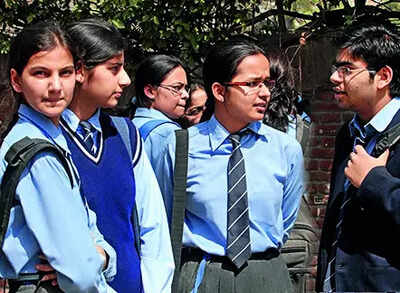
Aligning with the National Education Policy (NEP) 2020, the board is shifting its focus from mere memorization to fostering competency-based learning, analytical reasoning, and a more comprehensive, holistic evaluation approach. Across the nation, schools are now challenged to not only revamp their teaching methodologies but also to upgrade their entire institutional framework to meet these demanding new standards.
At the core of the CBSE 2026 vision is an emphasis on cultivating critical thinking and practical application. The era of traditional, lecture-heavy classrooms is drawing to a close. Educators are now tasked with crafting lessons that spark lively discussions, encourage innovative problem-solving, and provide rich experiential learning opportunities. Students will no longer be judged solely on their ability to recall facts; instead, their capacity to truly understand, analyze, and apply knowledge in real-world scenarios will be paramount. Schools must actively cultivate environments that prioritize inquiry, collaboration, and sharp analytical reasoning across every subject.
Internal Assessments: A New Era of Evaluation
One of the most profound changes introduced is the significantly increased weightage of internal assessments, which will now play a substantial role in determining final marks. Schools are mandated to implement well-structured, meaningful projects, assignments, and regular periodic evaluations. Every assessment must be meticulously documented, transparent, and directly tied to clear, competency-based learning objectives. This crucial shift ensures that students’ consistent effort and overall development throughout the academic year are properly recognized and rewarded, moving beyond a sole reliance on high-stakes final examinations.
Stricter Operational Norms and Attendance Protocols
The CBSE 2026 reforms also introduce more stringent operational requirements. To be eligible for board examinations, students must maintain a minimum of 75% attendance. Furthermore, examination halls will now be equipped with CCTV cameras to bolster security and maintain the integrity of the examination process. Schools are also expected to thoughtfully accommodate students who participate in significant national or international sports events, Olympiads, or other official commitments, offering flexible exam schedules without compromising fairness for any student.
Investing in Infrastructure and Teacher Development
Modern infrastructure and a highly prepared faculty are now considered indispensable. Schools must commit to upgrading their physical classrooms, integrating advanced digital learning tools, and providing ongoing, comprehensive teacher training programs. This training is essential to align educators with the new competency-based pedagogy. Faculty members need to be proficient not just in innovative teaching methods but also in sophisticated assessment strategies that accurately reflect analytical and application-based evaluation.
Embracing Special Considerations and Inclusive Education
A strong emphasis on inclusivity is a cornerstone of CBSE 2026. Educational institutions are now required to provide robust support for students with special needs and those who manage rigorous extracurricular schedules. This includes implementing flexible scheduling, maintaining thorough documentation, and developing adaptive administrative plans to ensure that all students receive equitable opportunities to thrive and succeed.
A Defining Moment for Indian Education
The CBSE 2026 reforms are far more than just an update to examination policies; they represent a fundamental, systemic overhaul of teaching, evaluation, and school management across India. Educational institutions that wholeheartedly embrace these changes will be instrumental in cultivating a generation of critical thinkers, agile problem-solvers, and adaptable learners — individuals who are exceptionally well-prepared for the complexities of higher education and the demands of modern careers. Conversely, those institutions that hesitate or delay their adaptation risk falling behind significantly in both academic excellence and their overall institutional standing.