
The budget smartphone market is a fascinating space, catering not only to entry-level buyers seeking better features on a slightly larger budget but also to first-time smartphone users eager for maximum value. Manufacturers face a constant challenge to innovate within tight cost constraints, often by making small compromises here and there.
However, Motorola’s new Moto G96, the successor to last year’s Moto G85, appears to defy this trend. It seems Motorola has managed to integrate new features and retain desirable aspects of the G85 without cutting corners, positioning it as an ideal all-rounder for budget-conscious users. Let’s delve deeper to understand why.
Moto G96 Design
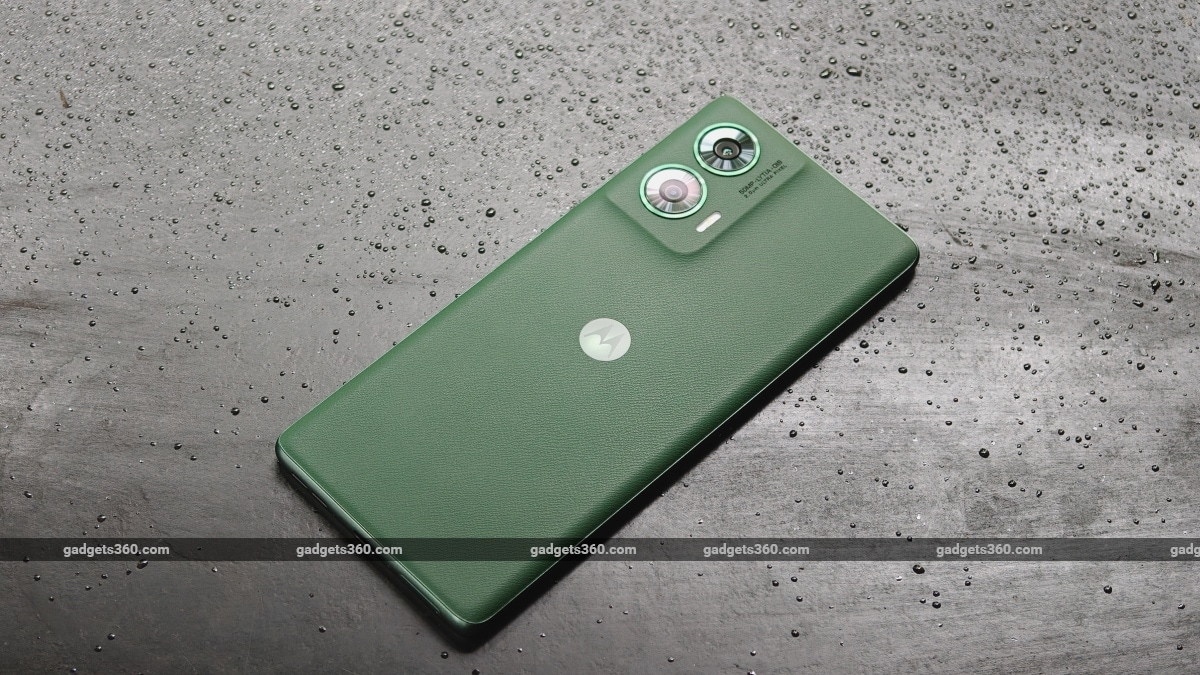
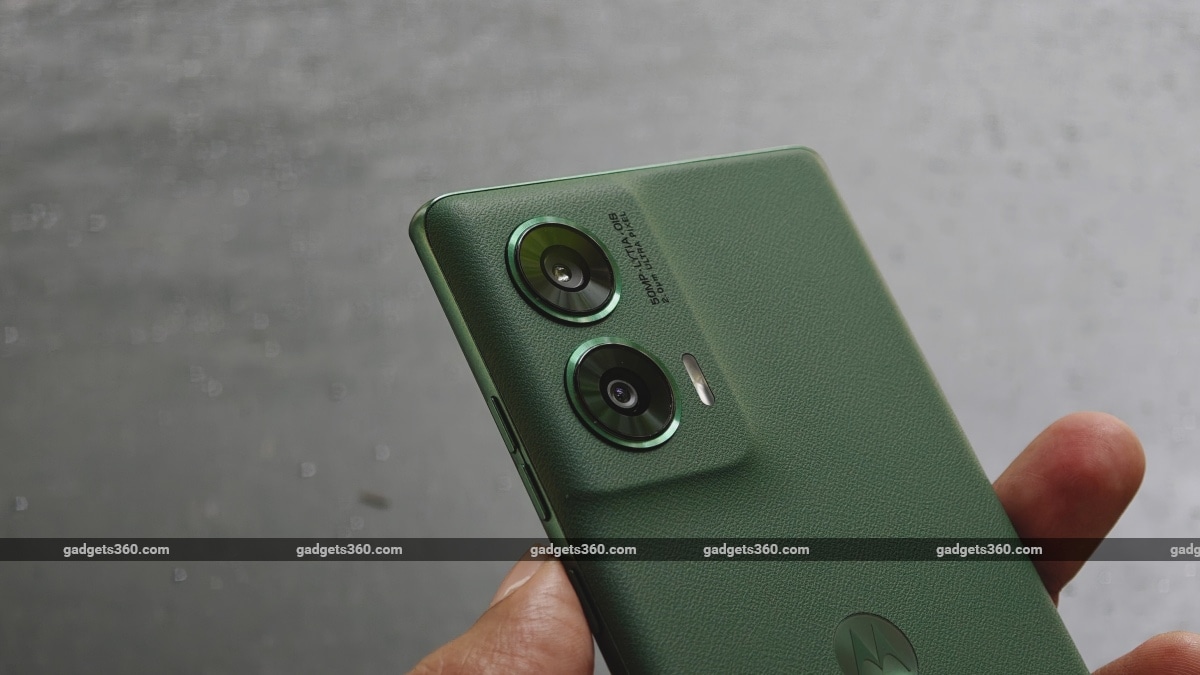
Motorola has largely stuck to the successful design philosophy of “if it isn’t broken, don’t fix it” for the Moto G96. Its aesthetic is nearly identical to the Moto G85, albeit slightly thicker (7.6mm to 7.9mm) and a touch heavier at 178 grams. Despite these minor changes, the phone maintains a slim and light feel, thanks to its curved-edge front and rear panels. The chassis and mostly flat sides are crafted from polycarbonate.
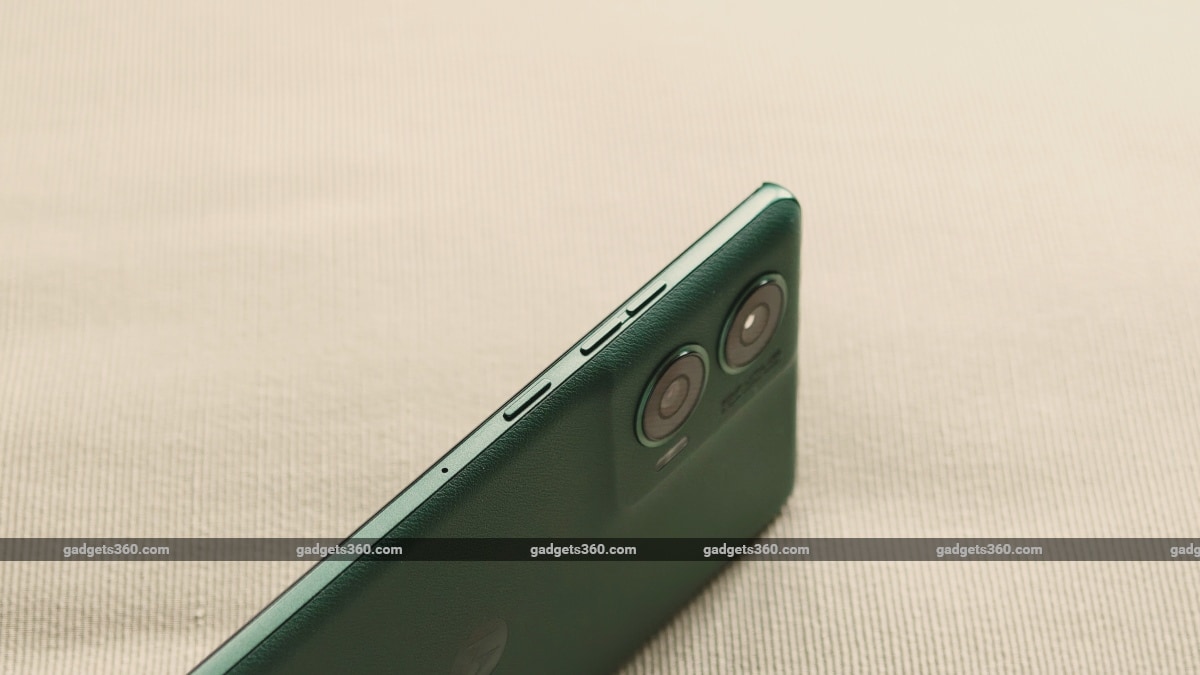
The “Greener Pastures” color variant features a vegan leather back, which improves grip and adds to its ergonomic feel. This faux leather, predominantly silicon-based, offers a soft touch yet robust durability against daily wear and tear.
A significant upgrade in the Moto G96’s familiar design is its new IP68 rating for dust and water resistance, a rare and welcome feature at this price point. While this adds a layer of protection, it’s always wise to avoid intentionally testing its limits, as water damage is typically not covered under warranty.
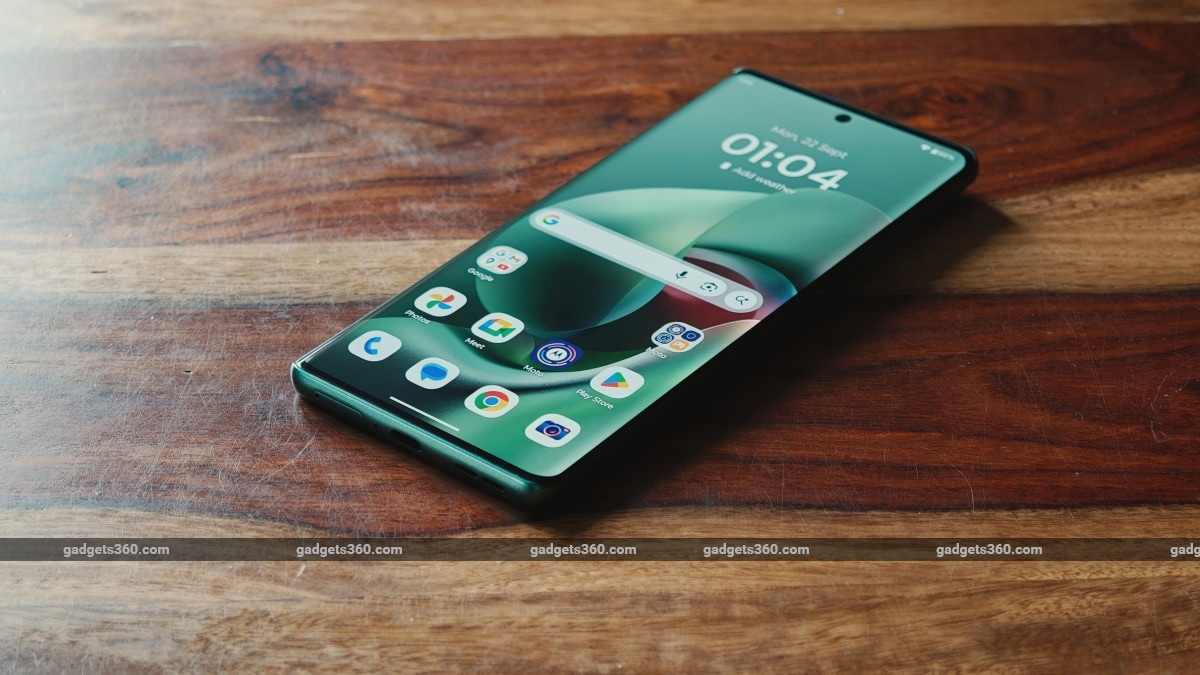
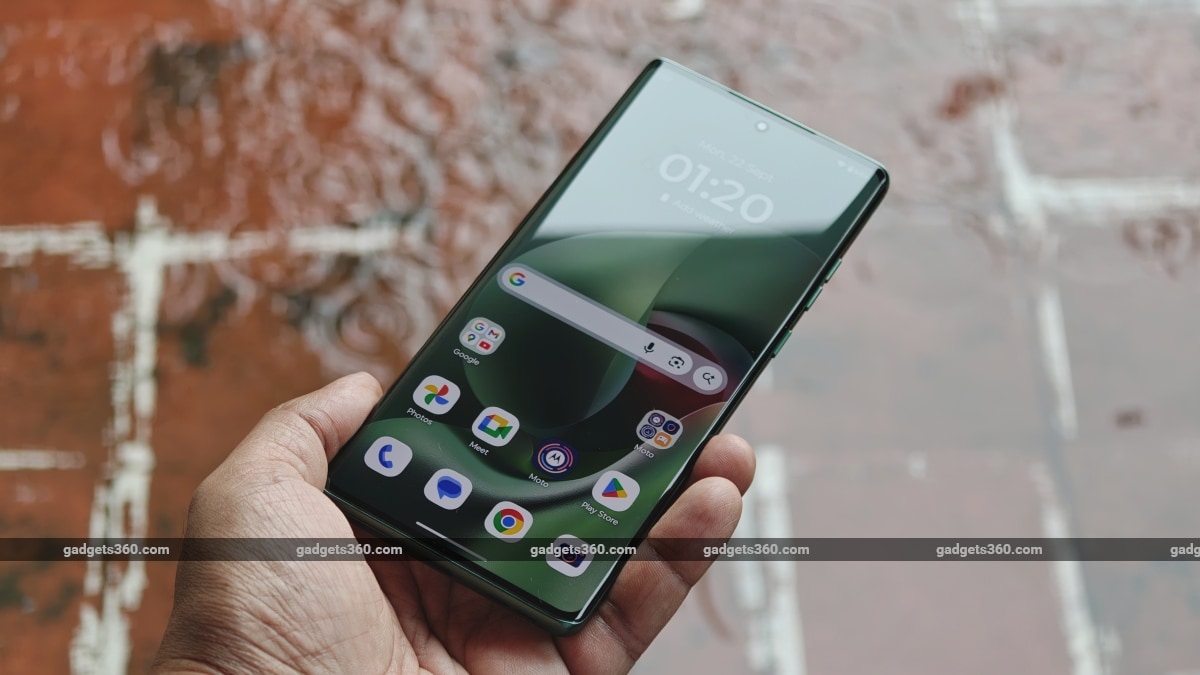
The device retains the 20:9 aspect ratio and a 6.67-inch curved-edge pOLED panel from last year. This display curves aggressively on the sides, giving the device a more premium, borderless appearance, though these curves are purely cosmetic and offer no additional functionality.
Moto G96 Performance
Motorola advertises a peak brightness of 1,600 nits, which the display capably delivers even under direct sunlight, ensuring excellent outdoor visibility. By default, colors tend to be slightly oversaturated in the Vivid setting, so switching to the Natural preset offers a more true-to-life color reproduction.
The new Moto G96 features a modern 4nm Qualcomm Snapdragon 7s Gen 2 processor, a more efficient upgrade compared to the 6nm Snapdragon 6s Gen 3 found in its predecessor. It uses LPDDR4X RAM but maintains the UFS 2.2 storage standard from the older model.
While using Motorola’s Hello UI, we observed no noticeable lag. However, a significant drawback is the company’s commitment to only one year of guaranteed software updates and three years of security patches. Since Hello UI is currently based on Android 15, it’s likely to receive just one major OS upgrade to Android 16. For users prioritizing long-term software support, alternatives like Samsung’s Galaxy M36, which offers six years of software and security updates, might be a more appealing option.
A peculiar aspect of the software experience is the presence of two pre-installed PDF reader apps, six games, and a total of eleven third-party applications. Fortunately, all these can be uninstalled, leaving behind a suite of useful Moto-branded apps. Moto AI is absent, but users can access Google Gemini, and Perplexity AI is also preinstalled, though not as deeply integrated as Gemini for daily queries.
| Benchmarks | Moto G96 | Samsung Galaxy M36 | Realme P3 Pro |
|---|---|---|---|
| Display resolution | FHD+ | FHD+ | 1.5K |
| Chipset | Qualcomm Snapdragon 7s Gen 2 (4nm) | Exynos 1380 (5 nm) | Snapdragon 7s Gen 3 (4nm) |
| AnTuTu v10 | 7,66,690 | 6,00,808 | 8,42,381 |
| PCMark Work 3.0 | 14,809 | 14,358 | 13,816 |
| Geekbench 6 Single | 1,008 | 1,015 | 1,185 |
| Geekbench 6 Multi | 2,907 | 2,976 | 3,209 |
| GFXB T-rex | 100 | 95 | 60 |
| GFXB Manhattan 3.1 | 45 | 43 | 39 |
| GFXB Car Chase | 23 | 23 | 21 |
| 3DM Slingshot Extreme OpenGL | 4,829 | 4,683 | 5,405 |
| 3DM Slingshot | 6,297 | 5,813 | 6,871 |
| 3DM Wild Life | 3,010 | 2,718 | 4,101 |
| 3DM Wild Life Unlimited | 3,065 | 2,676 | 4,183 |
In terms of raw performance, the Moto G96 demonstrated impressive stability in PCMark’s Wild Life Stress and Wild Life Extreme Stress tests. Daily app multitasking was smooth, and gaming was generally fluid. While it may not flawlessly run highly demanding titles like Genshin Impact at its budget price, games like Call of Duty: Mobile performed well at medium graphics settings without noticeable hiccups, making it suitable for mid-level gaming.

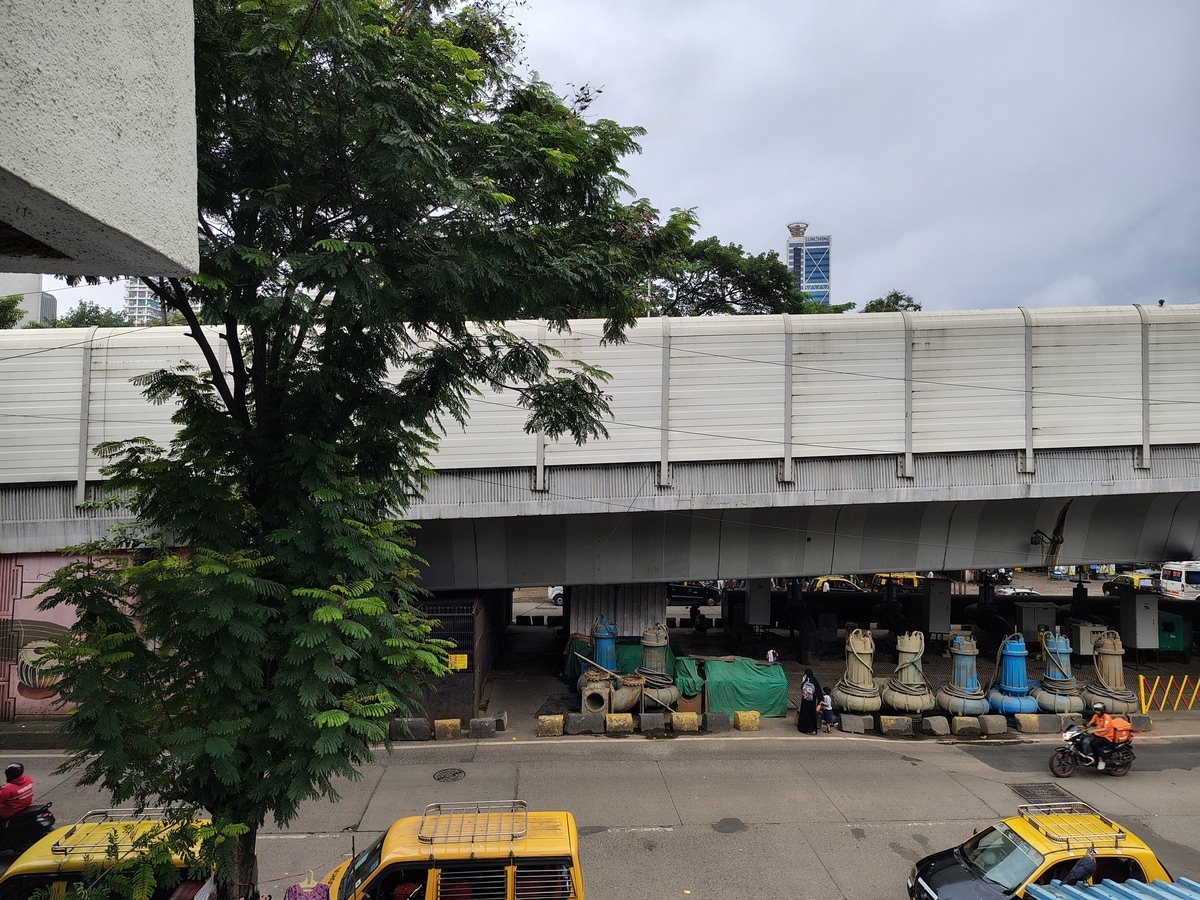
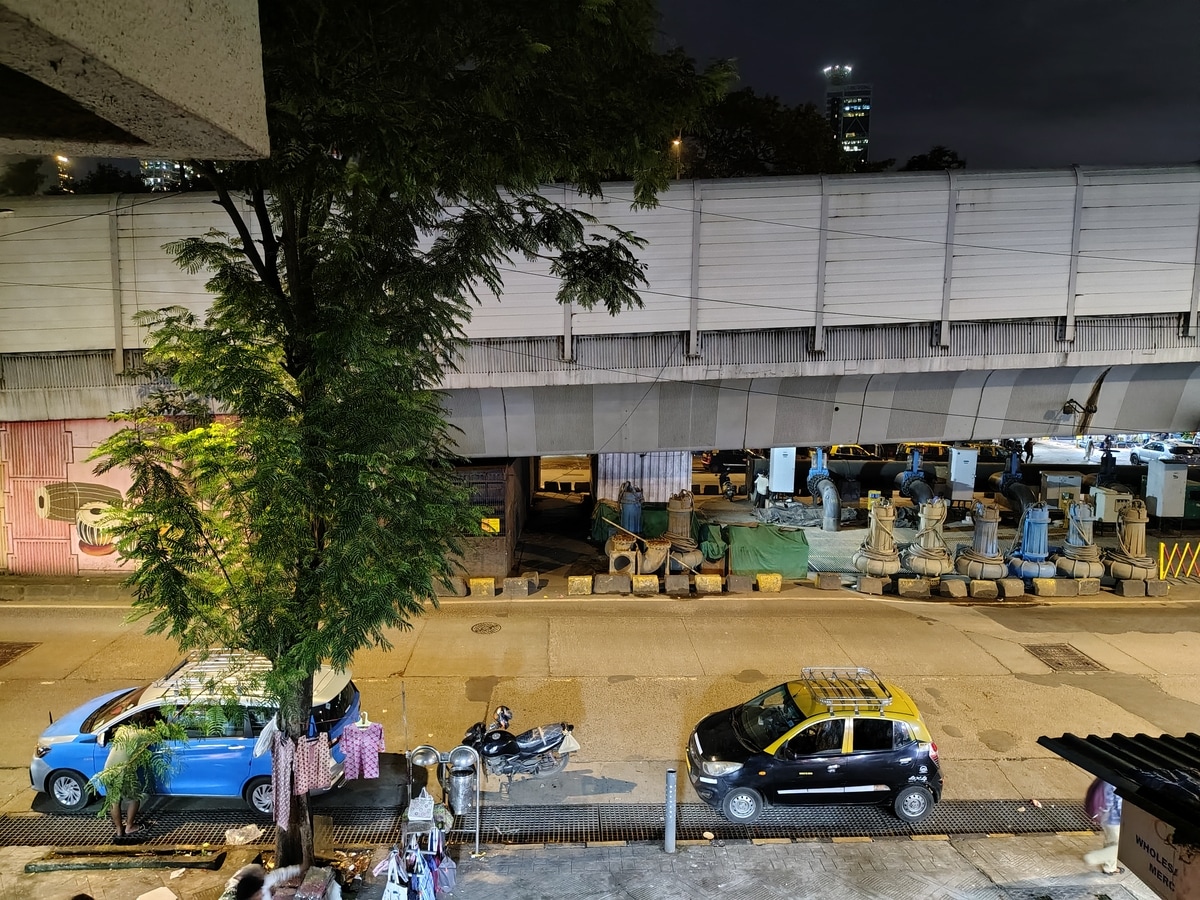

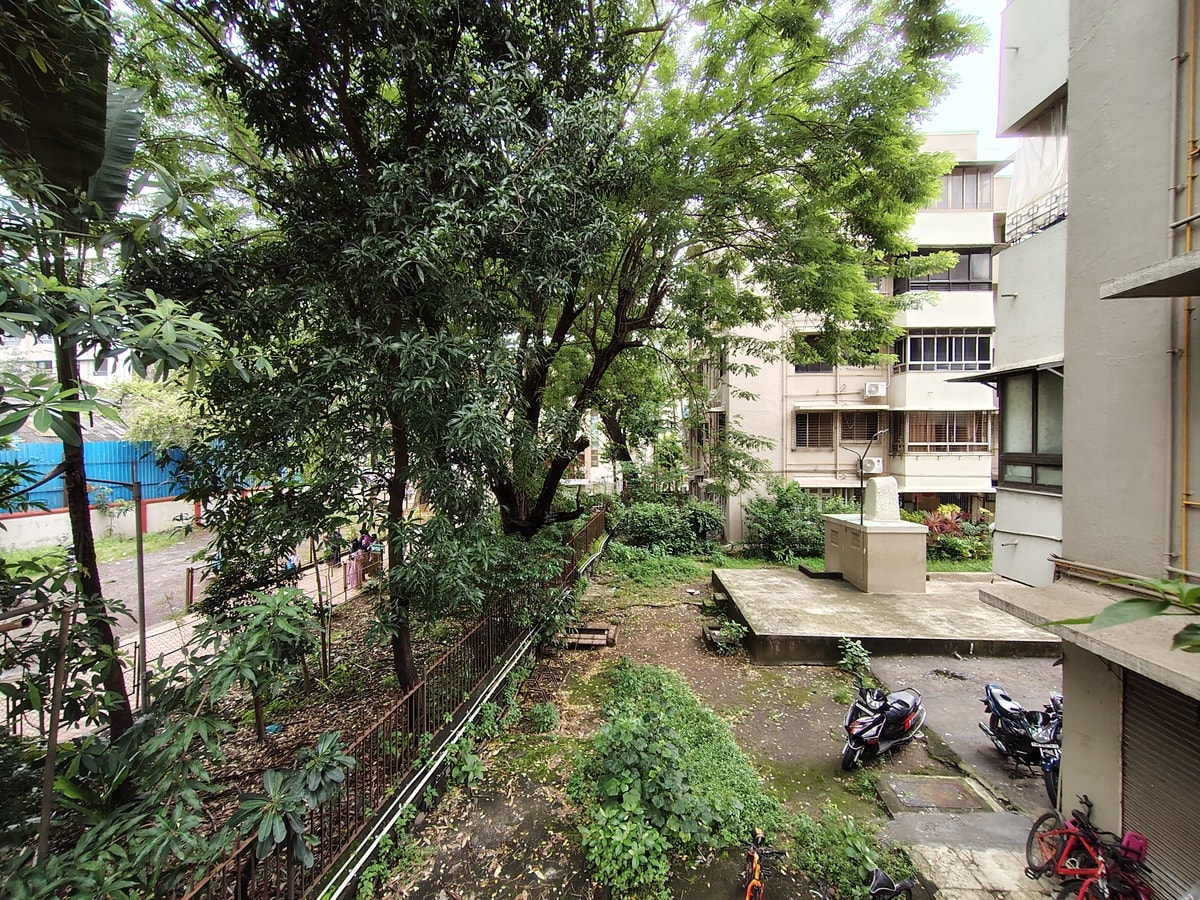

While the primary camera is generally better for close-ups than the dedicated macro mode, it sometimes struggled with focusing on subjects approximately 20 centimeters away. 4K video recording at 30fps offers the best overall quality with decent stabilization, though footage can appear slightly contrasty and details a bit soft. When shooting at 1080p at 60fps in daylight, a noticeable focus hopping occurs, which exacerbates in low light. Overall, video frame rates were inconsistent, and noise is quite prominent in low-light recordings.
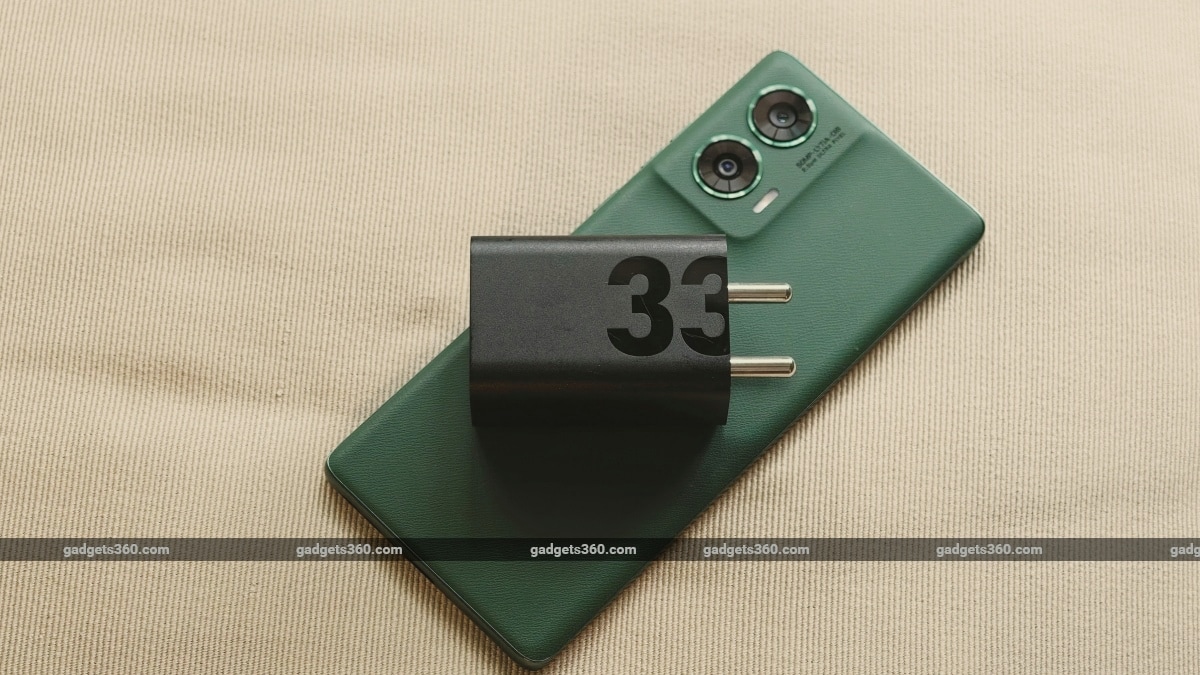
The PCMark Work Battery Life test, simulating everyday tasks, recorded a respectable 12 hours and 1 minute. Our video loop test yielded an even more impressive 24 hours and 31 minutes, outperforming the Moto G85’s 21 hours and 14 minutes. In real-world usage, the smartphone comfortably lasted beyond a full day with an hour of gaming, several hours of video streaming, and typical social media browsing, mostly on 5G networks. Charging speed remains at 33W, achieving a full charge in 1 hour and 18 minutes, with 44 percent reached within the first 30 minutes.
Moto G96 Verdict
Despite a few minor drawbacks, the Moto G96 truly excels in delivering exceptional value, performance, and style, a rare combination in its price bracket. Its compromises include a limited software support window and some pre-installed third-party applications, though all can be uninstalled. Considering the lack of expandable storage, opting for the 256GB storage variant is a sensible choice.
Finding a new smartphone as capable and uncompromised as the Moto G96 at this price point is challenging. However, if available, the slightly older Realme P3 Pro (now succeeded by the P4 Pro) remains a strong alternative. It offers a capable camera, superior battery life, and other compelling features at around Rs. 17,999, matching the G96’s price. While its launch pricing might have seemed less appealing, its current trimmed-down price makes it a worthy contender today.