
Imagine an invisible, scentless gas that’s a major part of natural gas but packs an incredible punch when it comes to trapping heat in our atmosphere. That’s methane, or CH4. Over a two-decade period, methane can trap approximately 84 times more heat than carbon dioxide (CO2), the greenhouse gas we usually hear about, largely emitted from burning fossil fuels. The crucial distinction lies in their atmospheric lifespan: methane typically dissipates within about 12 years, while CO2 persists, warming the planet for centuries. This makes CO2 the primary long-term driver of climate change, but methane, despite its shorter existence, is incredibly potent, contributing to roughly 20-30% of global warming since the Industrial Revolution began.
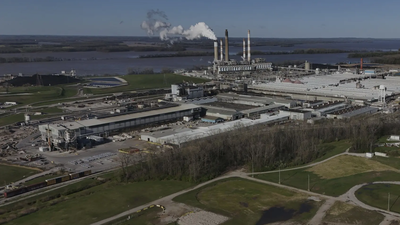
Where Does Methane Originate?
While natural processes are responsible for some methane emissions, such as those from wetlands, human activities account for a significant 60% of the methane released into our atmosphere. Wetlands, for example, contain permafrost—frozen ground rich in carbon from ancient plants and animals. As global temperatures increase, this permafrost thaws, releasing stored carbon as both CO2 and methane.
However, the majority of methane emissions are linked to human endeavors. This includes agriculture, notably from livestock like cows (through their digestion and manure), decaying waste in landfills, and most significantly, the energy sector.
How Does the Energy Industry Contribute to Methane Emissions?
A vast majority of the world’s energy needs are met by burning fossil fuels like coal, oil, and natural gas. The oil and gas industries are significant contributors to methane emissions. This potent greenhouse gas escapes into the atmosphere during various stages, from the initial production and extraction to the transportation and storage of these fossil fuels.
Methane leaks can occur unintentionally, often due to faulty, corroded, or damaged equipment, or even something as minor as a loose fitting. Another source is ‘gas flaring,’ where operators intentionally burn off natural gas associated with oil production. While flaring converts methane into CO2, raw methane can still be released during this process. Additionally, ‘venting’ involves the direct release of small quantities of natural gas into the atmosphere. Companies often resort to flaring and venting when it’s economically unviable to process and transport small volumes of gas extracted alongside oil, or for critical safety reasons, such as preventing dangerous pressure build-ups.
Strategies for Reducing Methane Emissions
The good news is that reducing methane emissions can often be surprisingly straightforward. The International Energy Agency suggests that oil and gas companies could cut their methane emissions by an impressive 75% simply by effectively identifying and repairing leaks. This essentially involves better “plumbing” and upgrading outdated or malfunctioning equipment.
Recognizing this potential, the European Union implemented a regulation last year compelling fossil fuel companies to regularly monitor, report, and decrease their methane output. Under this rule, any detected leak must be repaired within 15 working days. Furthermore, the regulation largely prohibits routine flaring and venting. Venting is now only permitted in genuine safety emergencies, while flaring is restricted to situations where it’s technically impossible to re-inject the natural gas back into the ground or transport it elsewhere.