
Mass Layoffs at US Education Department Jeopardize Student Programs: What’s at Stake?
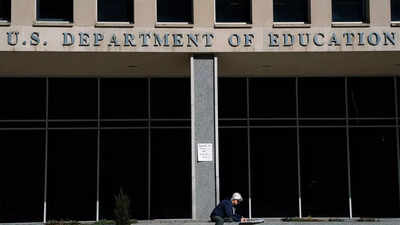
As the United States grapples with the possibility of another government shutdown, the Department of Education has initiated a concerning wave of layoffs. Over 460 staff members across six of its seventeen crucial offices have received termination notices. These significant reductions specifically target personnel responsible for managing vital grant programs, including Title I, which supports low-income students, and the Individuals with Disabilities Education Act (IDEA) grant programs.
The sheer scale of these proposed cuts has ignited alarm among current and former employees, lawmakers, and education advocacy groups. They warn that such widespread dismissals could severely cripple the department’s ability to effectively manage grants, respond to inquiries, monitor compliance, and collect essential program data, thereby undermining crucial educational support systems nationwide.
A Halt in Proceedings, For Now
Fortunately, on October 15, 2025, a federal judge intervened, temporarily halting the layoff plan. This injunction provides a window for a legal challenge against these shutdown-era staff reductions to proceed. Despite this temporary reprieve, the Trump administration has signaled its intention to press forward with the reductions. The original plan slated affected employees’ last day for December 9, 2025. Significant uncertainty looms over whether these staff members would be reinstated if the government shutdown concludes before that date, or if critical programs might be shifted to other federal agencies.
Education Secretary Linda McMahon has publicly defended the layoffs, characterizing the department as “unnecessary” and reassuring the public that future funding would remain unaffected. However, critics argue that this move could be a strategic loophole. By deliberately dismantling the administrative capacity required to manage key programs, the administration might effectively wind them down before Congress has a chance to intervene or restore funding.
Tracking the Potential Impact on Programs
An in-depth analysis by Education Week, based on publicly available information, reveals that more than 40 grant programs, collectively valued at over $50 billion annually, are now at considerable risk. These programs provide essential support across both K-12 and higher education sectors, managed by various federal offices and sub-offices. While some affected offices, like the Office for Civil Rights, don’t directly administer grants, the majority of the planned cuts directly target those responsible for student funding.
Office of Elementary and Secondary Education
This office, which oversees most of the department’s K-12 grant programs, faces layoffs impacting at least 132 staff members. Divisions under threat include:
- Office of Discretionary Grants and Support Services
- Office of Innovation and Early Learning Programmes
- School and Community Improvement Programmes
- Well-Rounded Education Programmes
- Office of Formula Grants
- Office of Rural, Insular and Native Achievement Programmes
- Office of Safe, Supportive Schools
- School Support and Accountability
- Office of Migrant Education
- Office of Indian Education
Office of Special Education and Rehabilitation Services
At least 121 staff members are slated for layoffs in programs crucial for supporting children with disabilities and providing disability services across all age groups. These include:
- Office of Special Education Programs
- Rehabilitation Services
Office of Postsecondary Education
This office, which manages the vast majority of higher education grant programs, anticipates at least 64 staff reductions. Programs facing risk include:
- Office of Student Services
- Strengthening Historically Black Colleges and Universities Division (Title III, Parts B, E, and F)
- Strengthening Institutions Division (Title III, Parts B and F)
- Hispanic-Serving Institutions Division (Title V and Title III, Part F)
- Fund for the Improvement of Postsecondary Education (FIPSE)
- Institutional Programs Development Division
Implications for Students and Policymakers
These impending layoffs starkly highlight the direct link between administrative capacity and the consistent delivery of student support. Education Week’s reporting suggests that these reductions could lead to significant delays in the disbursement of crucial grant funds, disrupt technical assistance for grantees, and hamper essential compliance monitoring. Furthermore, the Trump administration’s proposed fiscal year 2026 budget indicates an intent to consolidate individual programs into broader funding categories, a move that could ultimately diminish overall support for students.
These developments prompt critical questions about the fundamental role of the Department of Education and the extent to which staffing decisions can influence the long-term viability and effectiveness of federal education initiatives. For policymakers, educators, and families alike, the coming months will serve as a crucial test of how institutional knowledge, federal oversight, and the continuity of essential programs can be safeguarded amidst political and operational turmoil.