
Khadi, the iconic hand-spun and hand-woven fabric, is confidently making its mark on global runways. Esteemed Indian designers like Rajesh Pratap Singh and Shani Himanshu of 11.11/eleven eleven have long championed its contemporary appeal. This year, khadi gained even more international attention with British designer Vivienne Westwood showcasing it alongside Chanderi and handwoven silks at Mumbai’s historic Gateway of India. Furthermore, the Fashion Design Council of India, in partnership with designer Samant Chauhan and the Centre of Excellence for Khadi, unveiled a captivating khadi-based womenswear collection at Moscow Fashion Week.
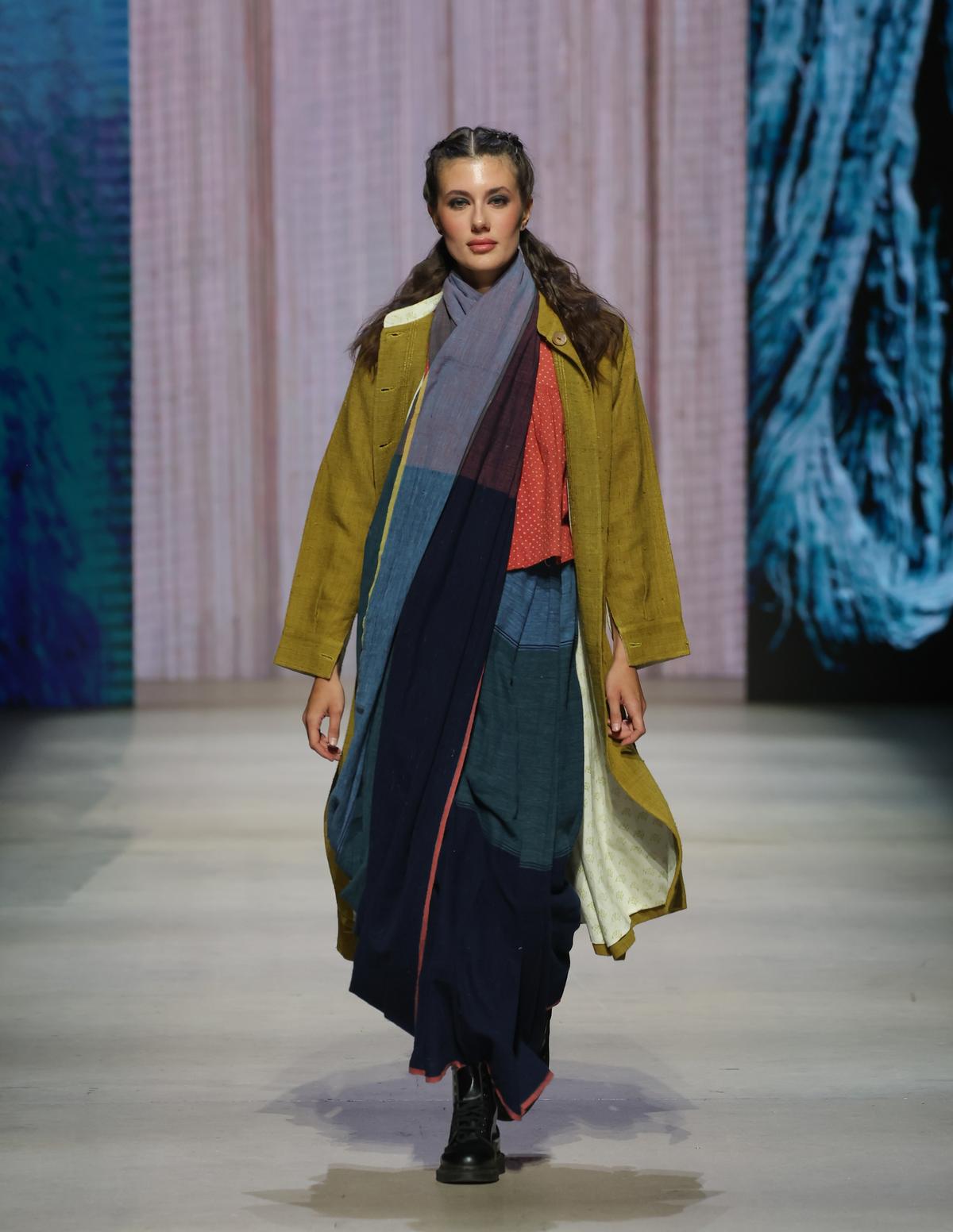
An outfit by designer Samant Chauhan.
Amidst this global resurgence, a quiet yet profound khadi revolution has been unfolding for decades in Dindigul, Tamil Nadu. It’s thanks to the Gandhigram Khadi and Village Industries Public Charitable Trust, an institution founded in 1947 by Mahatma Gandhi’s devoted followers, T.S. Soundaram Ramachandran and G. Ramachandran. Their vision was to foster rural development based on Gandhian principles, with khadi quickly becoming a cornerstone of their efforts, alongside initiatives in health, education, and sanitation.
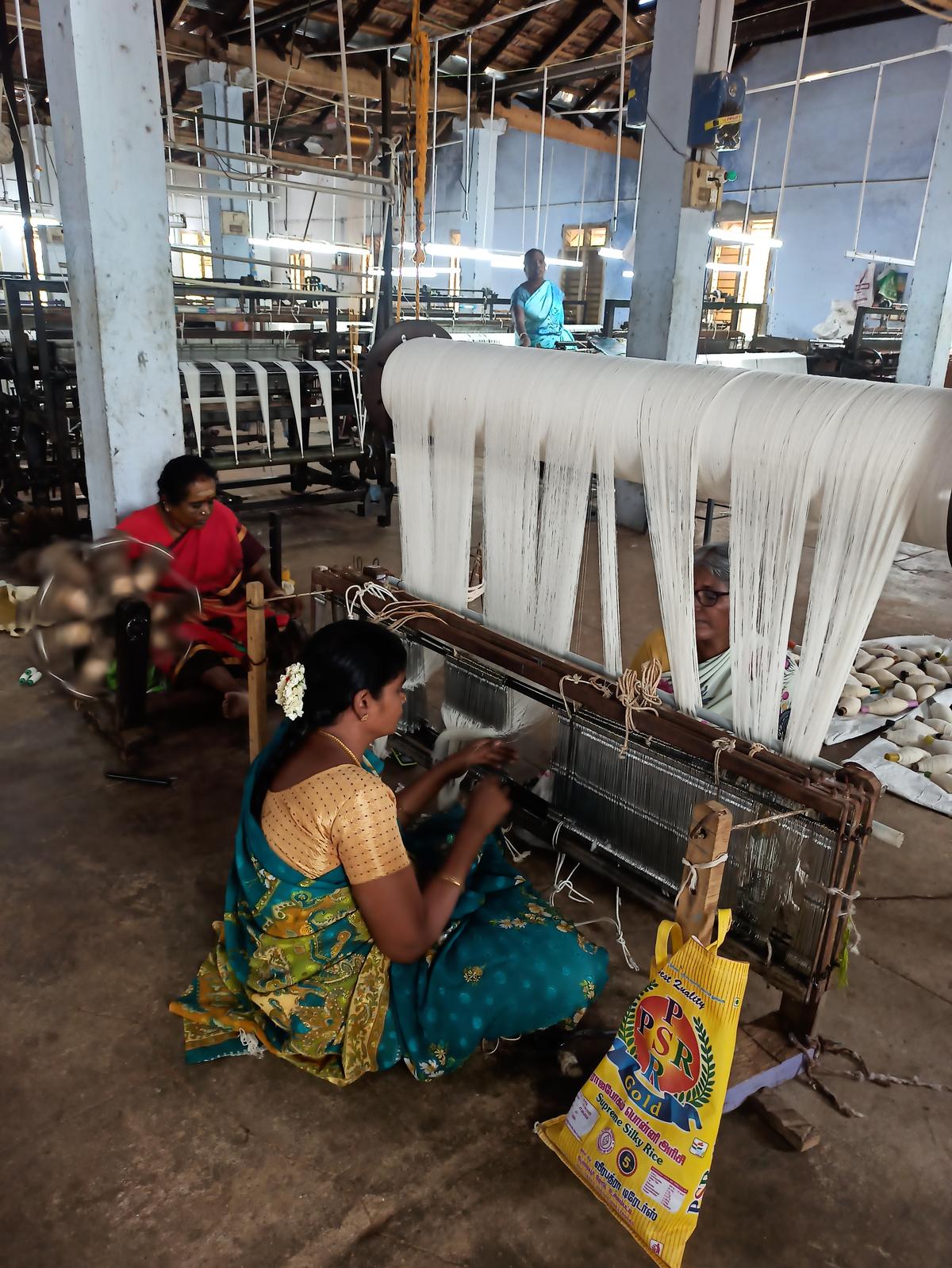
Artisans at the Gandhigram Trust.
Committed to preserving khadi’s authentic hand-spun and hand-woven heritage, the Trust has consistently sought ways to keep the fabric relevant for new generations. Their latest venture is an exciting collaboration with Chennai-based apparel brand Kaveri, renowned for its exquisite linen creations. According to Shibu Shankaran, the Trust’s deputy CEO, this partnership is just the beginning — a ‘pilot’ in a series of planned collaborations with designers and brands aimed at showcasing khadi’s diverse potential.
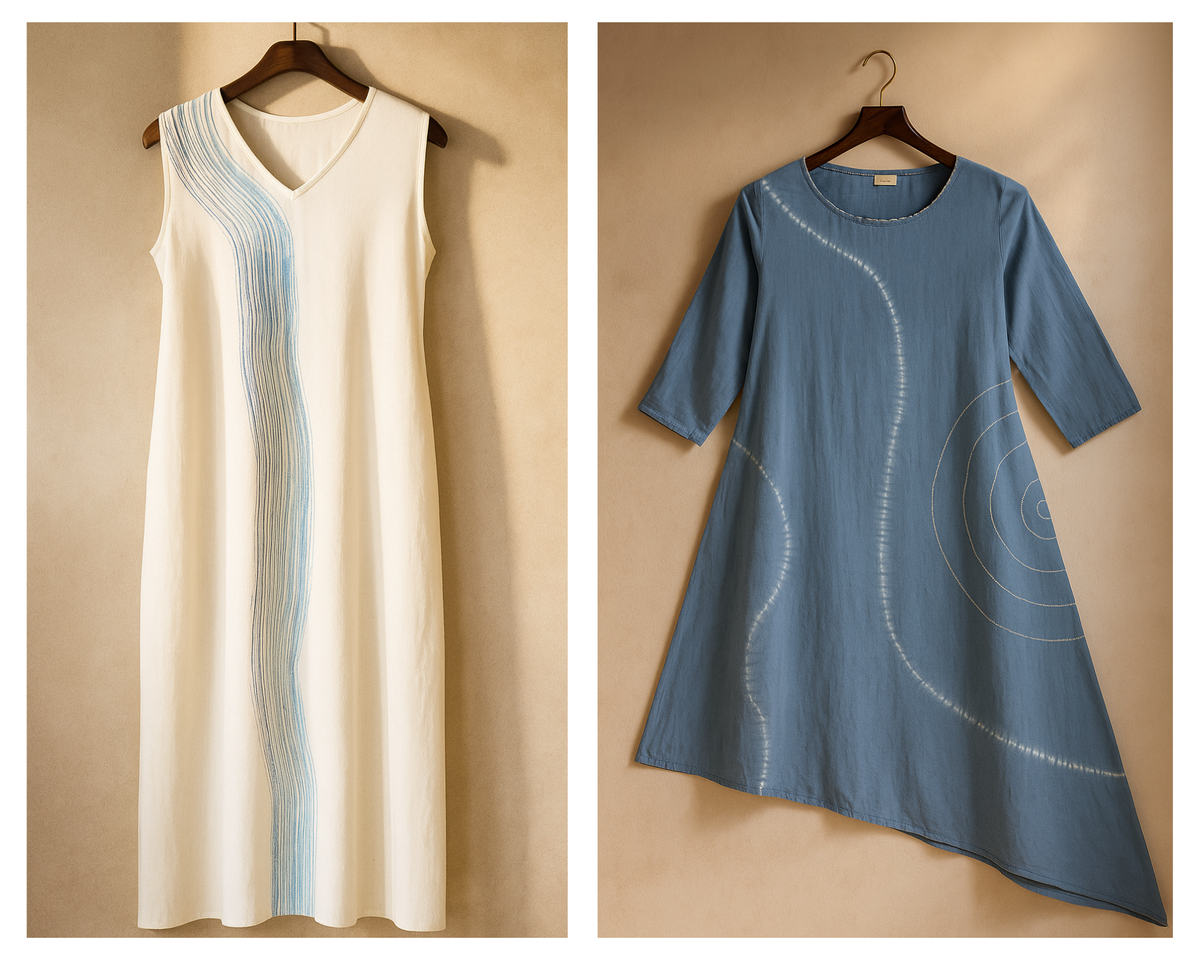
“We envision this as a powerful platform to demonstrate khadi’s versatility, allowing various creative voices to interpret its essence. Each collaboration will delve into distinct design languages, target audiences, and creative methodologies,” explains Shankaran. The resulting collection, aptly named Songs of the Spindle (priced between ₹5,000 and ₹8,000), features an array of modern ensembles including stylish co-ord sets, elegant dresses, traditional kurtas, and chic jackets. These pieces are enhanced with hand-printing, intricate embroidery, contemporary dip dyes, shibori techniques, and Kaveri’s signature prints and sophisticated gold foiling.
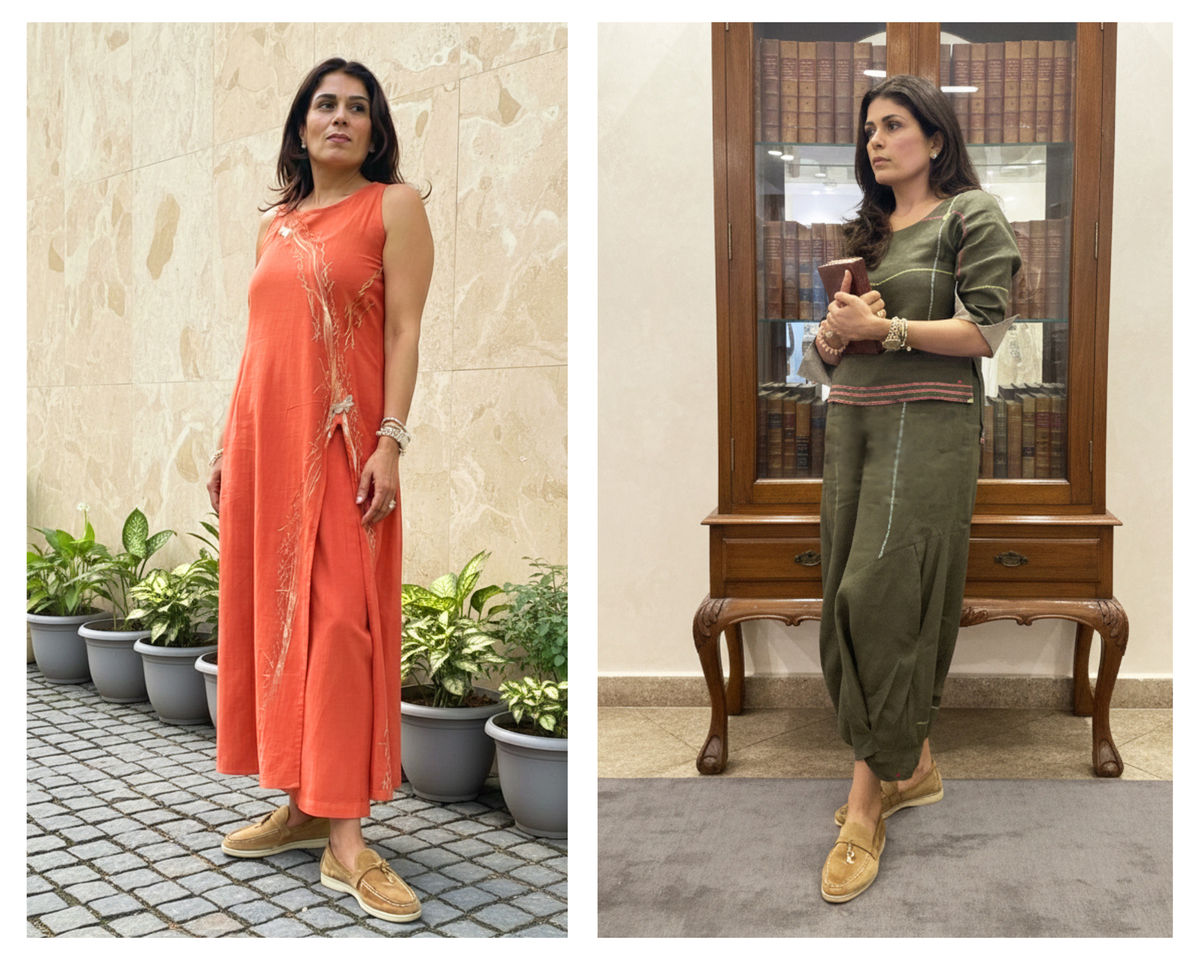
Designs from Songs of the Spindle.
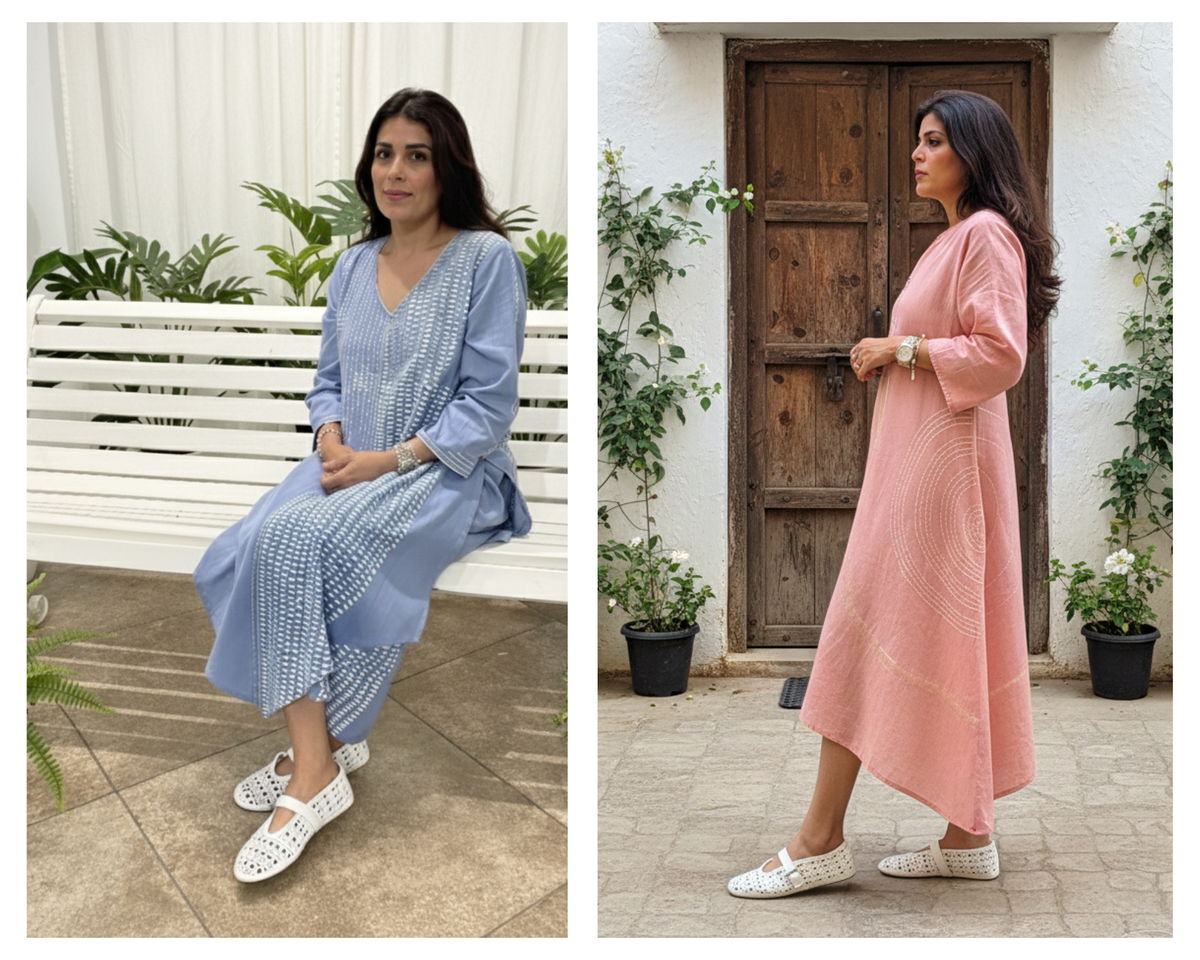
A Fresh Approach to Khadi: Kaveri’s Vision
Kaveri Lalchand, the brand’s founder, shared her excitement, noting her long-standing acquaintance with Gita Ram, chairperson of the Crafts Council of India (CCI) and a managing trustee at Gandhigram for over a decade. When Ram proposed creating a khadi collection for the Trust, Lalchand eagerly embraced the opportunity. “Typically, khadi apparel conjures images of basic shirts, kurtas, and simple styles. Our goal was to elevate it with our modern cuts, innovative techniques, and vibrant color palettes,” she stated. Moving beyond khadi’s traditional earthy tones, Lalchand explored a refreshed palette featuring enchanting shades like lilac, tangerine orange, and deep blue.
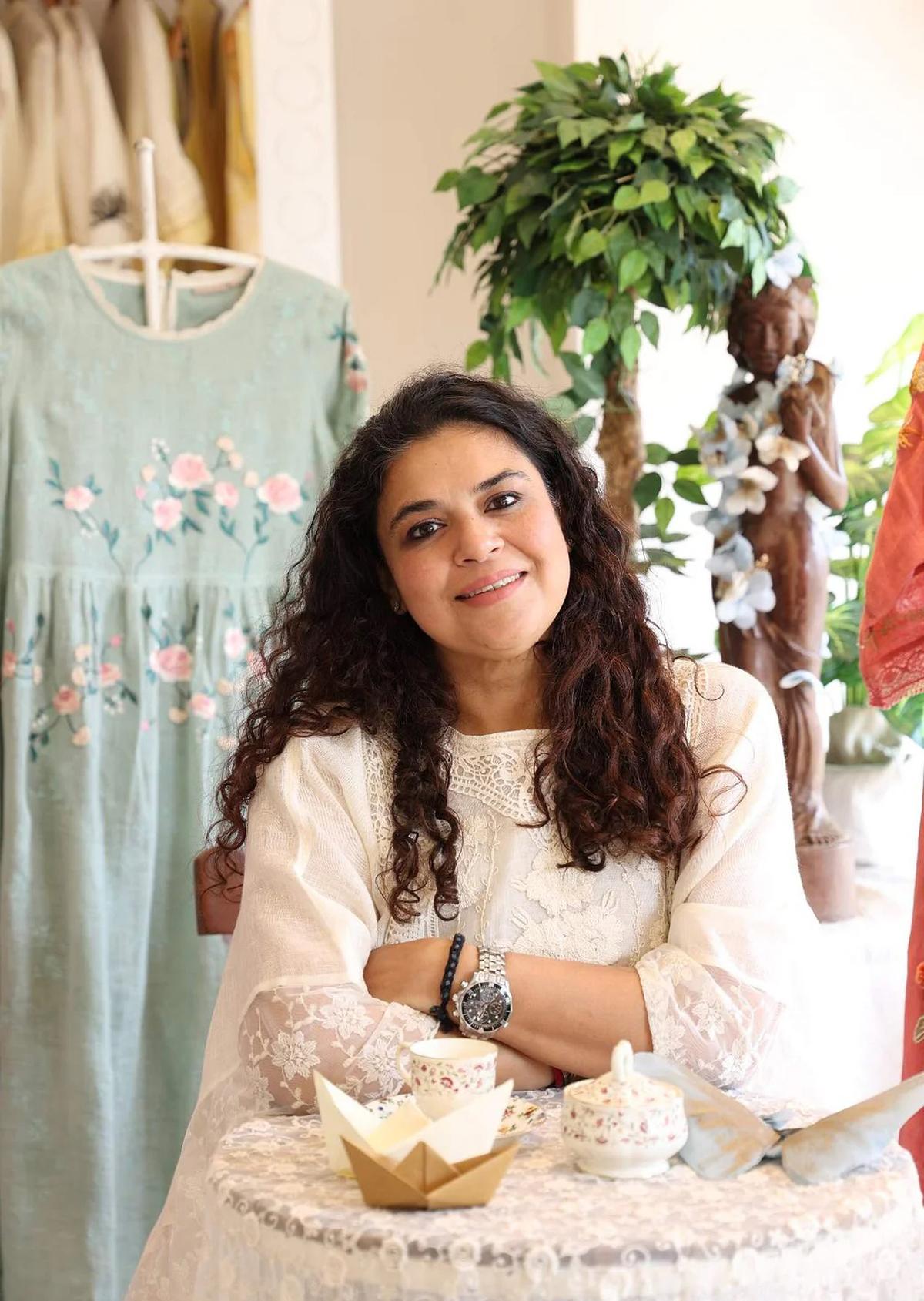
Kaveri Lalchand.
Aditi Jain, the head textile designer at Gandhigram Trust, elaborated on their collaborative design process, highlighting the importance of aligning with Lalchand’s design philosophy—characterized by fluid, elegant silhouettes and subtle detailing. “We focused on developing textiles that resonate with this vision, incorporating natural dyes in ombré effects and strategically placed tie-dye motifs,” Jain explained. This partnership also proved to be a valuable learning experience for the Gandhigram team, allowing them to “learn, refine, and optimize our internal processes to better integrate with the contemporary fashion world,” Shankaran added. This included mastering surface treatments with natural dyes and exploring tie-dye techniques such as clamp-dyeing and stitch shibori. They’ve also invested in a new cabinet dyeing machine for yarn, which significantly boosts their capacity, ensures greater consistency, and allows artisans to dedicate more time to intricate surface treatments. With this enhanced infrastructure, Jain confidently states they are now well-positioned to scale up natural dye surface treatments for future collections.
Sustainable Future: Revitalizing Khadi’s Market
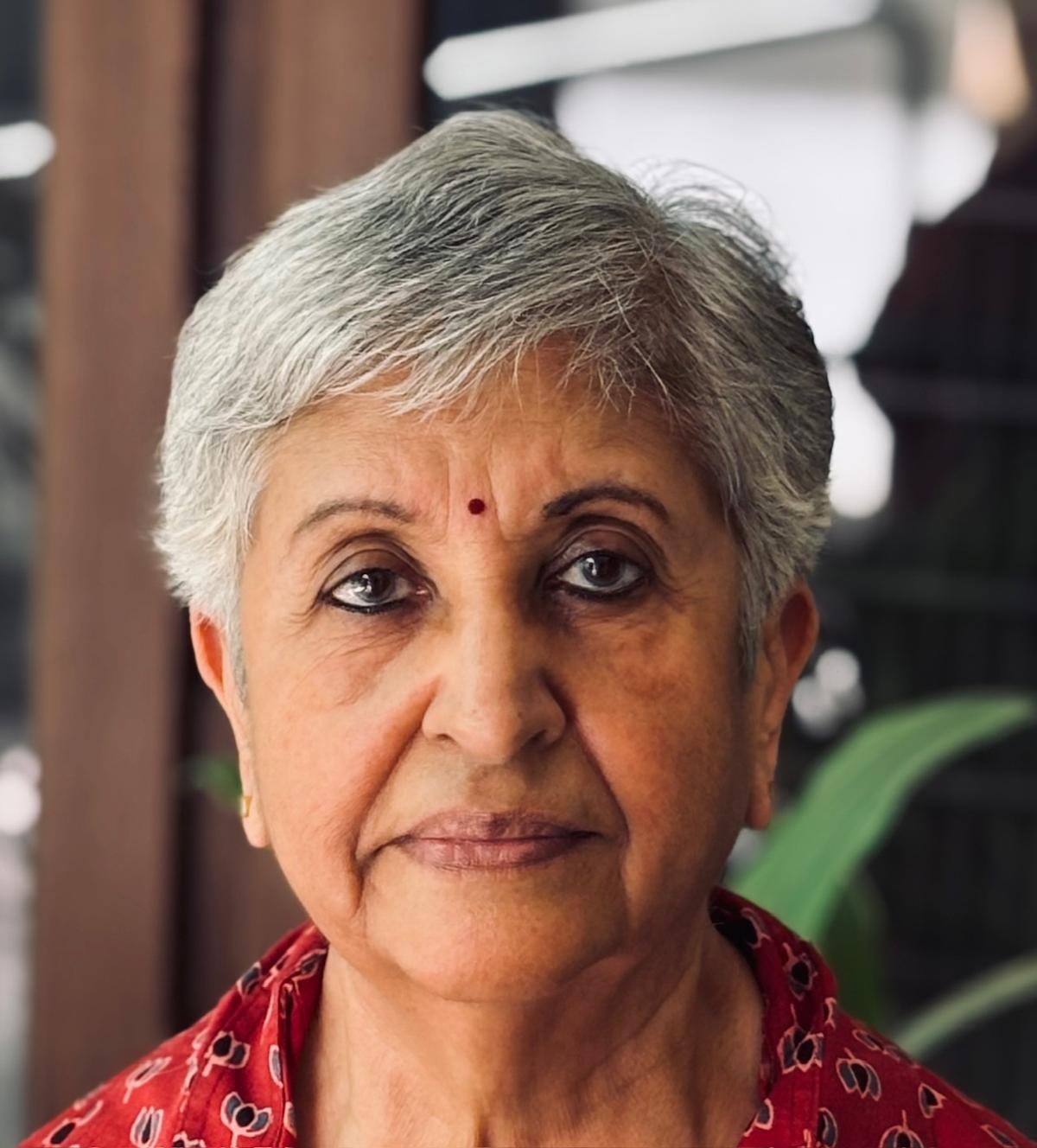
While many designers and boutiques already source fabrics from the Trust, this project represents a deliberate shift towards structured, long-term partnerships with leading design houses. Gita Ram of CCI shared her sentiment: “I was always told that khadi was a loss-making fabric. The initial enthusiasm it enjoyed post-Independence has waned over time. We are determined to break khadi out of this perception.” Collaborations like the one with Kaveri are crucial for boosting sales and ensuring sustained employment for weavers. “It’s vital to keep our weavers content and motivated to continue this cherished art form,” Ram emphasized. “Such partnerships truly represent the future.”
To better connect with younger, environmentally conscious consumers, Shankaran outlined plans for digital campaigns, further collaborations, and immersive experiential events centered around khadi. “We aim to transform the perception of khadi, not just as an eco-friendly fabric but as a truly climate-friendly and desirable wear,” he stated.
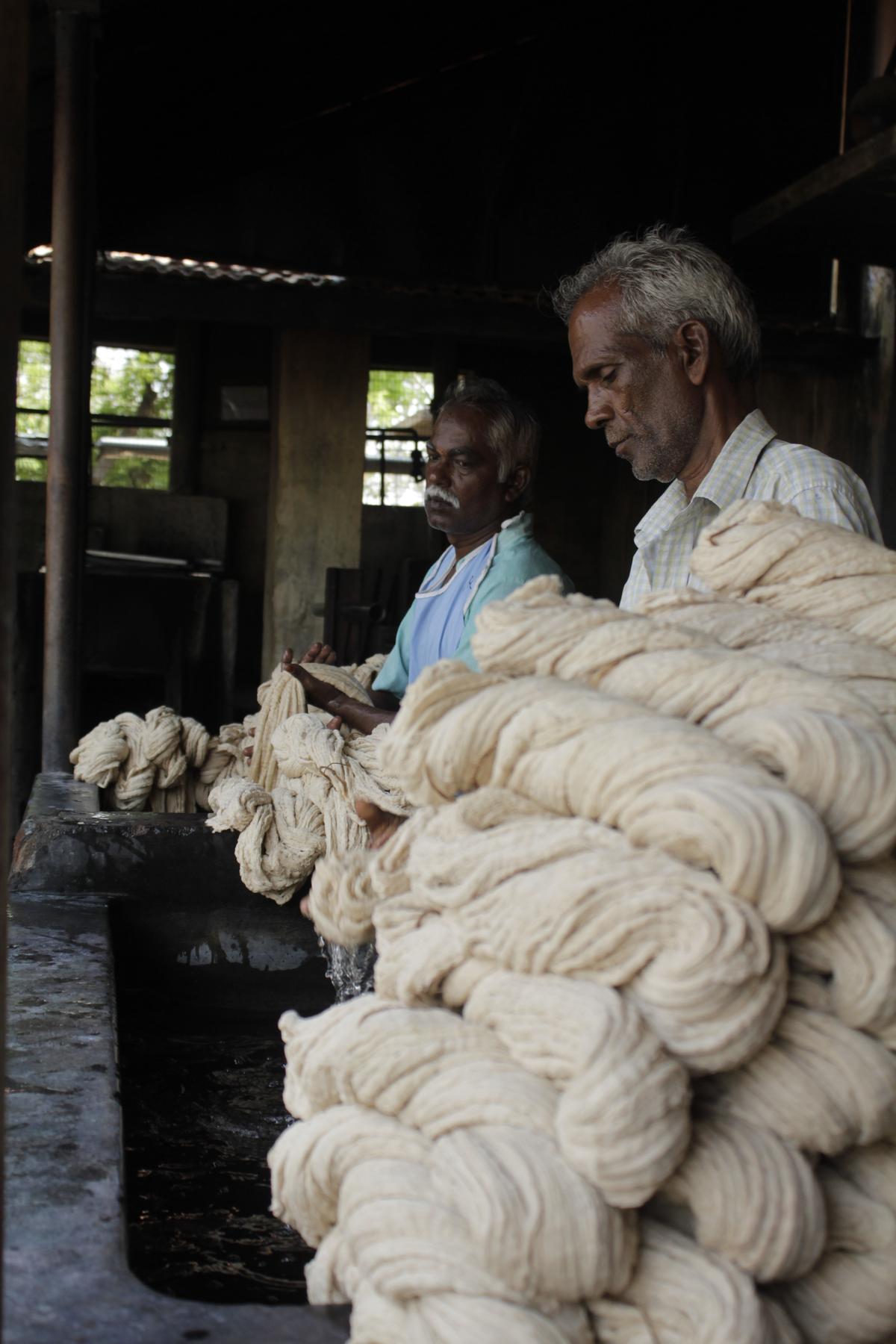
At Gandhigram Trust.
Cultivating Craft: Expanding the Weaver Community
Looking ahead, the Gandhigram Trust remains dedicated to its textile innovations, focusing on new weaving techniques, advanced dyeing processes, and innovative fabric blends to make khadi even more adaptable to modern fashion demands. “We are deeply committed to natural dyes, continually expanding our palette with a wide array of plant-sourced colors. Our most recent explorations include eco-printing, utilizing locally available flora such as marigolds, cosmos, guava, and teak leaves. We are also experimenting with hand-spun slub yarn from Maharashtra to create diverse textures, and developing new weave structures, including combinations with naturally dyed indigo denim and wool,” Shankaran detailed.
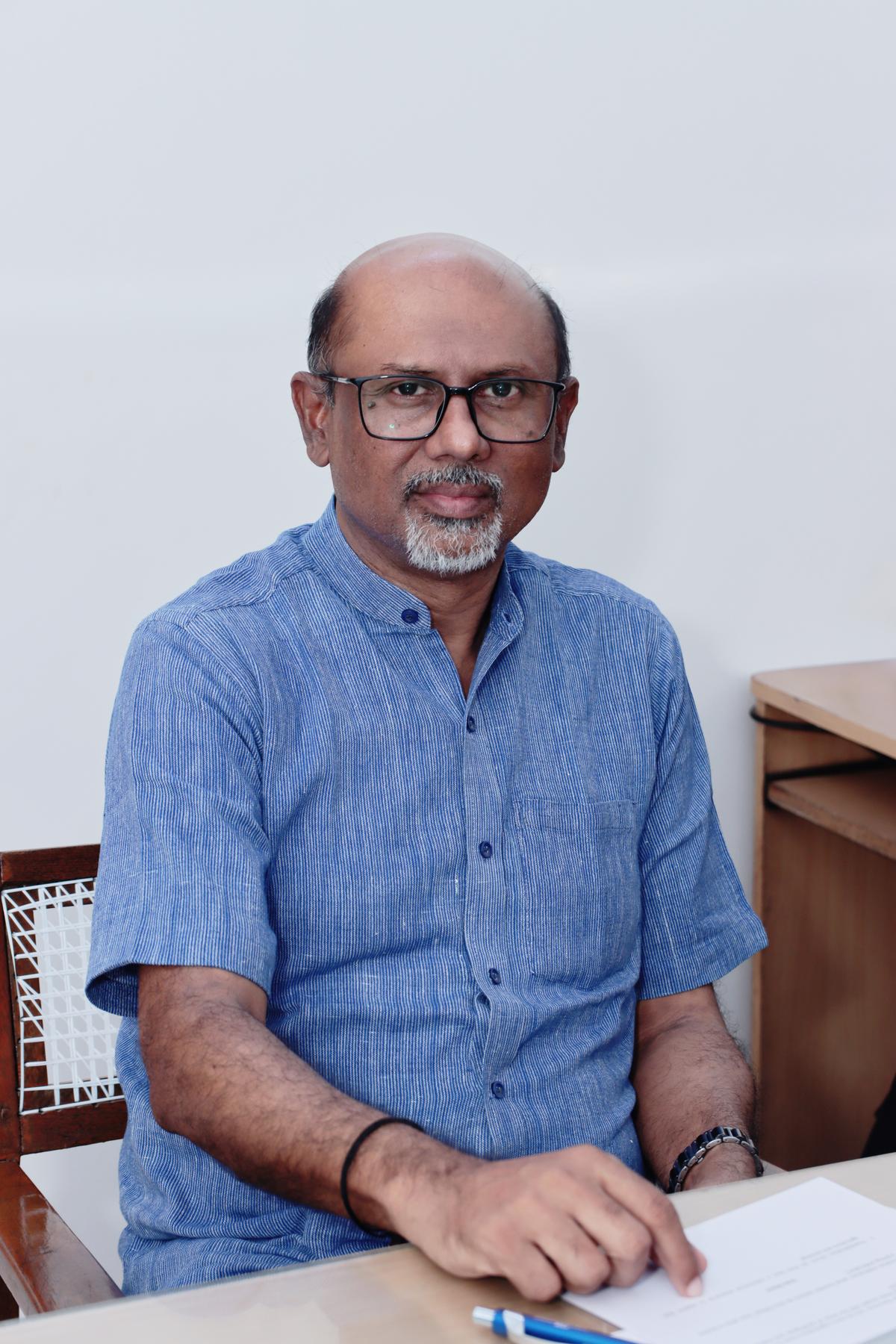
Shibu Shankaran.
Furthermore, the Trust plans to actively expand its weaving community by training individuals beyond traditional weaving families, including middle-aged women and others keen to learn the craft. This strategic initiative will not only ensure the enduring legacy of khadi but also create new avenues for sustainable livelihoods and foster greater inclusion. The exquisite new collection is set to launch on October 8 at the Kaveri store in Chennai.