
Jawaharlal Nehru University (JNU) is once again abuzz with activity as the Election Committee officially unveils the timeline for the 2025-26 Jawaharlal Nehru University Students’ Union (JNUSU) elections. This highly anticipated announcement marks the return of the energetic campaigns and strategic political maneuvering that are synonymous with JNU’s campus life.
Known for its rich history of student activism, JNU consistently serves as a dynamic arena for vigorous debates, ideological clashes, and intense leadership battles that capture national attention. This year, expectations are particularly high as various student organizations gear up to contest crucial positions, from the President to individual councillors, all eager to win the support of the university’s politically engaged student body.
Media reports suggest these elections could be exceptionally competitive, with new alliances forming and manifestos being crafted to address both specific campus issues and the wider socio-political landscape of the country. November 4, the designated polling day, is poised to be a pivotal moment, deciding the next wave of leaders for one of India’s most politically charged academic institutions.
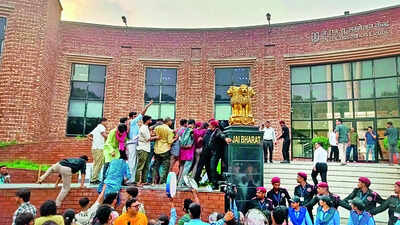
Election Timeline and Key Dates
The Election Committee has released a comprehensive schedule designed to ensure a fair and transparent electoral process:
- October 24: The preliminary voters’ list will be published, with a window for corrections allowed from 9 AM to 5 PM.
- October 25: Nomination forms will become available for aspiring candidates.
- October 27 (until 5 PM): The official period for filing nominations will commence.
- November 4: Polling will take place in two distinct phases: 9 AM to 1 PM and 2:30 PM to 5:30 PM.
- November 6: Vote counting will begin at 9 PM, and the official results are anticipated to be declared on the same day.
Campus Political Activity Intensifies
With the official election dates now public, JNU’s campus is experiencing a significant surge in political energy. Student organizations are reportedly stepping up their campaign efforts, which include door-to-door outreach, publishing detailed manifestos, and forming strategic alliances to solidify their support base. Analysts predict a particularly high voter turnout and robust competition across all faculties this year, as the elections are expected to reflect both immediate campus issues and broader national political trends.
Impact Beyond Campus Walls
According to experts and media analysts, the results of the JNUSU elections often carry weight far beyond the university gates. Historically, JNU’s student politics have served as a microcosm, reflecting and even influencing larger socio-political movements and national debates across India. The 2025-26 elections are therefore keenly watched, as they are anticipated to provide crucial insights into evolving ideological trends among the nation’s youth, with the newly elected student leadership potentially shaping wider public discourse at both regional and national levels.
The Countdown to November 4
As JNU gears up for its pivotal polling day, all eyes are on November 4, when students will cast their votes and exercise their democratic right. These elections are more than just about choosing the next student leaders; they are a vital reflection of the politically aware and dynamic student community within JNU, upholding its enduring legacy as a vibrant center for diverse ideas, impactful activism, and future leadership.