
It’s 2025, and the conversation around the gender pay gap continues, stubbornly refusing to fade even amidst global advancements and a push for accountability. However, this year, an unexpected contender has entered the international discussion for all the right reasons: India.
While corporate boardrooms and HR policies often tout inclusivity, celebrating women in the workplace, the stark reality reflected in salary slips frequently tells a different, less equitable story. Yet, this time, India is adding a uniquely vibrant hue to the global landscape of pay equity.
According to the Deel 2025 Compensation Report, India now stands among the nations with the narrowest gender pay gaps worldwide, where median salaries for men and women are almost indistinguishable. This is a striking contrast to some of the planet’s most developed economies, such as Canada, France, and the United States, which continue to struggle with considerable disparities.
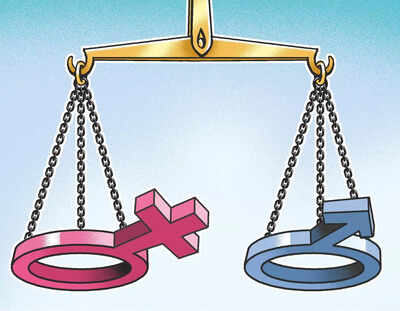
However, India’s achievement is rooted in a more intricate narrative. Has the country genuinely closed the gap, or has the very fabric of work undergone a significant transformation?
The Story Behind the Figures
The Deel Report presents an encouraging picture, but one that warrants deeper consideration. The narrowing of India’s pay gap isn’t solely due to a single reform or a sudden societal shift; rather, it’s a consequence of evolving work dynamics.
The proliferation of remote work, the surge in digital entrepreneurship, and the adoption of performance-based pay structures have dismantled many traditional barriers that historically favored men in corporate settings. As more women embrace flexible and freelance opportunities, compensation is increasingly linked to individual skill and output, rather than rigid hierarchies or tenure.
This fundamental shift has challenged a long-standing bias within India’s labor market, where qualified women were often overlooked for leadership positions or denied equitable salary scales.
Uneven Strides Across Sectors
Despite this overall progress, equality remains inconsistent across various sectors. The Deel Report highlights that the pay gap persists significantly in technology and product development roles, areas where men largely continue to occupy high-paying leadership and engineering positions.
Sales, however, tells an entirely different tale. Here, performance-linked incentives have cultivated a fairer environment, with women’s earnings directly reflecting their results, rather than being constrained by traditional corporate ladders. The clear takeaway is that transparency in outcomes is a powerful catalyst for equality.
A Striking Global Comparison
What makes India’s situation particularly noteworthy is that nations with more robust economies and longer histories of advocating for gender equality, like the United States, France, and Canada, are still grappling with deeper divides. Outdated pay structures, non-transparent promotion processes, and the underrepresentation of women in senior roles have perpetuated inequities even in these purportedly progressive societies.
Therefore, India’s near-parity is not just a statistical anomaly; it serves as a subtle yet powerful challenge to global assumptions about where true equality can flourish.
The Unfinished Chapter of Equality
Yet, a crucial question lingers: can India’s progress be sustained? Equal pay doesn’t automatically equate to equal power. The representation of women in executive leadership roles continues to lag, and without comprehensive structural support—including better childcare, flexible work policies, and mentorship opportunities for women in leadership—this progress might eventually stagnate.
For now, India’s current standing offers both optimism and a dose of reality. Optimism, because a nation once known for its inequalities has demonstrated an ability to redefine its narrative. Humility, because the journey toward complete parity is clearly far from over.
The Deel 2025 Compensation Report isn’t the conclusion of the conversation; it’s a vital re-ignition. And as the world observes, India’s evolving story might very well reshape our understanding of what genuine progress means in the global pursuit of pay equity.