
Harvard University recently transformed its approach to diversity and cultural initiatives by replacing three established student centers with a new umbrella organization: the Office of Culture and Community (OCC). This significant change, first reported by The Harvard Crimson, saw the Women’s Center, the Office for BGLTQ Student Life, and the Foundation for Intercultural and Race Relations merge in July, with their staff now operating under a new ‘Harvard Foundation’ within the OCC.
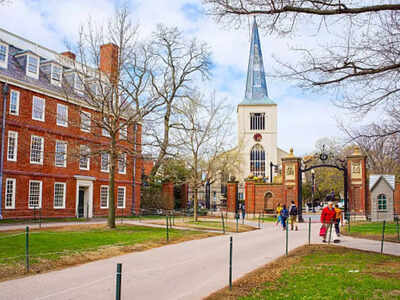
Pictured: Harvard’s New Office of Culture and Community assumes leadership over former diversity hubs.
This restructuring immediately sparked concern among students, many of whom worried that Harvard was reducing its commitment to marginalized communities. However, university officials highlight that the new OCC actually benefits from a larger budget than the three previous centers combined.
Expanded Programming and More Events
Since the academic year began, the OCC has been bustling, having already hosted 14 events – a notable increase over what the former offices typically offered. Activities have ranged from casual ice cream socials across the Radcliffe Quadrangle and Harvard Yard to a vibrant fall food festival at Memorial Church. These gatherings are intentionally designed to be inclusive and open to all students, shifting the focus from specific identity groups to broader community engagement, while still maintaining support for recognized affinity organizations.
Ensuring Compliance and Broader Inclusivity
The university is also actively working to ensure that all funded events align with federal regulations. These rules specifically prohibit the funding of gatherings that are restricted based on identity. Consequently, all student groups are now mandated to verify that their events meet these legal standards, underscoring a commitment to wider accessibility and regulatory adherence.
Leadership and Strategic Intent Behind the Changes
The decision to close the previous diversity centers stemmed from an internal review at Harvard College. The new OCC structure is intended to represent a more holistic and strategic approach to student support. While there has been speculation about political influence, the College maintains that these changes were made under the dean’s direction, with the primary goal of addressing the broader needs of the entire student population.
Continuing Cherished Cultural Traditions
Importantly, some long-standing, identity-focused events will persist under the new OCC framework. For example, “Cultural Rhythms,” a beloved spring celebration that has showcased artists from various linguistic and cultural backgrounds for almost four decades—originally hosted by the Foundation for Intercultural and Race Relations—will now be organized by the OCC. The College has affirmed its intention for these events to not only uphold their historical excellence but also to potentially broaden their reach and impact.
In essence, by consolidating its diversity centers into the new Office of Culture and Community, Harvard College seeks to create a more efficient support system, dedicate more resources to programming inclusive of all students, and uphold its cherished cultural traditions. This transformation continues amidst ongoing student discussions about its precise impact on identity-specific support services.