
Since the dawn of civilization, music and art have been woven into the fabric of rituals, spiritual practices, and cultural traditions. You might have seen vibrant paintings depicting musicians and dancers adorning the ancient temples of Thanjavur or etched onto Greek pottery. However, the profound connection between these two artistic realms extends far beyond simple depictions.
Ragamalas: Visualizing Musical Moods
Ragamalas, literally meaning “Garlands of Ragas,” are exquisite miniature paintings that offer a visual interpretation of a musical raga – a melodic framework in Indian classical music. These artworks are classical masterpieces, seamlessly blending art, music, and poetry. This unique art form flourished in Rajasthan, with many stunning examples created in Indian painting schools during the 16th and 17th centuries.
In these captivating paintings, each raga is personified through distinct colors, moods, and verses that describe a hero and heroine (nayaka and nayika). They also illustrate the appropriate season and time of day for a particular raga to be performed. For instance, a Ragamala for Raag Basant Bahar, a spring raga, would burst with scenes of nature – blooming flowers, lush trees, and lively birds and animals.
Some paintings even depict ragas as deities, such as Raag Bhairava or Bhairavi, often associated with Lord Shiva.
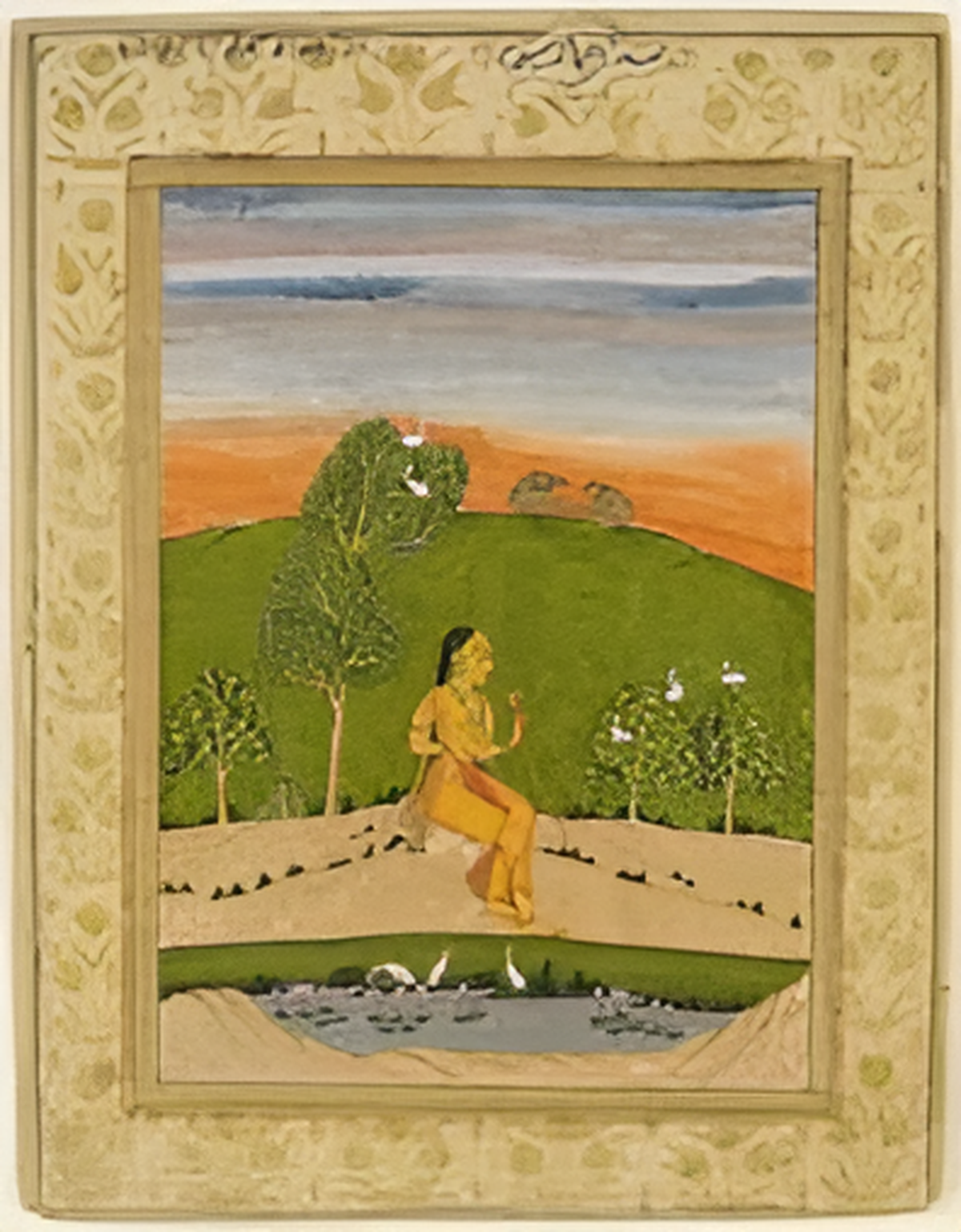
A detailed Ragamala miniature painting, ‘Asavari Ragini of Malkosh’, showing a girl holding a cobra amidst a scenic landscape.
Musical Echoes in Belur’s Temples
The magnificent Chennakeshava Temple in Belur, Karnataka, much like many other temples across India, is a treasure trove of art. Its walls are adorned with intricate sculptures and paintings depicting musicians playing instruments that were common in the 12th century, such as flutes, cymbals, percussion, and the veena.
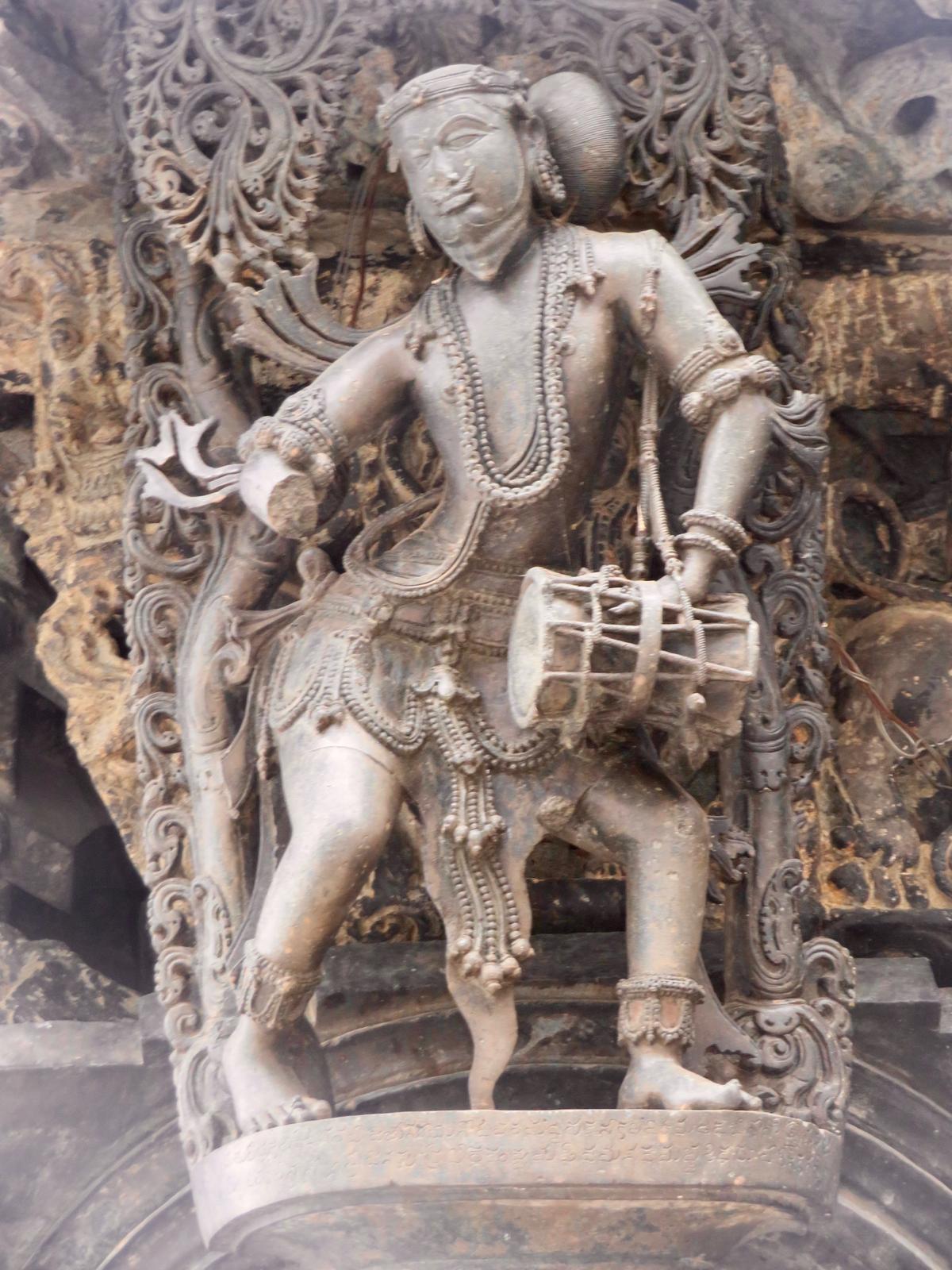
A 12th-century sculpture of a musician playing a drum at the Chennakeshava Temple in Belur.
Kandinsky’s Synesthetic Symphony
Wassily Kandinsky, the celebrated Russian painter and art theorist, revolutionized abstract art. He was also a synesthete – a person who experiences a rare condition where one sense triggers another. Kandinsky famously saw vibrant colors when he heard music and, conversely, heard music as he painted. His artistic genius was deeply intertwined with this unique perception.
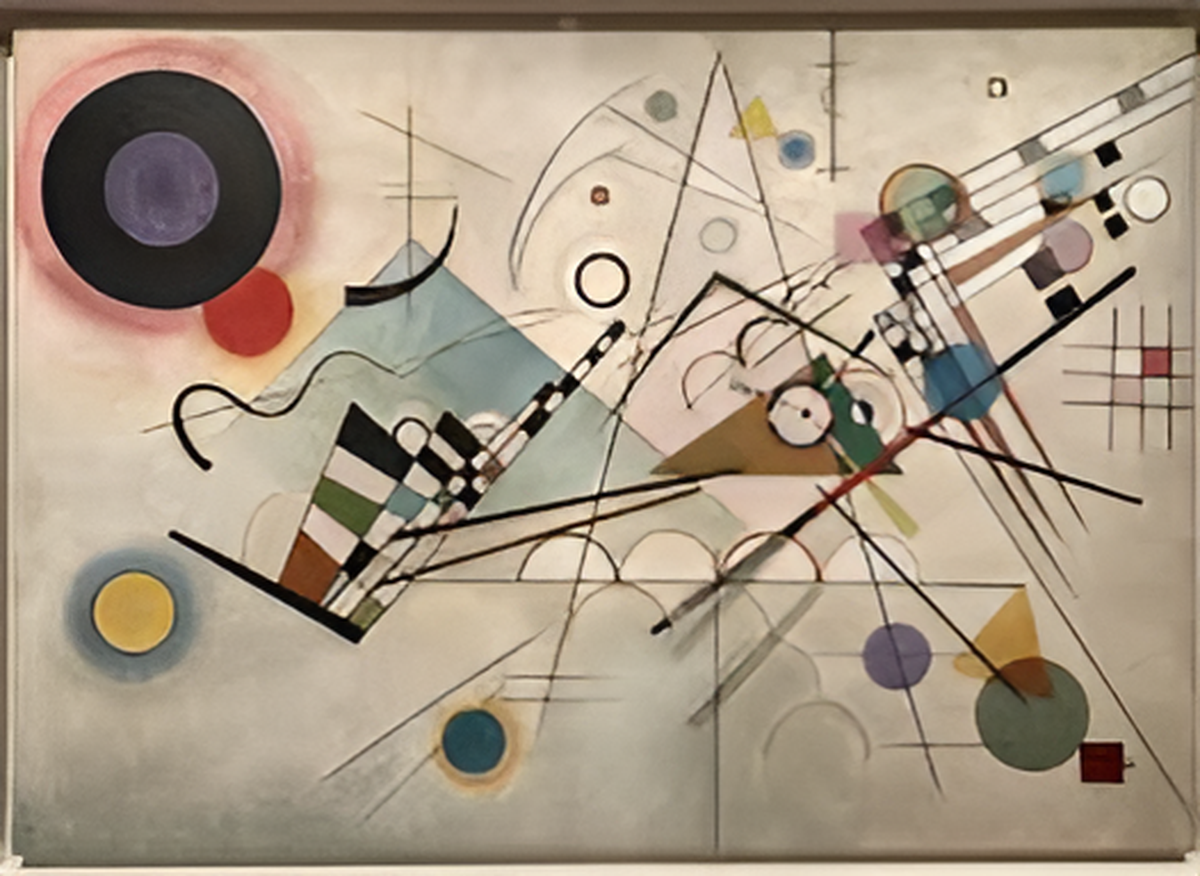
Examples of Wassily Kandinsky’s abstract compositions.
This synesthetic experience profoundly shaped his work, notably his famed piece, ‘The Yellow Sound.’ This production ingeniously combined original musical scores, dynamic lighting, and various media to delve into prevailing color theories of his time.
Kandinsky’s art also drew inspiration from Viennese composer Arnold Schönberg, who famously broke away from traditional tonality and harmony in his compositions. Similarly, Kandinsky rejected conventional artistic structures, embracing bold shapes, expressive lines, and often disharmonious colors. It’s no surprise that he frequently titled his paintings ‘Composition’ or ‘Improvisation,’ echoing musical terminology.
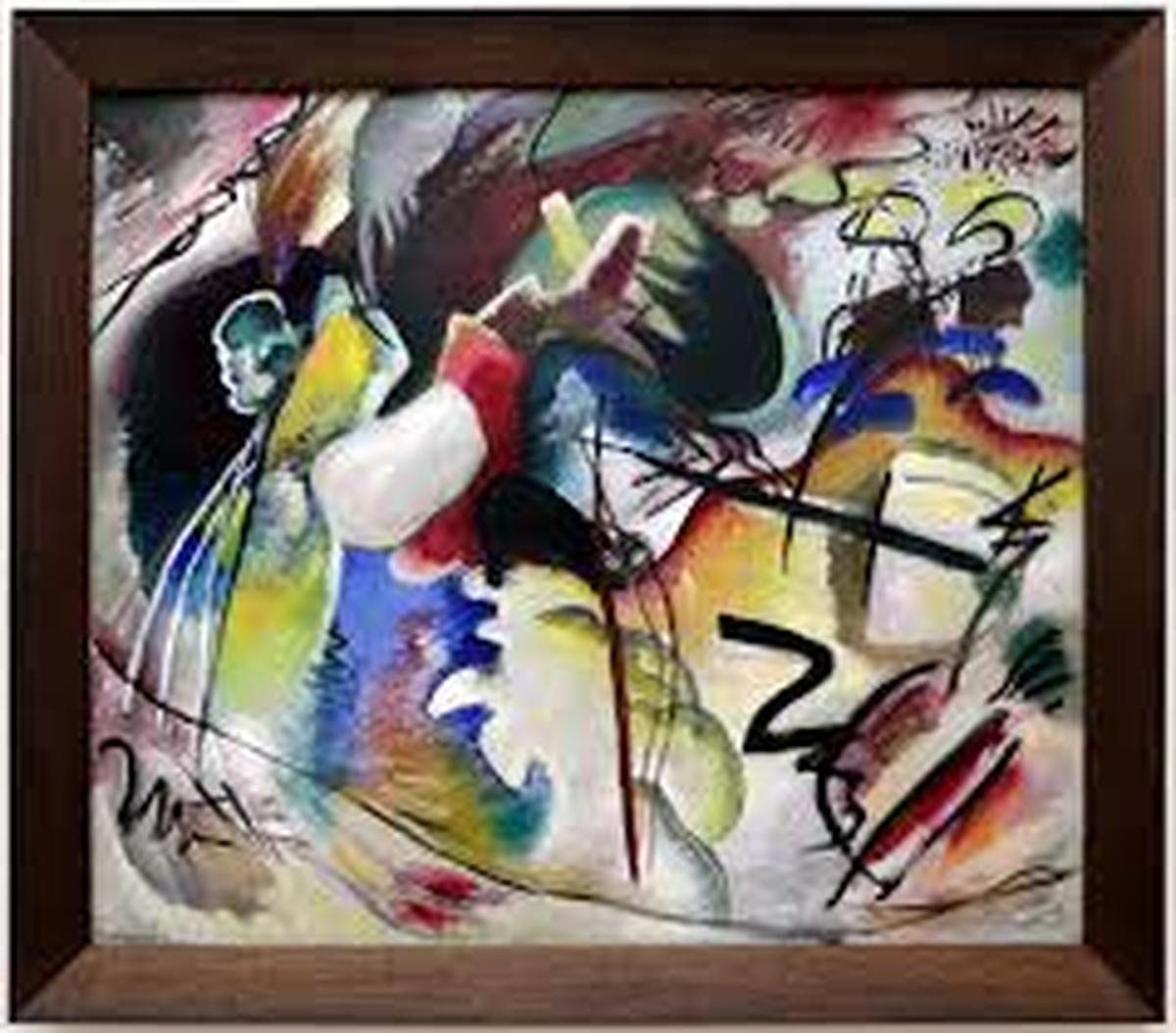
Kandinsky’s ‘Study for Painting with White Form’ from 1913.
The Picasso-Stravinsky Partnership
The iconic painter Pablo Picasso and the revolutionary composer Igor Stravinsky shared a deep friendship and often collaborated through the renowned Ballet Russes. This groundbreaking ballet company originated in Paris, captivating audiences across Europe, North America, and South America between 1909 and 1929.
Throughout their creative partnership, they embarked on numerous projects. One notable example was ‘Pulcinella,’ a ballet by Stravinsky, for which Picasso designed the costumes and sets. His designs were beautifully inspired by Italian folk theatre and the commedia dell’arte tradition. Their collaborations extended to other ballets as well, including ‘The Three-Cornered Hat’ and ‘Parade.’
Picasso also contributed to Stravinsky’s composition ‘Ragtime,’ for which he created a distinctive line drawing that adorned the music’s cover.
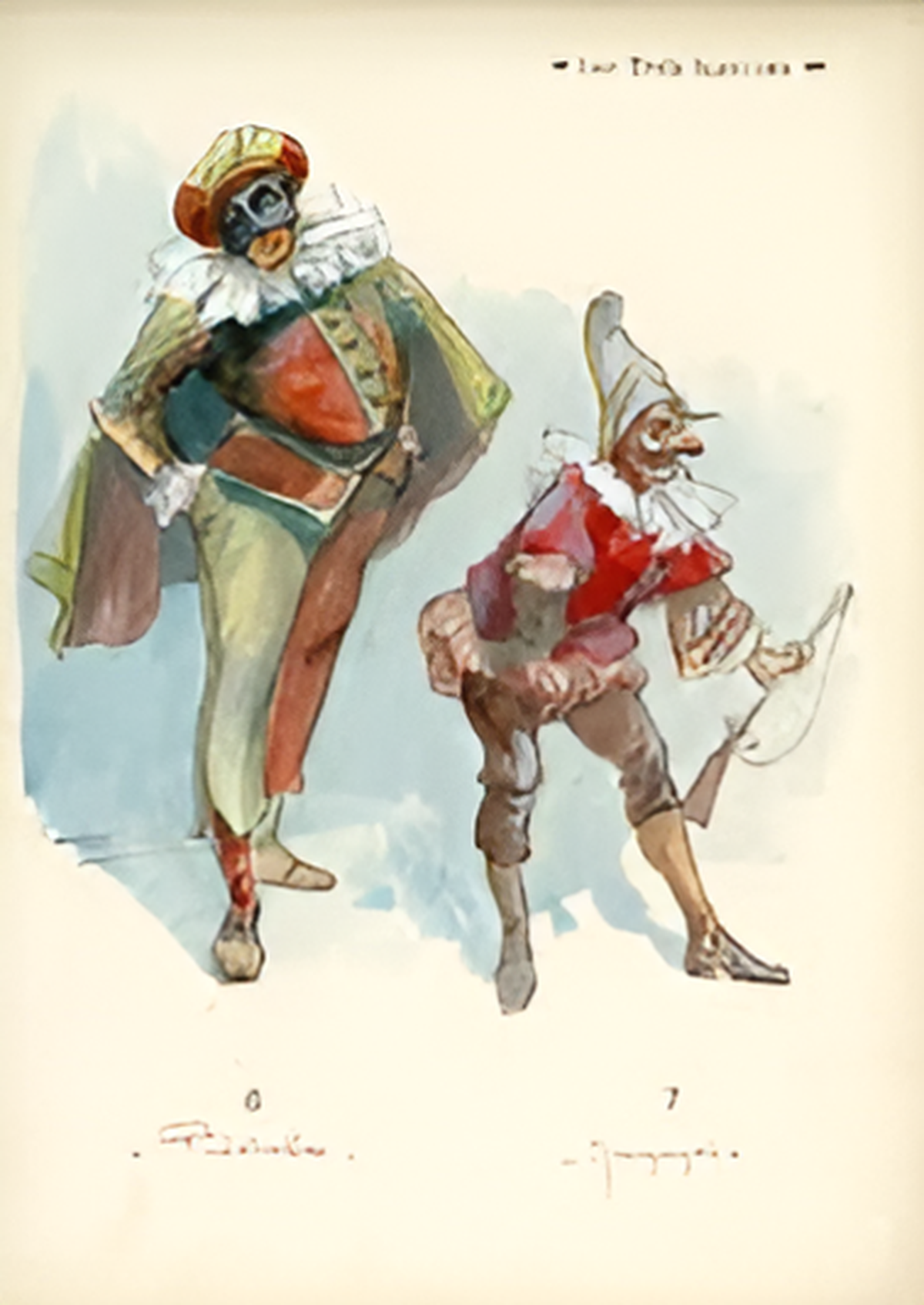
Costume designs for the ballet Pulcinella, created by Pablo Picasso.
A Symphony Inspired by a Great Wave
Sometimes, art directly inspires music. French composer and pianist Claude Debussy earned widespread acclaim for his orchestral masterpiece, ‘La Mer’ (meaning “the sea”), which vividly portrays the raw power and beauty of the ocean.
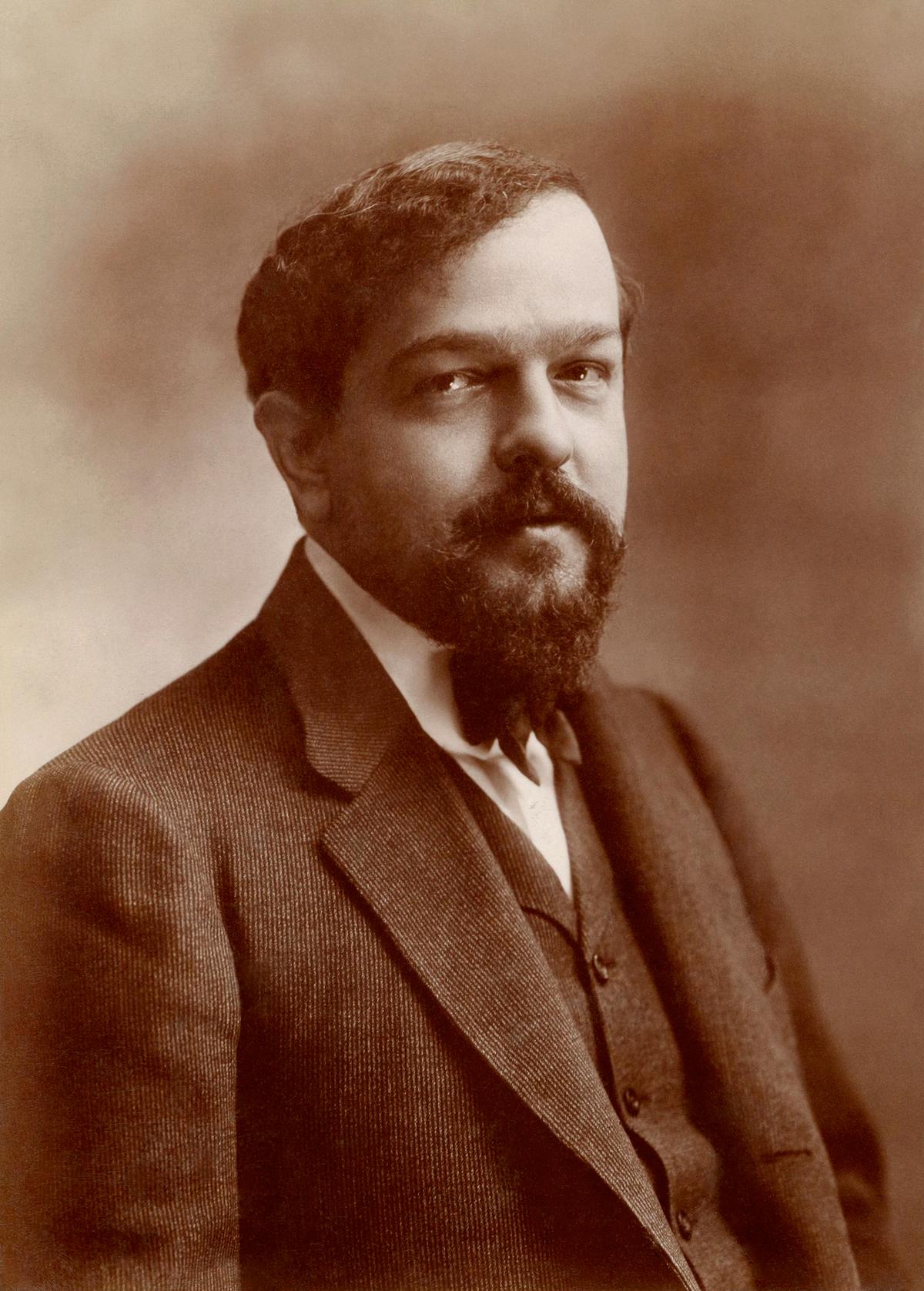
A portrait of French composer Claude Debussy, circa 1900.
Debussy held a profound fascination for Japanese art and the sea itself, often incorporating imagery from the Far East into his own paintings. He famously owned a copy of the iconic print artwork, ‘Under the Great Wave of Kanagawa,’ by the Japanese artist Hokusai. This very print became the direct inspiration for ‘La Mer.’
In a testament to its influence, Debussy even requested Hokusai’s artwork to grace the cover of the first edition of ‘La Mer,’ released in 1905. By doing so, he not only honored his inspiration but also imbued his work with a sense of both familiarity and exoticism, leveraging the print’s existing popularity across Western Europe.
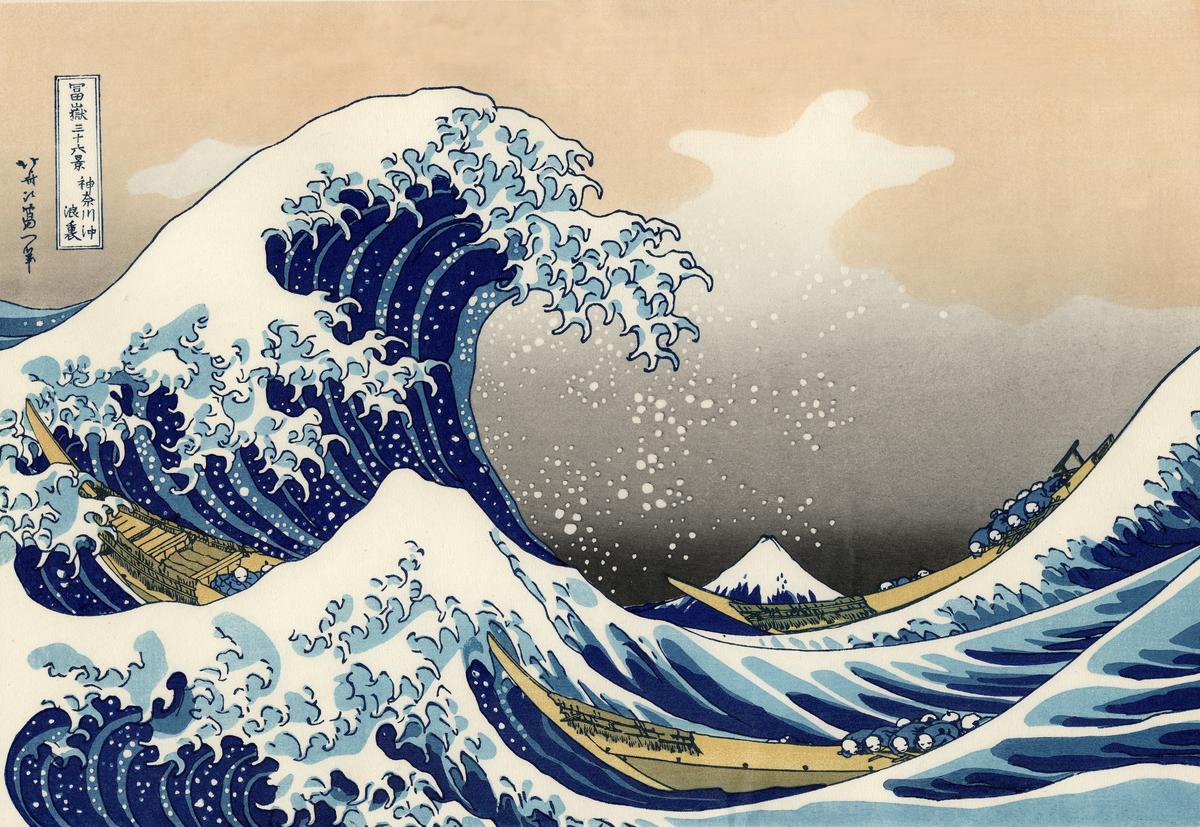
Katsushika Hokusai’s iconic woodblock print, ‘The Great Wave off Kanagawa’, which inspired Claude Debussy.
The Art of Album Covers
The synergy between art and music isn’t limited to classical compositions; it thrives in contemporary culture, with album covers serving as a prime example of their beautiful intersection.
The Dark Side of the Moon: Pink Floyd’s ‘The Dark Side of the Moon’ boasts one of the most recognizable album covers in history. Designed by Storm Thorgerson and George Hardie of Hipgnosis, an English art design group specializing in rock band album art, it perfectly captured the band’s vision. Band member Richard Wright sought an image that reflected the band’s stage lighting and the album’s profound themes of conflict, greed, time, and mental health. The resulting cover – a stark prism dispersing white light into a rainbow – brilliantly represents these elements: the stage lights, the album’s introspective lyrics, and Wright’s desire for a ‘simple and bold’ design.
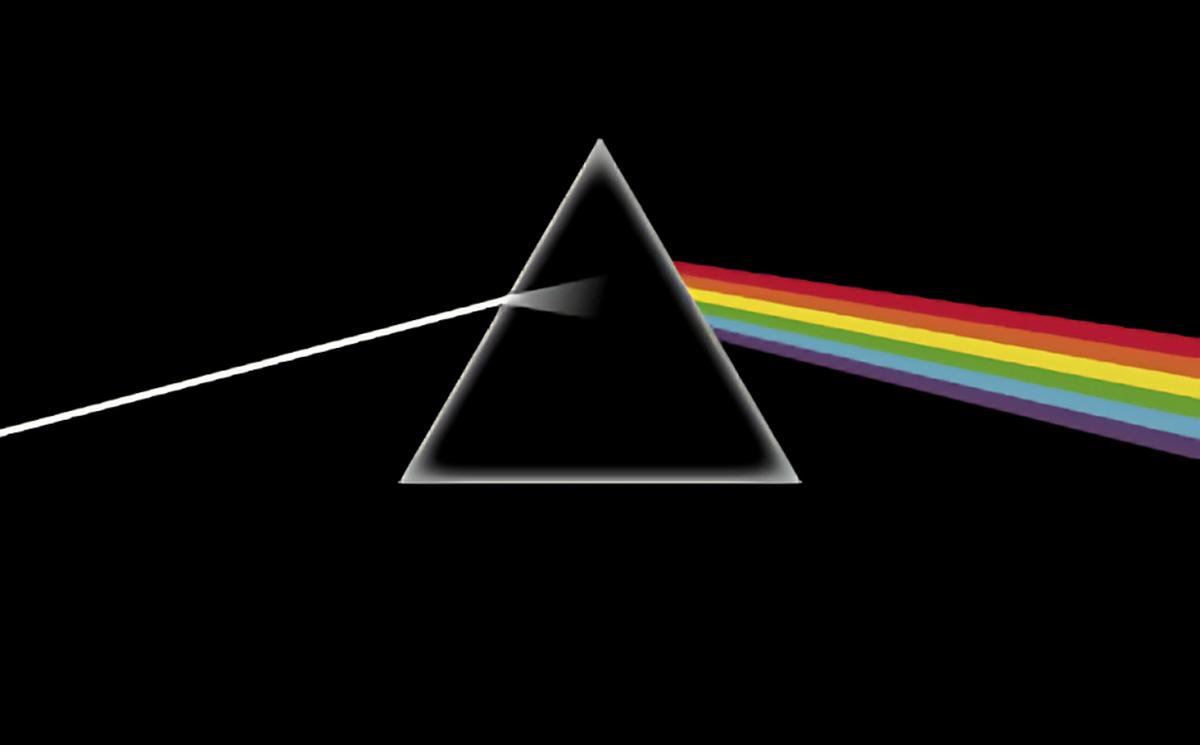
The iconic prism album cover for Pink Floyd’s ‘The Dark Side of the Moon’.
Sgt. Pepper’s Lonely Hearts Club Band: The Beatles’ ‘Sgt. Pepper’s Lonely Hearts Club Band’ album cover is equally remarkable for its striking visual artistry. The iconic image features The Beatles in their military-inspired attire, surrounded by a crowd of famous figures, including Bob Dylan and Marlon Brando, alongside wax figures of themselves. Pop artist Sir Peter Blake is widely credited as the co-creator of this legendary artwork, earning him the title ‘Godfather of British Pop Art’ for his seminal contribution.
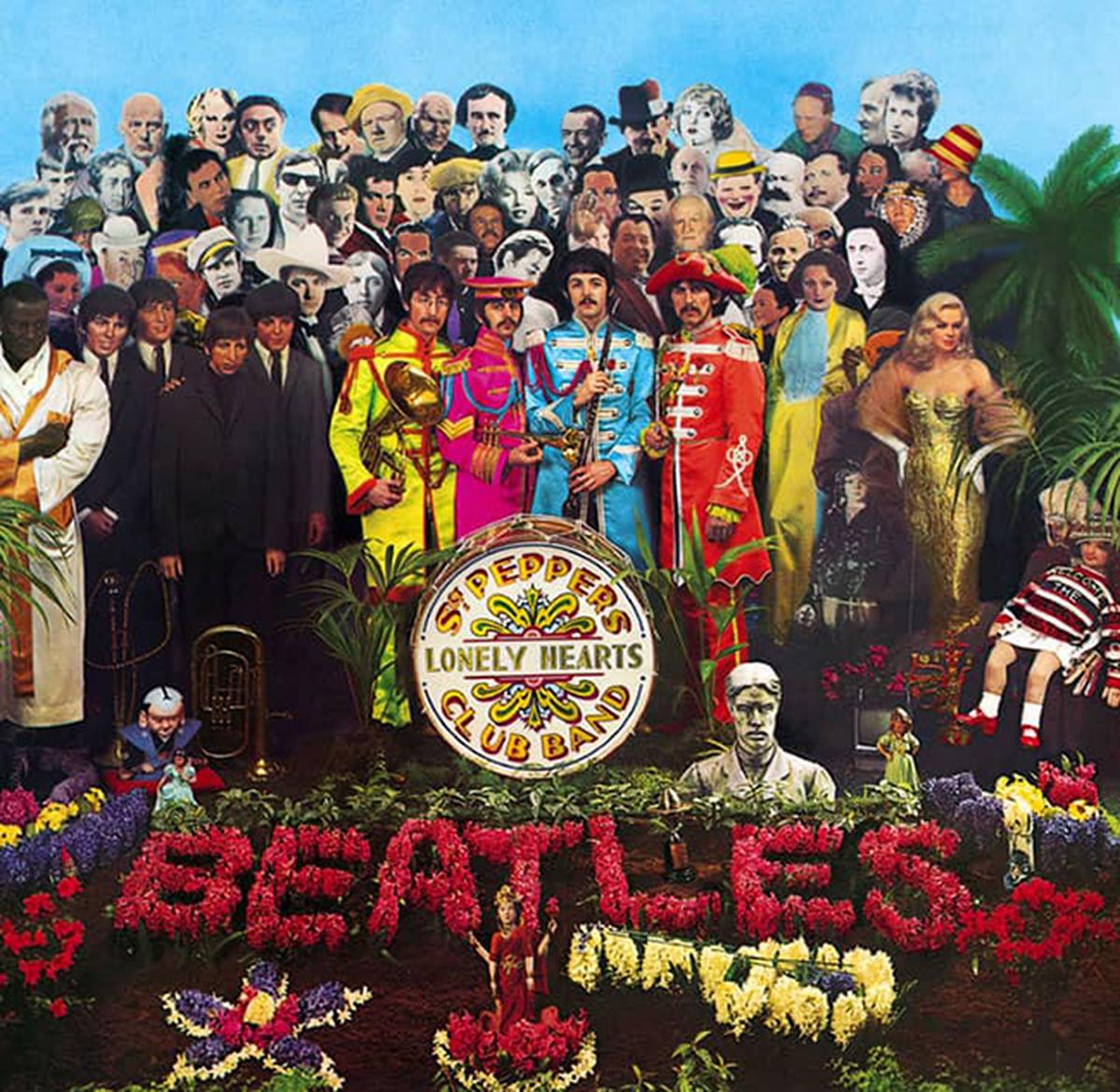
The elaborate album cover for The Beatles’ ‘Sgt. Pepper’s Lonely Hearts Club Band’.
Art and Music in Modern Times
The integration of art and music continues to evolve in exciting ways. Attend a rock or pop concert by artists like Coldplay or Beyoncé, and you’re likely to be mesmerized by the stunning visual projections and stage designs that enhance the musical experience. Even K-Pop groups are pushing creative boundaries with their innovative and artistic logos, demonstrating a sophisticated fusion of visual identity and sound.
In essence, the relationship between music and art is an enduring one. It’s a dynamic interplay, constantly evolving yet firmly rooted in a shared desire for expression. Whether manifested on canvas, carved in stone, or captured in musical notes, art and music perpetually inspire, enrich, and transform one another, creating magic for audiences across generations.