
It was based on George R.R. Martin’s book series A Song of Ice and Fire. The HBO series Game of Thrones became a culture phenomenon, captivating audiences from around the world with its intricate blend of political intrigue, complex characters, and epic battles. It’s a show set in the fictional continents of Westeros and Essos, with several storylines of noble families fighting for control of the Iron Throne while battling supernatural forces lurking beyond the Wall. Through its eight seasons, Game of Thrones became famous for its shocking twists, morally ambiguous characters, and grand scale.
The Story: Power, Betrayal, and the Fight for the Iron Throne
The central plot of Game of Thrones revolves around the quest for power in the Seven Kingdoms.
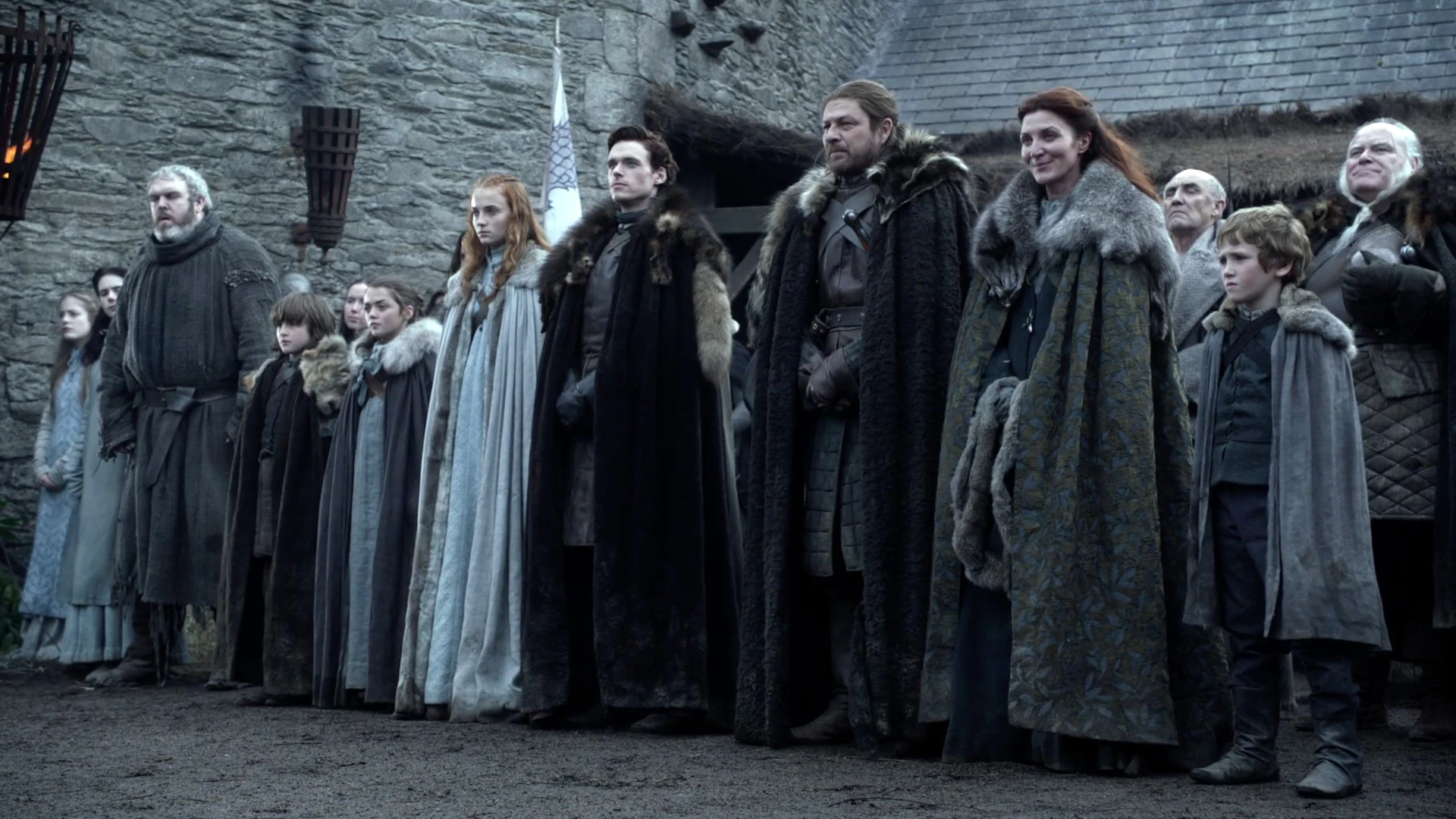
The fight for the Iron Throne is driven by numerous characters, each with their own motivations, alliances, and moral compasses. At the beginning, the noble House Stark of Winterfell, under Eddard Stark (Sean Bean), is catapulted into the deadly game of politics in King’s Landing as the king, Robert Baratheon (Mark Addy), requests that Eddard take the position of Hand to the King. This opens the door to a series of betrayal, war, and different factions that fight for the seat of the throne. While political scheming is a key element, the show also introduces supernatural elements that make the world of Westeros so rich and complex. Ancient and malevolent beings from the North, known as White Walkers, begin their march toward civilization, threatening all life.
Meanwhile, Daenerys Targaryen (Emilia Clarke), the last scion of the deposed Targaryen family, rises in the East, gathering followers and dragons as she aims to reclaim the throne that her family lost so many years before.
Overall, the show is filled with themes of loyalty, betrayal, revenge, family, and the brutal cost of power throughout its run. The political maneuvering and moral ambiguity of the characters make for a gripping experience, where no character is ever truly safe, and alliances can shift at any moment. Every season builds towards explosive moments that leave viewers on the edge of their seats, whether through bloody battles, unexpected deaths, or shocking revelations.
Characters: Complex, Flawed, and Unpredictable
The heart of Game of Thrones lies in the characters, none of which are straightforward. Every single character has a place where they grow into unpredictable, at times even questionable morality. Among the most notable characters, here are a few that will stand out from the pack:
Eddard Stark (Sean Bean)
The worthy leader of House Stark, Eddard represents integrity and honor at all costs.
When Eddard accepts the post of Hand of the King, the plot of the story moves forward, and it reaches a climax when he ultimately meets his tragic end, thus defining the whole story. This is made more agonizing by Sean Bean playing out his role as Eddard Stark, depicting that world where honor results in its downfall in brutal circumstances.
Jon Snow (Kit Harington)
This illegitimate son of Eddard Stark begins on the periphery but emerges as one of the most heroic and beloved characters by the end of the series. His journey from the Wall to becoming the Lord Commander of the Night’s Watch, and eventually playing a central role in the fight against the White Walkers, showcases his development into a leader. Jon Snow’s inner conflict and sense of duty make him a complex and compelling character.
Daenerys Targaryen (Emilia Clarke)
One of the most compelling arcs is Daenerys’ development from an exiled princess to the powerful Mother of Dragons.
Emilia Clarke brings out the transformation from a vulnerable young woman to an almost ruthless ruler in Daenerys. Her ultimate quest to reclaim the Iron Throne leads her to become a controversial figure, and her eventual fall from grace is one of the most debated aspects of the series.
Tyrion Lannister (Peter Dinklage)
Perhaps the most lovable character in the series, Tyrion Lannister is witty, intelligent, and politically savvy in the Lannister family. His family hates him because of his size, but time and again, he proves that his mind is his greatest weapon. Peter Dinklage’s masterful portrayal of Tyrion makes him both a tragic and triumphant figure in the world of Westeros.
Cersei Lannister (Lena Headey)
The power thirst of Cersei Lannister stems from her love for her children and her family’s desire to keep ruling. Her wicked and ruthless nature makes her one of the most dangerous and effective characters in the entire show. Lena Headey brings a chilling depth to Cersei, who is both a victim of her circumstances and a villain in her own right. Her ultimate pursuit of control over the Iron Throne is central to the show’s political drama.
Arya Stark (Maisie Williams)
One of the most interesting plot lines in Game of Thrones is the transformation of Arya Stark from a rebel little girl to an assassin with expertise. Maisie Williams makes her character shine as one of the highlights of the show, with immense character growth as she faces tragedy, vengeance, and the struggle to find her place in the world.
Themes: Power, Family, and Morality
Game of Thrones is a series that goes very deep into themes of power, family, and morality. One of the key questions the show asks is: What is the cost of power? Characters often make choices that have far-reaching consequences, and their pursuit of power is both a driving force and a tragic element in the story. The show constantly challenges the viewer’s understanding of right and wrong because no character is purely good or purely evil. Family is another such prime theme. The Stark and Lannister-Targaryen families must cope with their family links and loyalty, as well as betrayal. Bloodlines and family legacy weigh heavily on decisions the characters make and have a role in their reasons.
The show is also extremely concerned with the effects of violence, especially in terms of war and battle. Dragons and other mystical creatures are used to provide the fantastical elements, but it is the brutal, bloody politics that often lingers long after the episode has ended. Characters constantly have to decide whether they should fight for their survival or retain their humanity in a world that appears bent on destroying them.
Visuals and Worldbuilding: A Rich, Immersive Experience
One of the most striking things about Game of Thrones is the worldbuilding. The show creates this massive, immersive universe filled with intricate details and breathtaking landscapes, from the frozen wasteland beyond the Wall to the sun-baked lands of Dorne. Every region of Westeros and Essos has its own character and is entirely realized.
The show’s production design, costumes, and cinematography are exceptional, making the fantasy world feel real and tangible. The dragons, especially, are a technical marvel, with their size, realism, and terrifying presence adding an epic dimension to the series.
The Verdict: A Monumental TV Achievement
Game of Thrones is surely one of the most impactful and ambitious television series of all time. The detailed plotting, intricate characters, and dilemmas of morality all come together in an unforgettable viewing experience. Where the final season of this series divided the fans on its conclusion, the entire journey to the last episode was certainly a masterclass in storytelling, and it has become the new benchmark for the epic fantasy television. From its shocking deaths to the intricate political intrigue, Game of Thrones is a show to hold your attention and begs discussion. This is its world of power, betrayal, and honor, constantly in fluctuation, resulting in something as rich and unpredictable to those millions around the world glued to the screens.

