
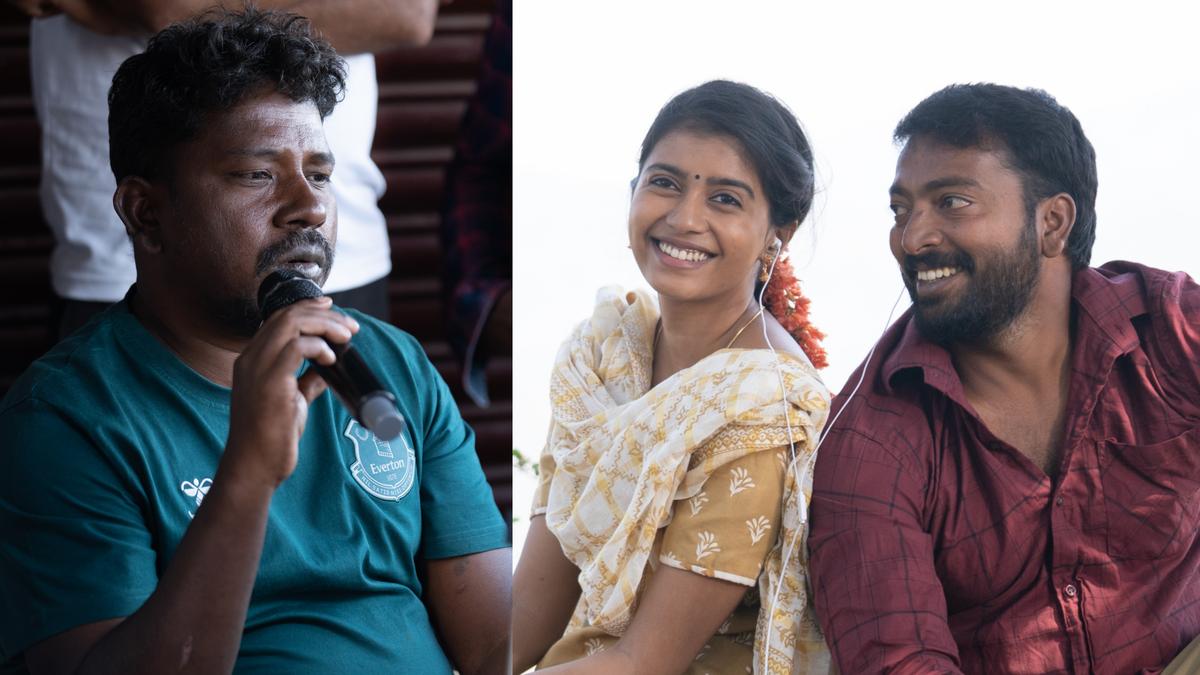
Director Athiyan Athirai exudes a quiet satisfaction, receiving feedback on his latest film, Thandakaaranyam, after a special screening. It’s a relief he surely feels, as this ambitious sophomore project arrives six long years after his debut, Irandam Ulagaporin Kadaisi Gundu. His gentle smile, when questioned about the extended gap, hints at a question he’s likely heard often. “After Gundu, I had many opportunities, even discussing a project with a major star,” Athiyan explains. “But by the time my script was ready, the COVID-19 pandemic struck. That actor already had several films postponed, so I had to move forward.” He then dedicated two years to Thandakaaranyam, meticulously crafting the story, conducting extensive fieldwork, consulting specialized sources, and scouting locations across states like Jharkhand, Chhattisgarh, and Kerala before commencing production.
What truly astonishes is that Athiyan completed principal photography for such an extensive film, featuring numerous actors and diverse landscapes, in just 38 days. The narrative follows a tribal man’s arduous journey from a Tamil Nadu forest to a harsh paramilitary training camp in Jharkhand, covering vast and varied terrains. “This incredible pace was only achievable thanks to our thorough pre-production,” Athiyan reveals. “We spent three months rehearsing. Everything, from military drills to the actors’ physical training, was meticulously planned in advance. We had to be extremely mindful of our actors’ schedules and our budget while filming in forests and various other locations.”
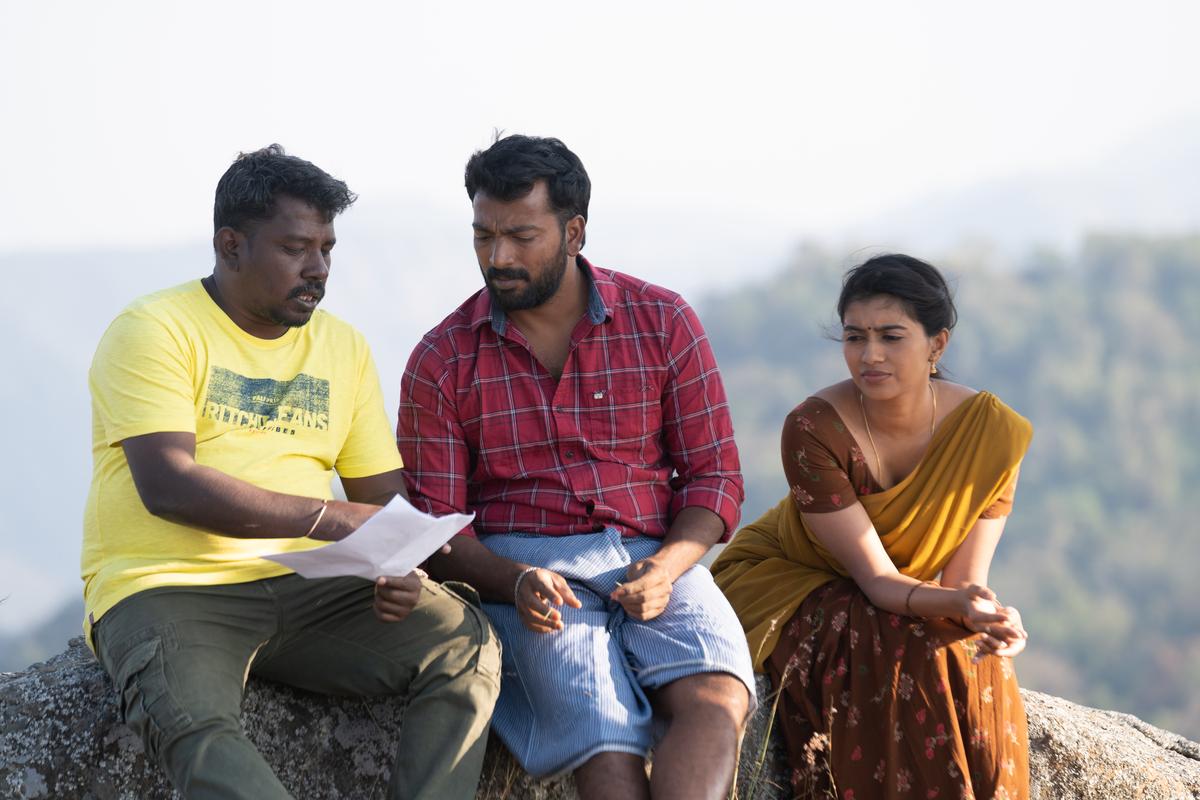
A significant pillar of support for the film came from producer Pa Ranjith of Neelam Productions, who placed immense trust in Athiyan. Thandakaaranyam marks Athiyan’s second collaboration with Ranjith, and the director expresses satisfaction with the production’s evolution over the past six years. “Back then, Neelam would produce one film at a time, but now, they manage multiple simultaneous productions,” he notes. “They’re embracing both smaller and larger stories, always prioritizing strong content.”
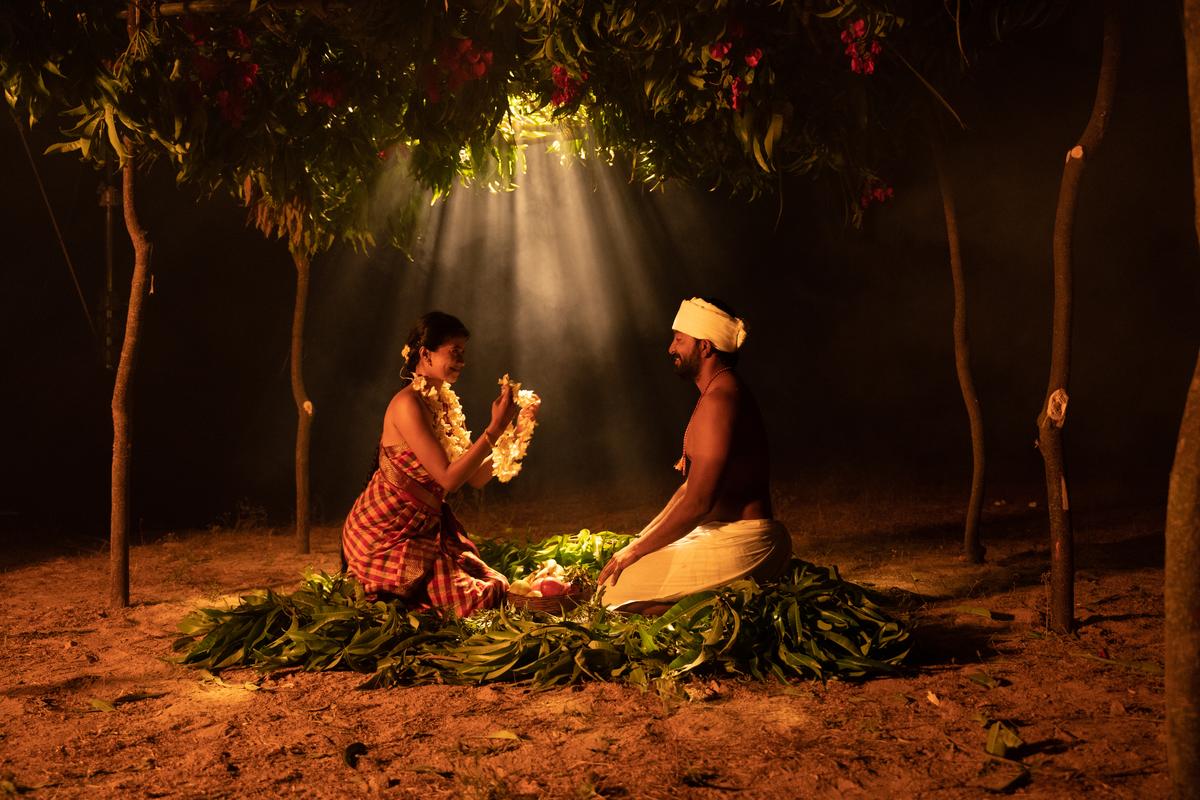
In one of the film’s most tender moments, Vinsu Sam’s character, Priya, asks her lover, the protagonist Murugan (played by Kalaiyarasan), if they could shed all their clothing in the heart of the forest and walk on shallow waters until they reach its edge. “What lies beyond the forest?” he inquires. Priya responds, “Beyond the forest is the town, human civilization, which would compel us to reclaim all that we’ve shed—our clothes, our identity, our gender, and so on.” This thought-provoking dialogue, elegantly delivered, leaves a lasting impression through its powerful allegory.
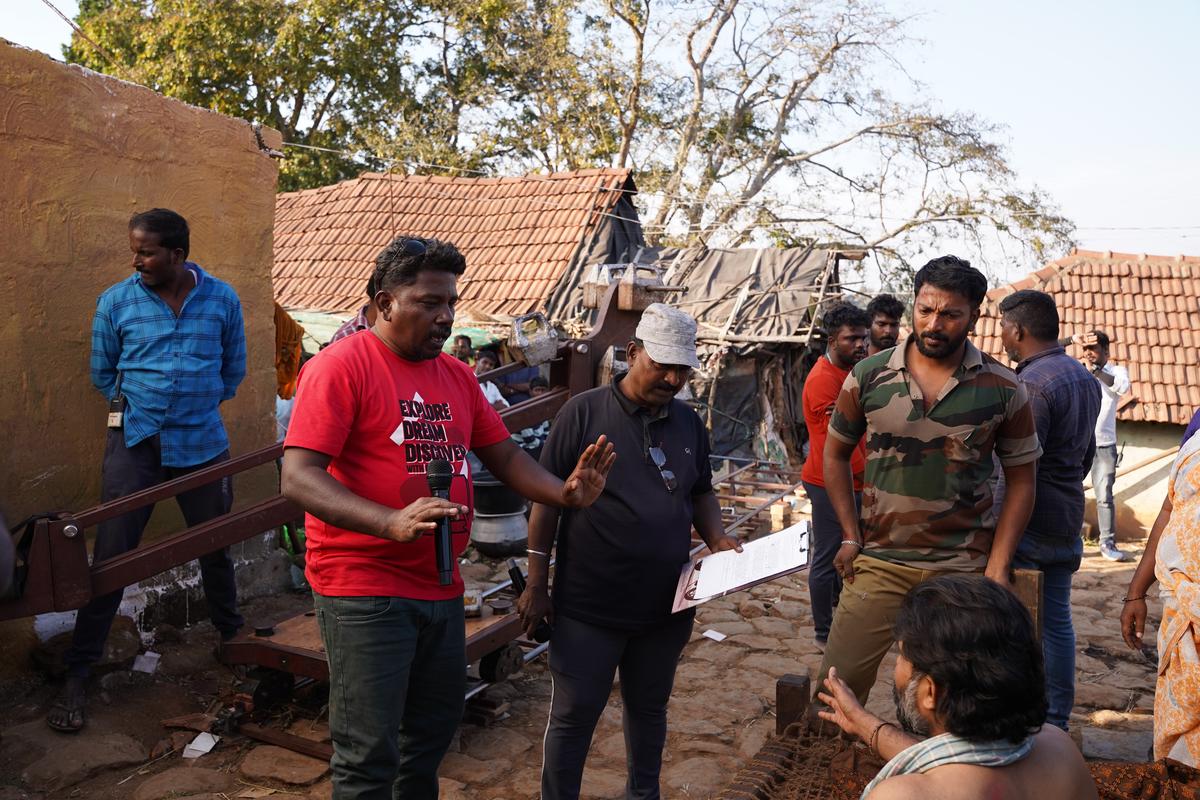
“That scene perfectly captures the tribal way of life,” Athiyan explains. “For them, nudity isn’t taboo. There’s a tribal custom where, after marriage, a couple would announce to the entire community their intention to spend the night in the forest. Under the moonlight, they would roam freely, bathe in the river, and consummate their marriage. This custom only ceased when outsiders from the plains began encroaching upon their lands. So, it was we who imposed our moral codes upon them,” Athiyan elaborates, then contemplates the broader meaning of clothing in human civilization. “In our modern era, clothes signify social status, caste, creed, identity, pride, and so much more. While we can’t revert to a past where we lived nude in a state of natural equality, we can strive for a future civilization where everyone is truly equal. It’s all that societal baggage that fuels depression, hatred, and violence. To live without such burdens is the true norm. We existed like that for millions of years; concepts like caste and creed only emerged less than 5,000 years ago.”
Another impactful creative decision is how Athiyan uses an oppari score to speak volumes, played over a black screen during the introduction credits, completely devoid of visuals. “My assistants suggested an animation for the opening credits,” he recalls, “but that would have meant creating music to fit the visuals. By playing it over a black screen, I wanted to allow the audience to imagine their own visuals.” Athiyan entrusted the film’s composer, Justin Prabhakar, to craft a score that would musically prepare the audience and immerse them in the forest’s atmosphere.
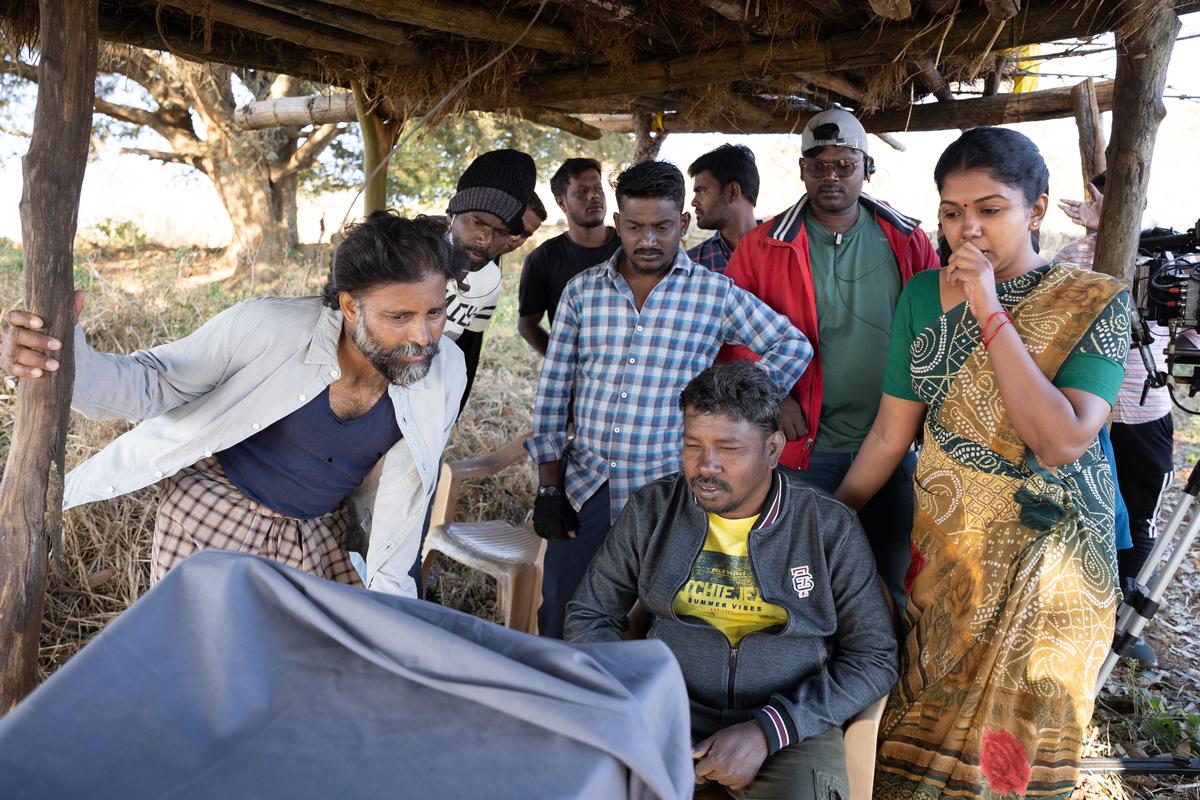
Athiyan is remarkably candid about potential audience skepticism regarding Thandakaaranyam’s perceived similarities to recent Tamil films like Taanakkaran and Viduthalai, especially since it explores the politics and struggles of a common man within a training camp. “While writing, I was acutely aware that my film shouldn’t remind audiences of those works, as it could pull them out of our story,” he states. “So, I made a conscious effort to gather information that hadn’t been featured in those films. It’s my responsibility to ensure my scenes are staged uniquely and intriguingly,” he asserts, adding that the anecdotes collected during his research were so distinct that he knew his narrative would naturally stand apart.
Before we conclude, I ponder if he ever worried about a segment of naysayers—internet trolls who might criticize art without fully engaging with it—labeling the film as pro-Naxalite. After all, without proper nuance and context, it could easily be misconstrued as whitewashing Naxalites. “No,” Athiyan replies firmly. “I am simply telling a story about a man and the individuals he encounters. He seeks to protect his country, but there are those, like foxes, who also claim to protect the nation, yet misuse their authority and position. They even threaten the very security they pledge to guard, all driven by their own greed. So, while I anticipate some people might jump to conclusions and criticize it, I am confident that they will appreciate my film if they genuinely watch it.”
Thandakaaranyam is currently running in theatres.