
Clevatess wastes no time establishing its brutal tone, eliminating thirteen heroes before the story truly kicks off. As if that weren’t enough, the fearsome demon king razes an entire kingdom in retaliation for this perceived insult. Yet, amidst the smoldering devastation, he inexplicably pauses to fulfill a dying boy’s final request: to care for a human infant.
This initial twist is genuinely disarming. While tales often feature monsters holding kingdoms hostage or gods banishing mortals, it’s rare to see a demon king utterly bewildered by a crying baby. Clevatess, a formidable, horned, fox-like creature, voiced by Yuichi Nakamura, isn’t softened by this unexpected charge. Instead, he approaches it as a curious experiment. He quickly brings back Alicia Glenfall – the sole female among the fallen heroes – purely because a caretaker is needed for the infant. His lack of understanding of human life is so complete that he even expects her to lactate on command.
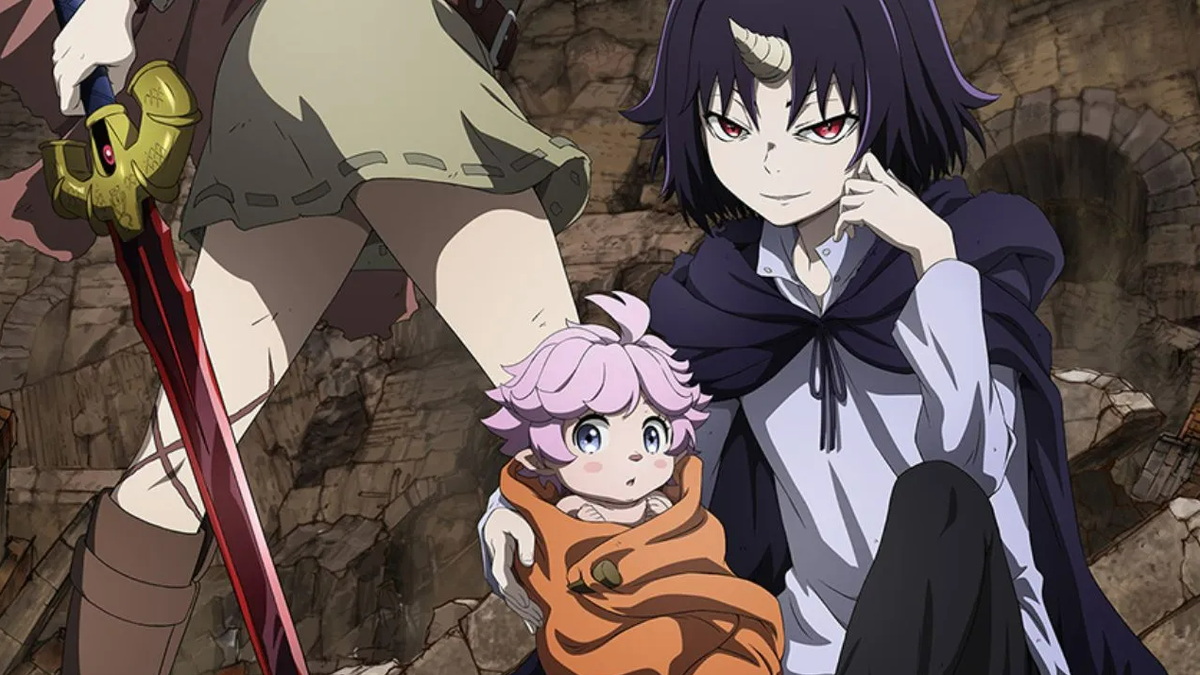
A key visual from ‘Clevatess’ | Photo Credit: Crunchyroll
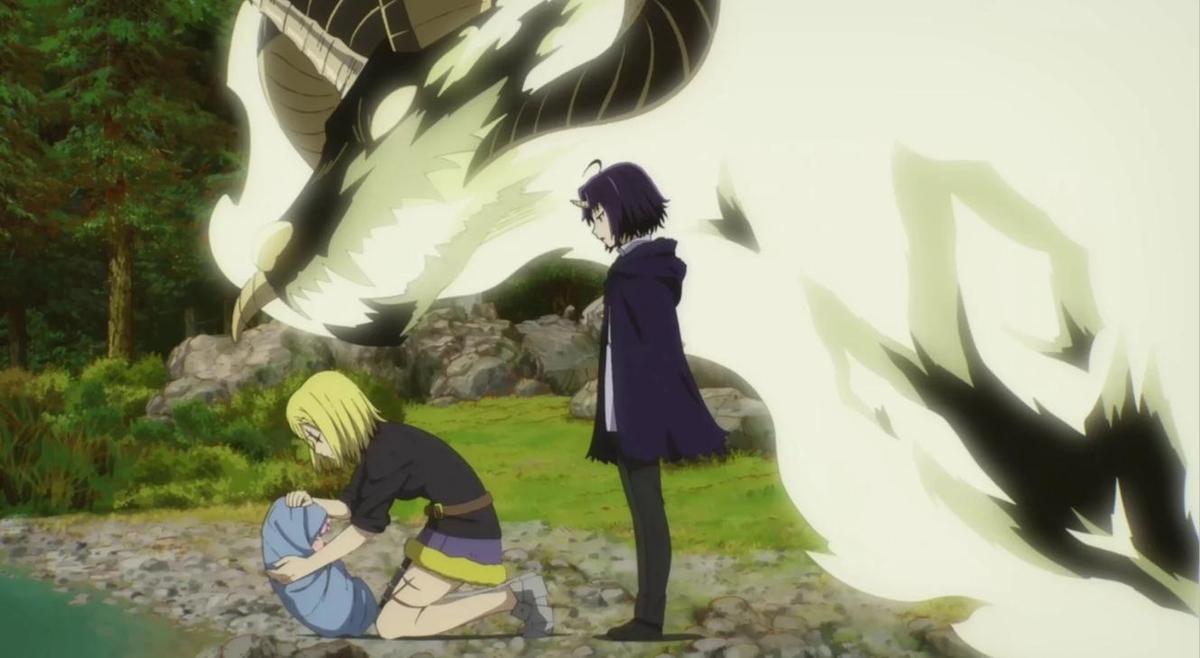
A still from ‘Clevatess’ | Photo Credit: Crunchyroll
This series is an adaptation of Yuji Iwahara’s manga, brought to life by Lay-duce with a raw, vintage aesthetic reminiscent of Oriental Light and Magic’s Berserk. While combat sequences are bloody, precise, and uncompromising, a significant portion of the show is dedicated to thoughtful dialogue and reflection.
The heart of the series lies in the complex relationship between Clevatess and Alicia. She bears the marks of numerous cross-shaped wounds, an eyepatch, and the profound burden of being resurrected. Yet, she stubbornly refuses to abandon her moral compass, even as her demon master dismisses morality as a mere human illusion. Their sharp, exasperated exchanges echo the tense, brittle dialogue found in Beckett’s works, portraying two characters trapped in a state of mutual dependence, constantly questioning the nature of obedience and command. Baby Luna, the unwitting heir to the devastated kingdom, serves as the vital catalyst, compelling them to remain together and forge a reluctant cooperation from the ruins of their shared destruction.
Clevatess (Japanese)
Fantasy often employs the “stranger in a strange land” trope to reflect our own society. In this narrative, the demon king’s disdain for human behavior is rivaled only by his intense curiosity. He observes, without sentiment, if humans choose to enslave, torture, or kill each other. Alicia, however, experiences every loss and betrayal on a deeply physical, emotional, and psychological level. Clevatess masterfully captures the profound poignancy found in the clash of these two contrasting viewpoints.
A truly remarkable strength of the series lies in its portrayal of women. Alicia, unwillingly brought back from the dead, could easily have been a mere plot device or a victim. Instead, she becomes the series’ emotional core. This former hero, who once yearned for adventure, is now forced to confront the corruption hidden within her kingdom’s traditions. Haruka Shiraishi’s voice acting imbues her with a steely vulnerability, depicting a woman torn between profound grief and unrelenting duty. She refuses to abandon her moral compass, even as it is repeatedly challenged, broken, or dismembered. Scarred, unyielding, and stripped of her former heroism, Alicia steadfastly carves her own path.
Nelluru, a former slave who later becomes Luna’s caretaker, represents an even more profound resilience. After enduring abuse and assault since childhood, her dignity and freedom are triumphs hard-earned. Even the dowager Princess T’ala, introduced much later, defies expectations by refusing to merely grieve. Instead, she steps into the unfolding chaos as a shrewd strategist and fierce protector of her kingdom. Collectively, these women serve as a powerful counterpoint to the demon king’s detached cruelty, often driving the show’s narrative energy more through their decisions than his own.
Clevatess truly excels in how it engages with traditional high fantasy tropes. Unlike Tolkien’s The Lord of the Rings, which centers on the sacredness of fellowship and destiny, here the fellowship is broken from the outset, and destiny itself is revealed as a construct. While Berserk shares a similar grim tone with its focus on the horrors of aftermath and corrupted power, Clevatess prioritizes intimate character development over grand spectacle. In contrast to its contemporary, Frieren, which uses the demon lord’s absence as a catalyst for emotional reflection, Clevatess boldly explores how the entire narrative shifts when the presumed villain endures.
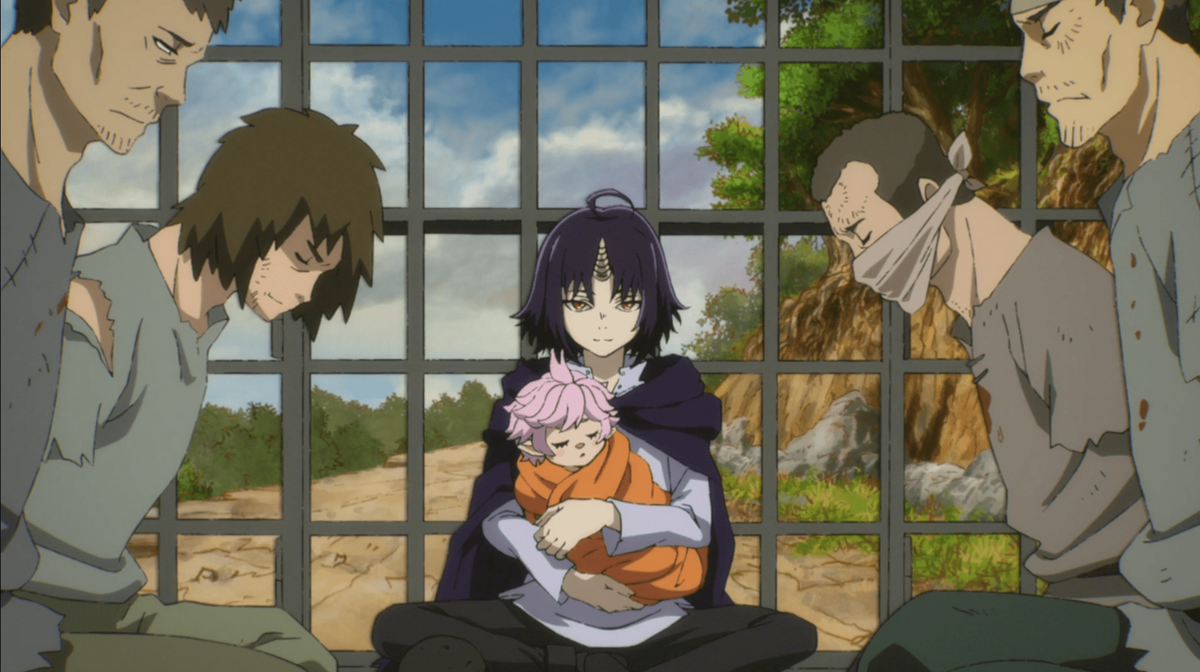
A still from ‘Clevatess’ | Photo Credit: Crunchyroll
This series is anything but gentle. Certain subplots delve into grim bleakness, aligning it more with the raw brutality of Goblin Slayer than the contemplative sadness of Frieren. Underlying all the violence are profound questions about the nature of power: who wields it, who endures its impact, and who perpetuates the illusion that it is their predetermined fate. The kingdom’s forge, unveiled late in the season as a system for fabricating kings and heroes, serves as a sharp allegory for the deceptive myths of legitimacy built upon sacrifice and hidden truths.
Ultimately, what truly elevates the series is its unique perspective. Clevatess, though immensely powerful, is even more remarkably perceptive. Unburdened by human conventions, he observes the hypocrisies of self-serving mortal lives with clinical detachment. While a typical hero might moralize, he meticulously catalogs. Where a villain might gloat, he simply shrugs. This anthropological gaze grants the series its distinct intensity – an examination of human intent through the eyes of an entity detached from it, powerful enough to need no one, yet accidentally compelled to care for one of our kind.
The deep intimacy woven throughout the narrative leaves a lasting impression. Despite its violence, Clevatess ultimately celebrates the challenging yet miraculous nature of coexistence. While fantasy typically explores how evil can be vanquished, this series poses a more intriguing question: what if evil persisted, not to dominate, but to truly understand the essence of care?
Clevatess is available for streaming on Crunchyroll.