
For decades, Marineland, located near Niagara Falls, has been a popular Canadian attraction, offering visitors close encounters with marine life. However, behind the rollercoasters and performances, the park has a long-standing reputation for animal mistreatment and ongoing financial difficulties.
In 2019, Canada enacted legislation prohibiting the captivity of whales, dolphins, and porpoises, though this did not affect animals already in existing facilities, limiting federal intervention in cases like Marineland’s.
The park has been under scrutiny for years, with the provincial Animal Welfare Services conducting over 200 investigations since 2020. While improvements in water quality have been reported, Marineland was also found guilty of animal cruelty in 2024 for neglecting three young black bears.
Since 2019, the park has seen the deaths of 20 whales, including one killer whale and 19 belugas, which the company attributes to natural causes, asserting the animals were well-cared for.
Park Facing Bankruptcy
With declining visitor numbers and its closure to tourists this spring, Marineland is reportedly on the brink of bankruptcy. Mayor Jim Diodati of Niagara Falls has expressed concern, stating the park is “burning the furniture to heat the house” due to a lack of funds.
Park officials claim they can no longer afford to care for the beluga whales and sought government permission to sell them to a theme park in Zhuhai, China. However, Fisheries Minister Joanne Thompson denied the permit, citing concerns that the whales would face similar poor conditions and be used for “public entertainment.”
The situation escalated last week when Marineland informed the government of a potential need to euthanise the whales, simultaneously requesting government funding for their continued care. A letter from Marineland suggested the outcome for the whales would be a “direct consequence of the minister’s decision,” a statement that drew criticism from the government.
Phil Demers, a former Marineland senior trainer and now a vocal critic, believes the best outcome is to move the whales out of Marineland quickly. He suggests a network of US facilities, each taking a few whales, as the most viable option if the China transfer is off the table. “These animals need to be out of those waters, yesterday,” Demers urged.
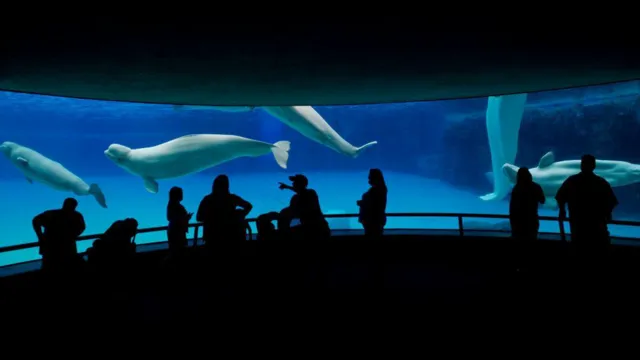
Animal welfare organizations are advocating for provincial intervention. Colin Saravanamuttoo of World Animal Protection Canada urged Premier Doug Ford to take primary jurisdiction and step in, stating, “This game of chicken between Marineland, the province and Ottawa is totally unacceptable.” The Whale and Dolphin Conservation has also called for independent veterinary assessments to ensure a humane outcome for each whale.
While a sanctuary in Nova Scotia is being developed by The Whale Sanctuary Project, it will not be ready until next summer and can only accommodate a limited number of whales. Charles Vinick, CEO of the Whale Sanctuary, noted, “There is no open sanctuary who can accommodate them today or tomorrow.”
Despite the challenges, there is a general sentiment that Marineland’s euthanasia threat is a tactic, but time is running out to find a permanent, safe solution for these animals. “It’s going to take more than one person, or one organization to provide these animals the quality life they deserve,” Vinick concluded.