
While Assam’s exquisite silks, like Muga and Eri, often steal the spotlight, the state boasts a rich textile heritage that includes cotton. Historically, Assamese cotton was known for its thickness, making it more suitable for household items than modern fashion. However, designer Anushka Das, the creative mind behind Anushka Annasuya and Kalpavriksh Design, saw an exciting opportunity in this challenge.
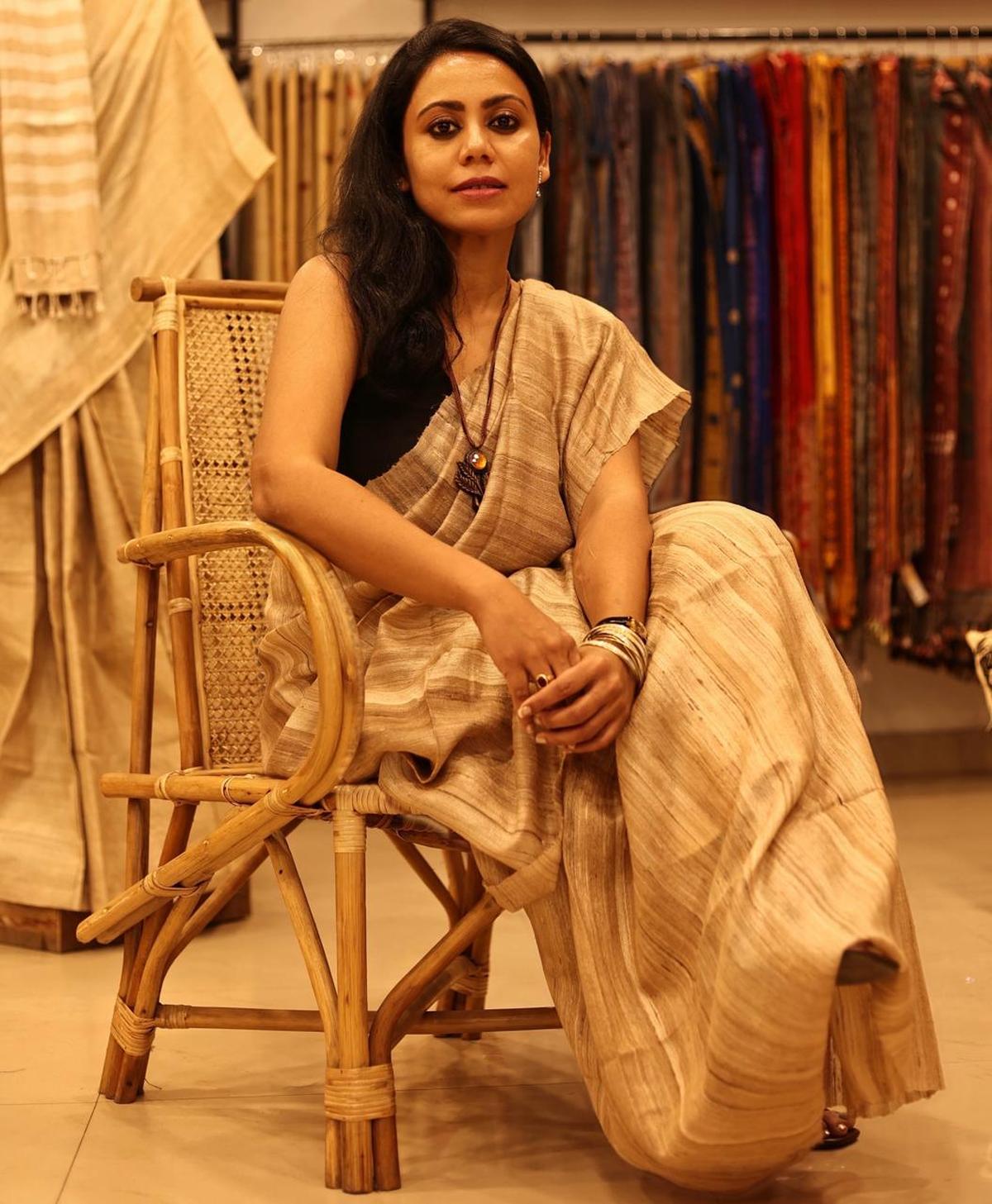
Anushka Das.
Anushka embarked on a mission to craft a lighter, more refined version of Assam’s cotton, a fabric that could elegantly narrate the region’s cultural tales through its unique motifs of local flora and fauna. Since late 2022, she has been collaborating closely with the talented women weavers of Aagor Society in Chirang district. Together, they are producing dress materials and home linens that beautifully blend traditional Assamese craftsmanship with contemporary functionality. Aagor currently operates 30 looms and works with women across Chirang, Kokrajhar, and Udalguri. Anushka also shares, “We’ve now extended our collaboration to the women weavers of Tezpur Mahila Samity, a co-operative established in 1947.”
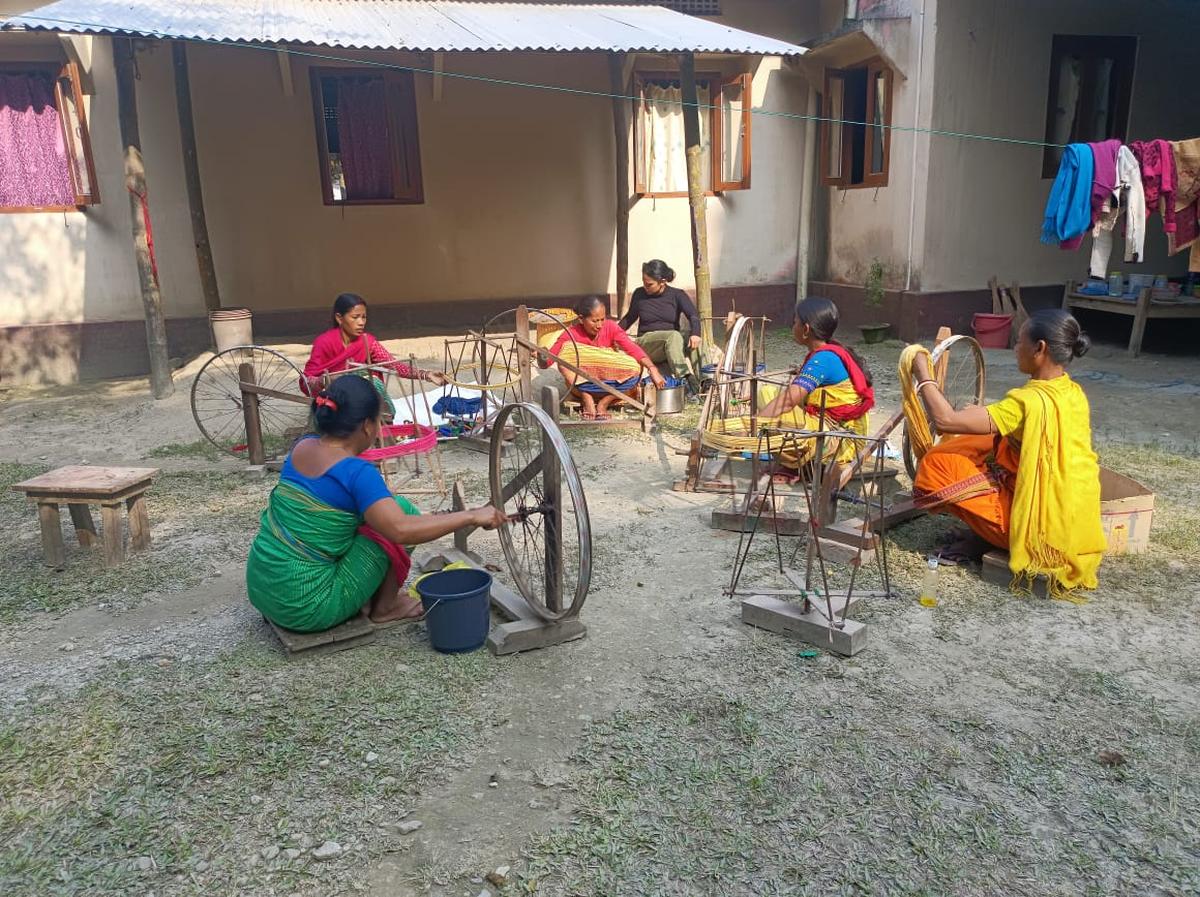
Traditional weavers of Assam.
Assam cotton is distinguished by its inherent strength, vibrant colorfastness, and a wonderfully soft, fluid texture. Anushka’s innovative approach marries traditional Assamese weaving techniques with high-quality Salem cotton yarns. These yarns are Azo-free, meaning they are processed without harmful synthetic chemicals, resulting in a sustainable and chemical-free textile. This dedication to purity ensures the intricate extra-weft motifs, for which the region is renowned, are beautifully preserved. “The absence of chemicals guarantees safety for both our artisans and the wearers,” Anushka emphasizes. “And exceptional colorfastness means the fabrics resist bleeding during washing, which is crucial for maintaining the integrity of our detailed designs.”
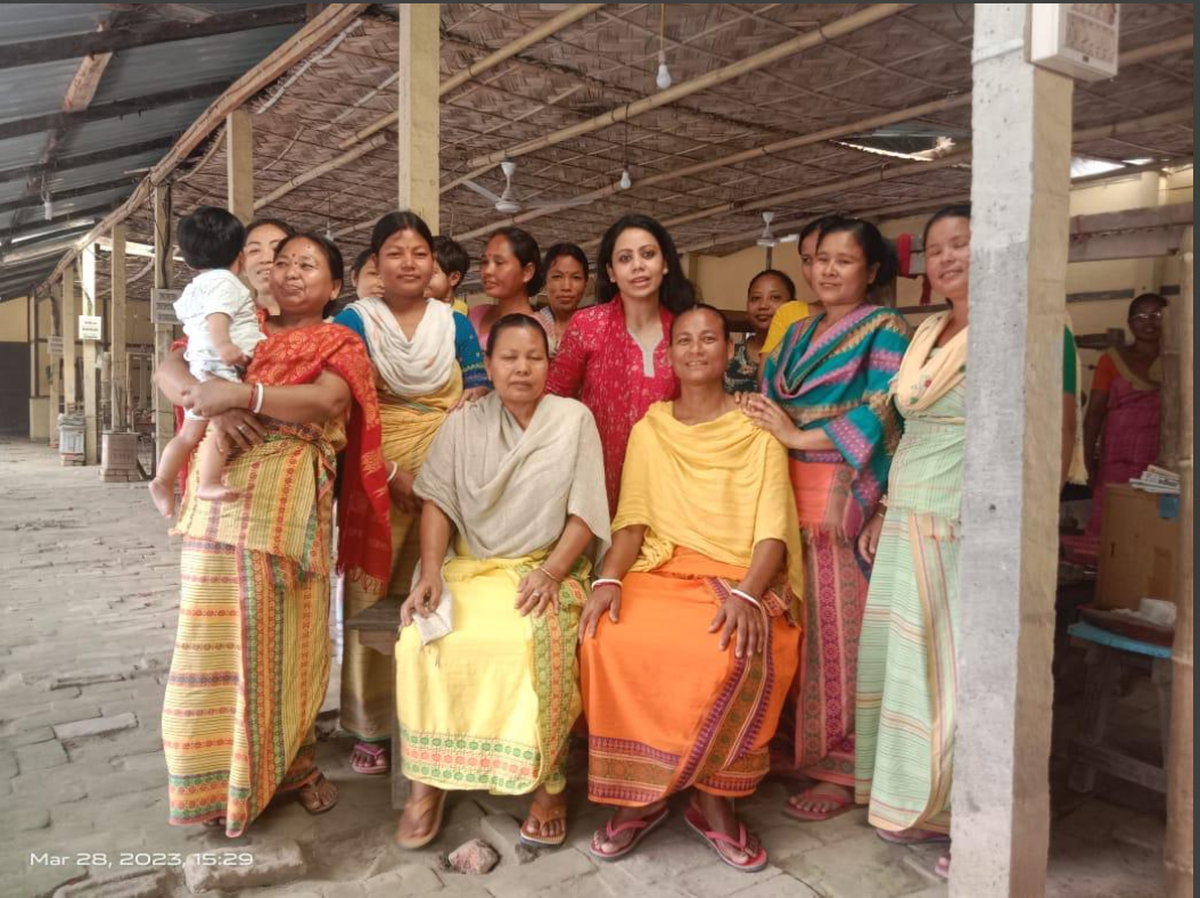
Anushka Das with the community of Bodo weavers.
Her design philosophy is deeply rooted in the state’s dual weaving traditions. “Assamese weaving is characterized by its soft cream or white base, subtly adorned with extra-weft motifs such as creepers, birds, rhinos, or the iconic jaapi (a traditional conical hat), creating a restrained yet elegant aesthetic,” Anushka explains. “In stark contrast, the Bodo tribe brings a more geometric and bold vocabulary, featuring motifs like dinghkiya bibar (fern), kasau bikha (turtle’s shell), and phareo megon (pigeon’s eye), often rendered in striking reds, yellows, and greens.”
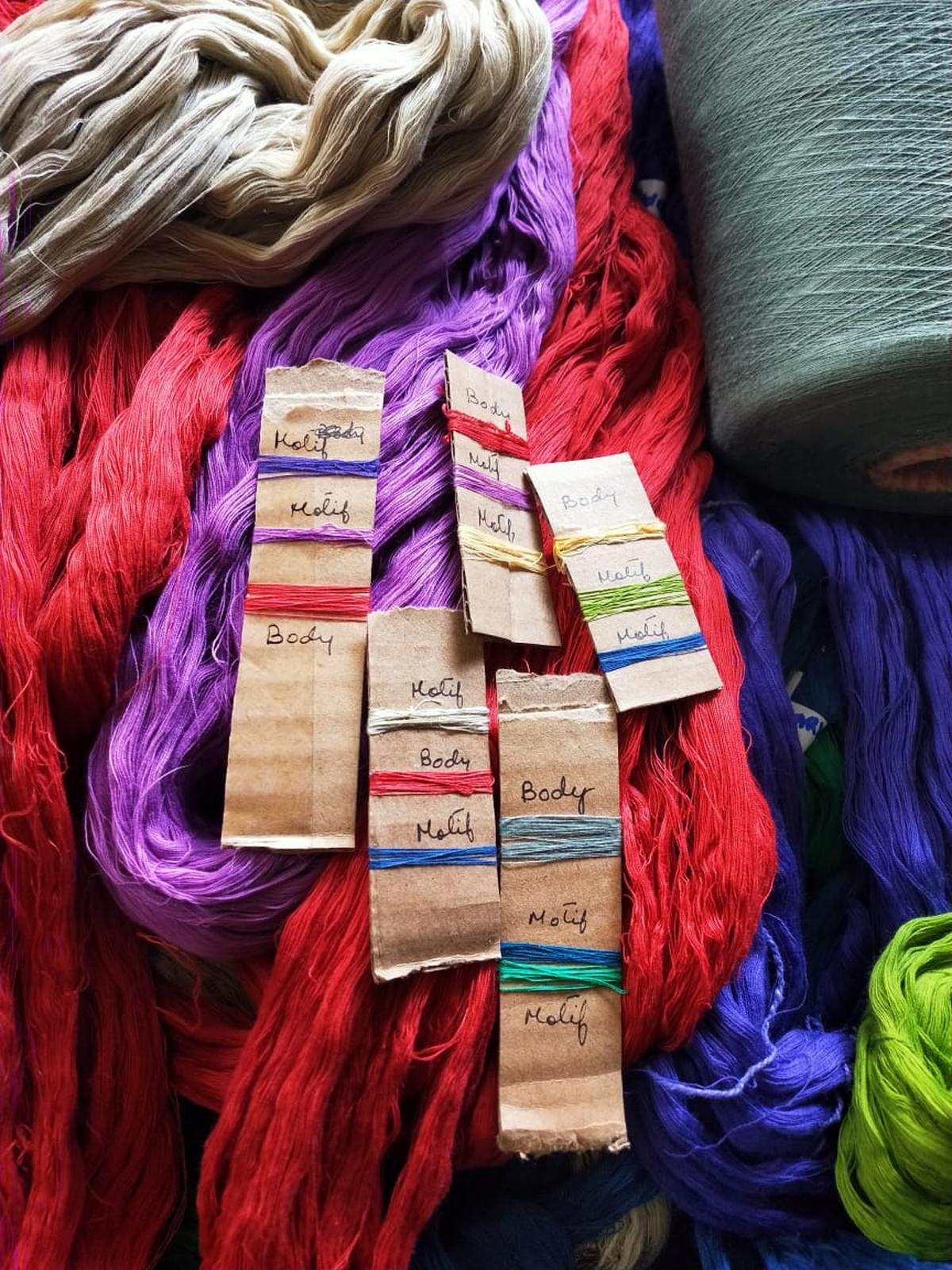
Color palette and story planning with the weavers.
For home decor items, the cotton thread count ranges from 20s to 40s, while for apparel, it can go up to 120s, allowing for remarkably lighter and more refined fabrics. This sophisticated understanding of textile design is a testament to Anushka’s 18 years of experience in the fashion industry. She honed her skills leading design collections for both domestic and international clients with acclaimed designers like Neeru Kumar and Ritu Kumar before launching her own label in 2011.
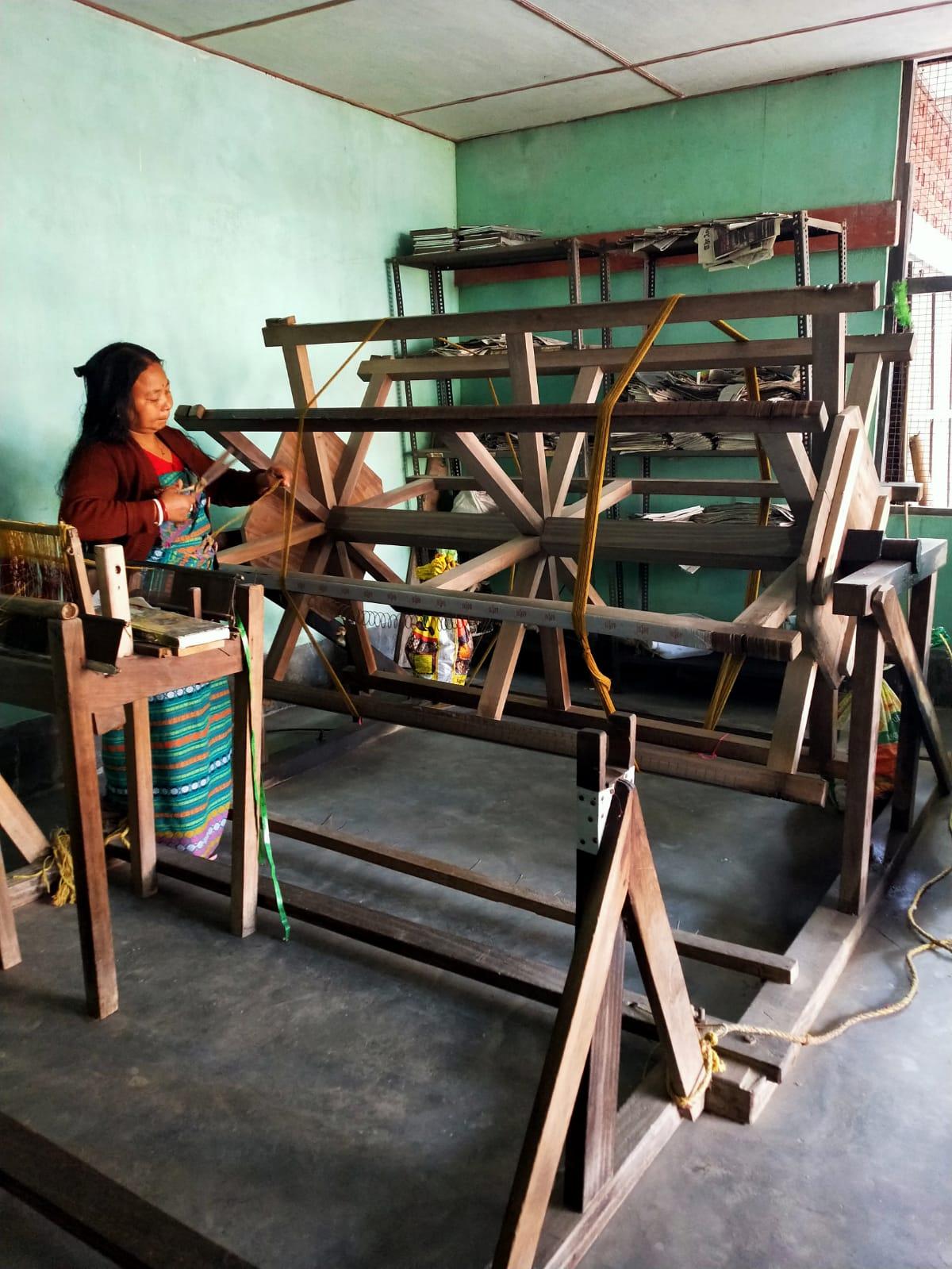
A loom set up in Chirang.
Anushka’s connection to Aagor dates back to 2004, when she first visited the weaving cluster as a student at NIFT Delhi for a craft sensitization project. That profound experience left a lasting impression. “Relocating here after 21 years has given me a deeper appreciation for diversity,” she reflects. “Today, taking on the responsibility for the livelihoods of the weaving communities in the Northeast has become my paramount commitment.” She commends Phungka Daimari, Aagor’s production manager, and Sushila Basumatari, the head weaver, for their invaluable partnership in this ongoing textile revitalization.
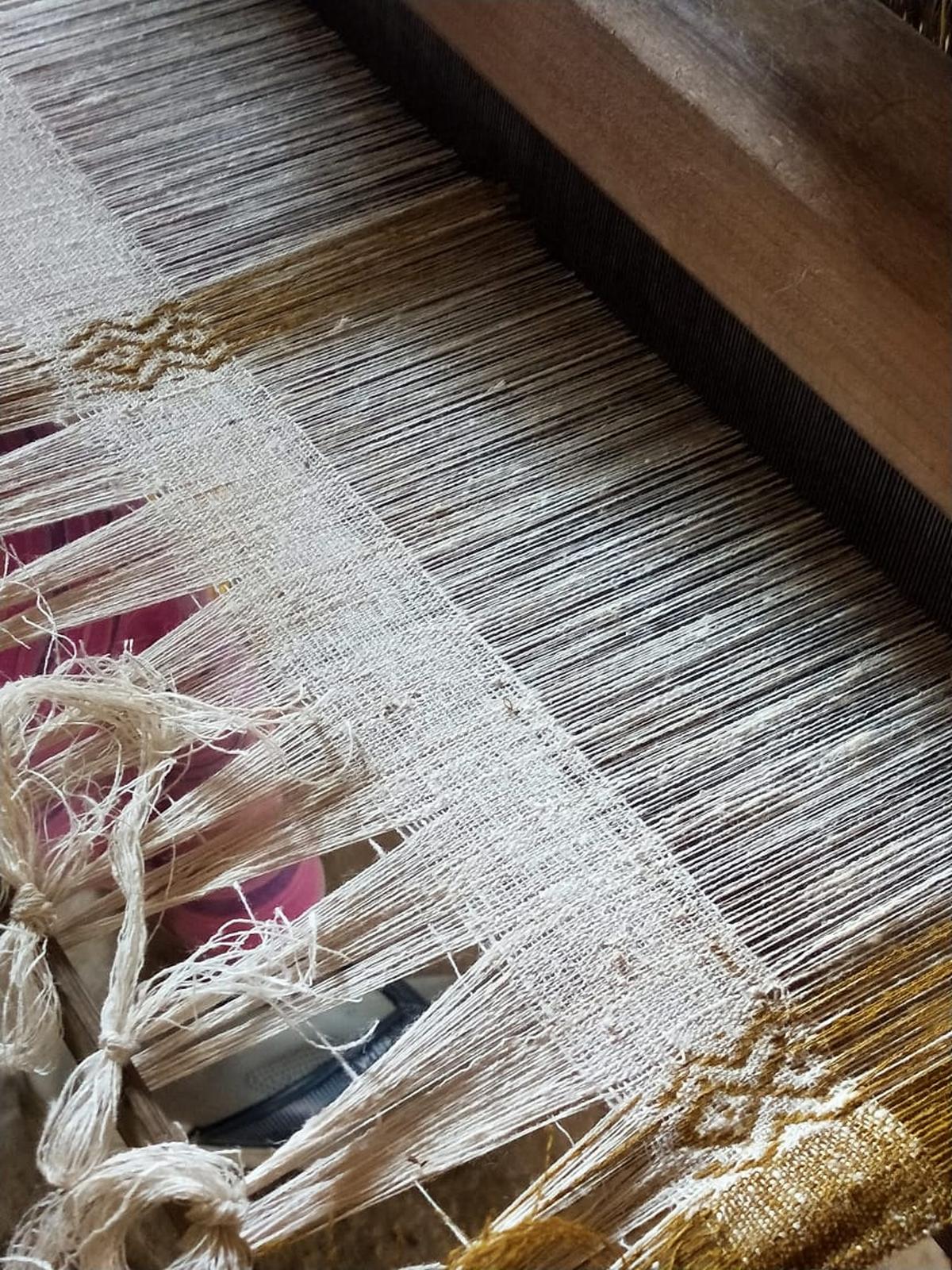
Eri stole.
When comparing Assam cotton to other Indian varieties, Anushka notes, “Assam cotton stands out for its softness, fineness, and fluid drape, often handspun with subtle slubs that impart a natural, almost silken feel. In contrast, Gujarat’s khadi is heavier and more rustic, Bengal’s tant is recognized for its crisp starchiness, and Tamil Nadu’s kora cottons are typically quite stiff.”
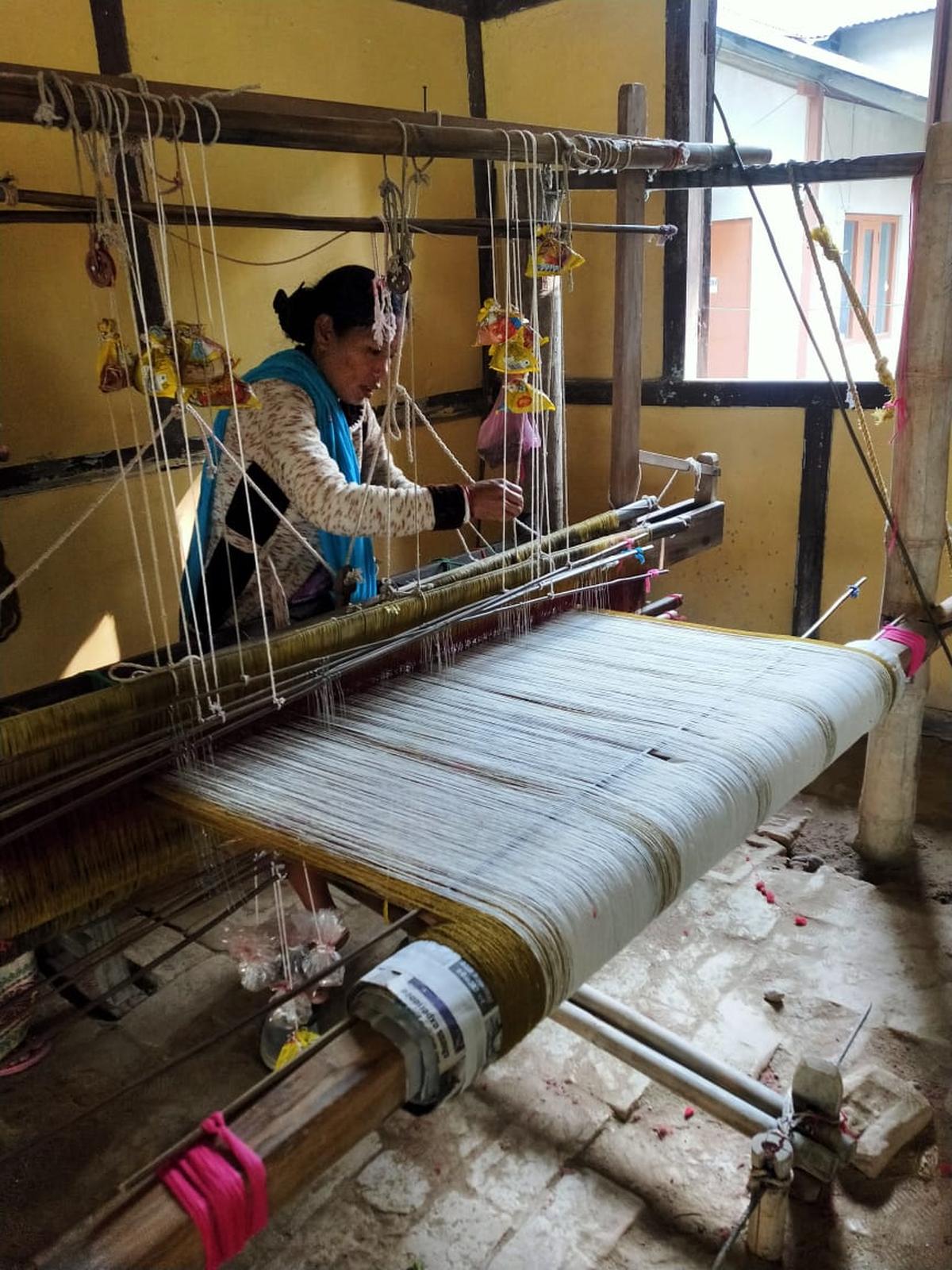
A weaver at work.
The traditional looms themselves also play a significant role in shaping the fabric’s unique character. Assamese looms, typically crafted from bamboo and wood, are lightweight and raised off the ground—an ideal design for the state’s humid and often flood-prone environment. These looms are specifically designed for plain weaves with intricate extra-weft insertions, allowing weavers to meticulously hand-pick motifs, which contributes to Assam cotton’s delicate patterns and distinctive drape. However, due to their smaller size, productivity remains more limited compared to the pit or frame looms commonly found in Bengal or South India.
Through this meticulous balance of traditional craft, innovative design, and community engagement, Anushka aims to reintegrate Assam cotton into modern wardrobes without sacrificing its rich cultural essence. “Assam’s cotton weaving tradition, with its unique linguistic and cultural tapestry, deeply reflects the heritage of its people and their intrinsic connection to the land,” she asserts. “These textiles are far more than mere garments; they are living tapestries, embodying resilience and artistry.”