
The teacher’s strike in Alberta has now reached its sixth day, affecting approximately 740,000 students across 2,500 schools. The provincial government and the Alberta Teachers’ Association (ATA) recently met for the first time since the strike began, though specific details of their discussions remain private. At the core of this ongoing dispute are demands for fair wages and addressing overcrowded classrooms, with teachers pushing for a significant increase in staff. As school days are missed, families are adapting with online lessons, and the province has offered limited financial support for childcare.
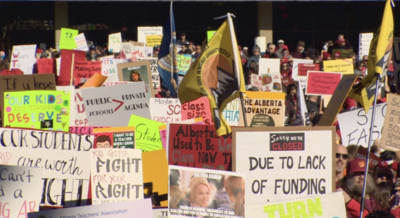
Alberta teachers demand more hires and smaller classes as strike stretches into its sixth day
Negotiations Resume Amidst Unclear Details
The recent meeting was the first formal dialogue since the strike commenced. Finance Minister Nate Horner hinted that the union’s latest proposal is intricate, requiring additional time for the government’s bargaining team to review it. While the ATA has indicated a desire for more teacher hires than previously offered, exact figures have not been released.
Understanding the Strike’s Origins
This strike stems from long-standing concerns regarding teacher compensation and the size of classrooms. The government’s previous offer, which teachers rejected, included a 12% wage increase over four years and the addition of 3,000 teachers. However, the ATA argues that this offer falls short of adequately addressing classroom overcrowding and the daily challenges educators face.
Government Support for Families and Students
In response to the disruption, Alberta has launched an online portal providing $30 per missed school day for children aged 12 and under, with payments retroactive from October 31. Additionally, the province has extended online learning resources by a third week. These materials, however, have drawn criticism for being disorganized and partly based on US educational content.
Public Sentiment and Community Support
Across Alberta, local union chapters are organizing rallies and solidarity walks, indicating a potential continuation of the strike. Public sentiment appears to largely favor the teachers, with an online poll revealing that nearly 60% of Albertans sympathize with the striking educators, compared to 21% who support the government. Even among past voters of Premier Danielle Smith’s United Conservative Party, support for teachers stands at 28%.
With talks ongoing and no clear resolution in sight, students, families, and teachers in Alberta continue to navigate significant disruptions, as the province grapples with a critical debate over education funding and classroom conditions.