
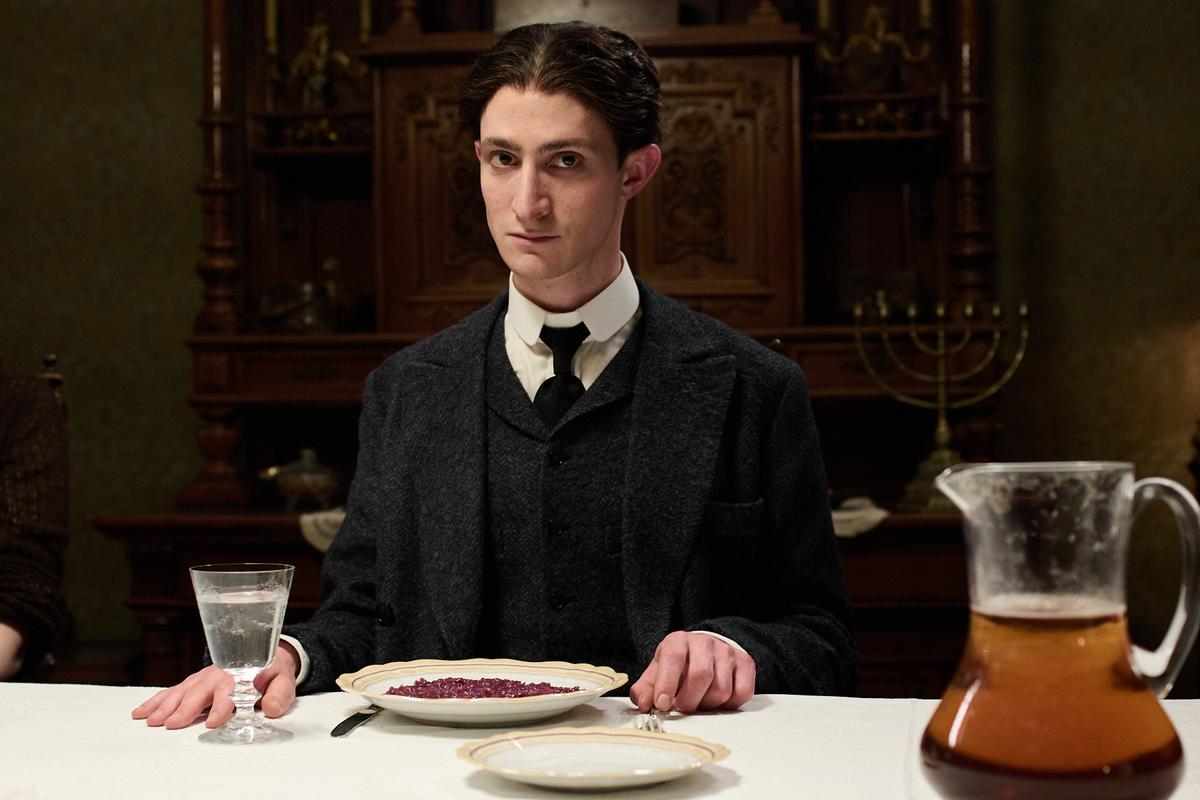
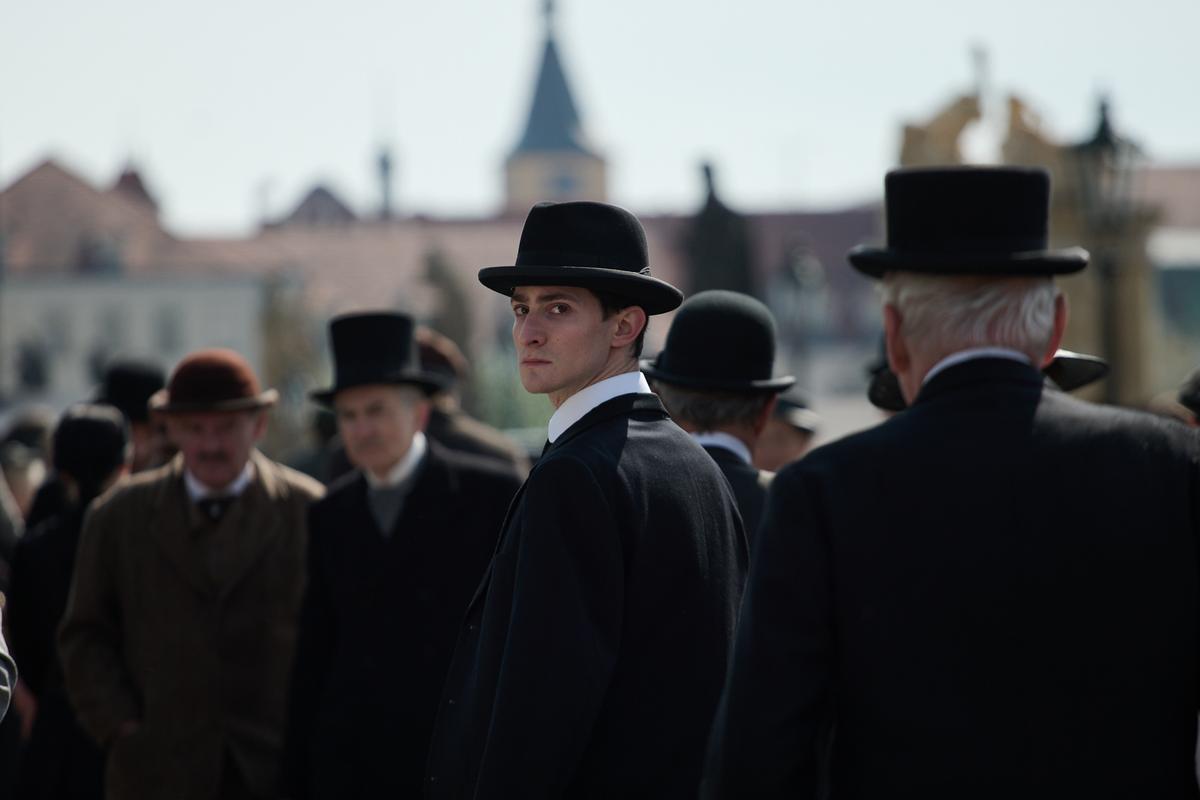
“Franz Kafka’s work offers a profound parable, open to diverse interpretations,” remarked Agnieszka Holland, the venerable figure of Polish cinema. Her vibrant biopic about one of literature’s most influential and enigmatic personalities is currently garnering significant attention across film festivals.
The film delves into Kafka’s deep concerns regarding faith and skepticism, aiming to distinguish the cultural icon “Kafka” from the man, Franz. It highlights how his prescient writings, such as the depiction of a penal colony and a totalitarian society – penned nearly two decades before the horrors of the gas chambers – resonate with chilling relevance in our present era.
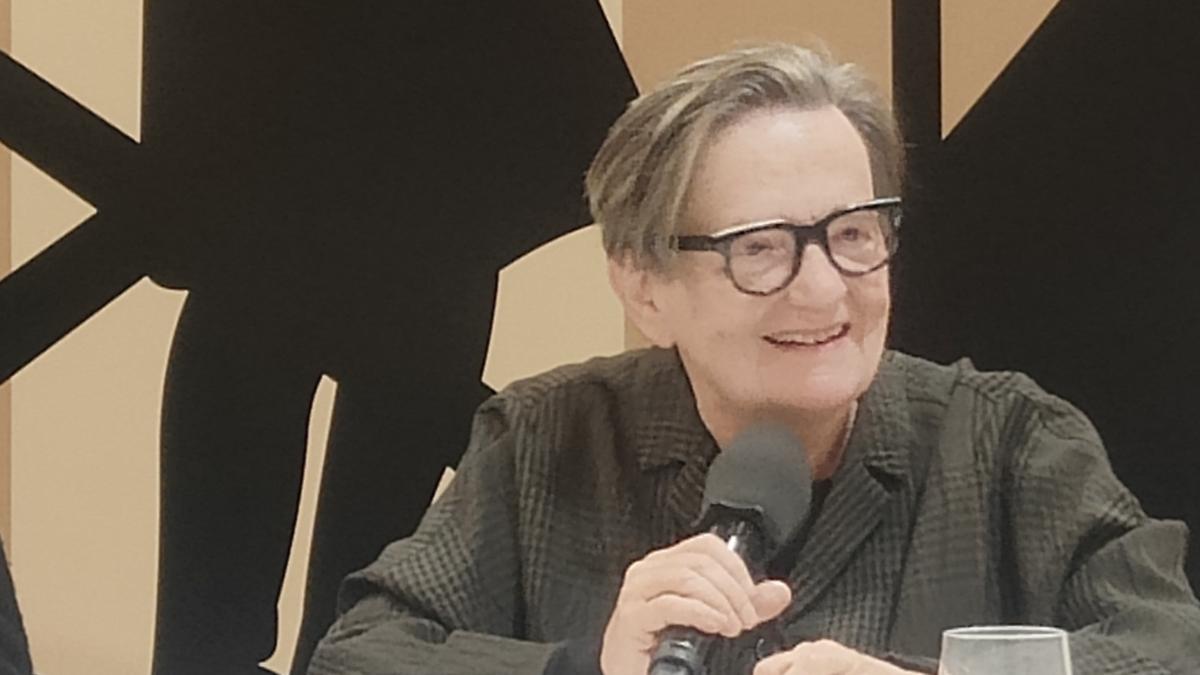
During a press conference at the 50th Polish Film Festival, where her film Franz stands as a strong contender for the top award and Poland’s official entry for the 98th Academy Awards, 74-year-old Ms. Holland shared her reflections. She noted that the world is currently entangled in numerous conflicts.
“We are steadily losing the foundational common ground that we believed had been established after the Second World War,” she stated. “This common ground, which we painstakingly built together, has faced erosion. While our trust was undoubtedly tested by imperialistic and totalitarian regimes, as well as pervasive injustice and inequality, a shared foundation for progress still existed. However, I now feel strongly that this crucial common ground has vanished.”
Pondering the film’s most profound and enigmatic quote, where Kafka suggests that “impatience and indifference” led to the loss of paradise, Ms. Holland affirmed its wisdom. She reiterated, “Impatience and indifference are the two primary transgressions of humanity.”
When questioned if “paradise” carried a political subtext referring to the Israel-Palestine conflict, Ms. Holland, who was raised in Prague by a Jewish father and a Catholic mother, revealed her deep connection to Kafka’s struggles, seeing her own experiences reflected in his.
“Identity can often become a restrictive trap,” she observed. “There are times when we genuinely believe that a person’s true essence transcends their skin color, language, or religious affiliation. Yet, invariably, a period arrives where people, consumed by conflict, become so entrenched in their own identity and perception of reality that they deny the right of any other reality to exist, let alone coexist. This is a perilous juncture, and I believe we are witnessing it right now.”
She further asserted, “Monsters are governing the world. Do you need me to list them?”
Ms. Holland admitted to sharing uncomfortable truths with both her Jewish and Polish communities. She posed a poignant question: “Is their identity itself the primary source of guilt, or is it perhaps the fear of losing that identity that drives their actions?”
The festival’s Main Competition was a vibrant showcase of both contemporary and classic Polish cinema, presenting 16 diverse titles. Among them was Michał Kwieciński’s Chopin Chopin!, a lively biopic that brings the life of the legendary Polish pianist to a social media-savvy generation. Other notable entries included Piotr Domalewski’s The Altar Boys, Kordian Kądziela’s Larp, Wojciech Smarzowski’s Home Sweet Home, and Maciej Sobieszczański’s Brother.
The Altar Boys presents a refreshingly light-hearted narrative about teenage boys who challenge the perceived hypocrisy of priests, proposing their own unique path to moral renewal. This film has emerged as a popular choice, skillfully blending arthouse sensibilities with commercial appeal.
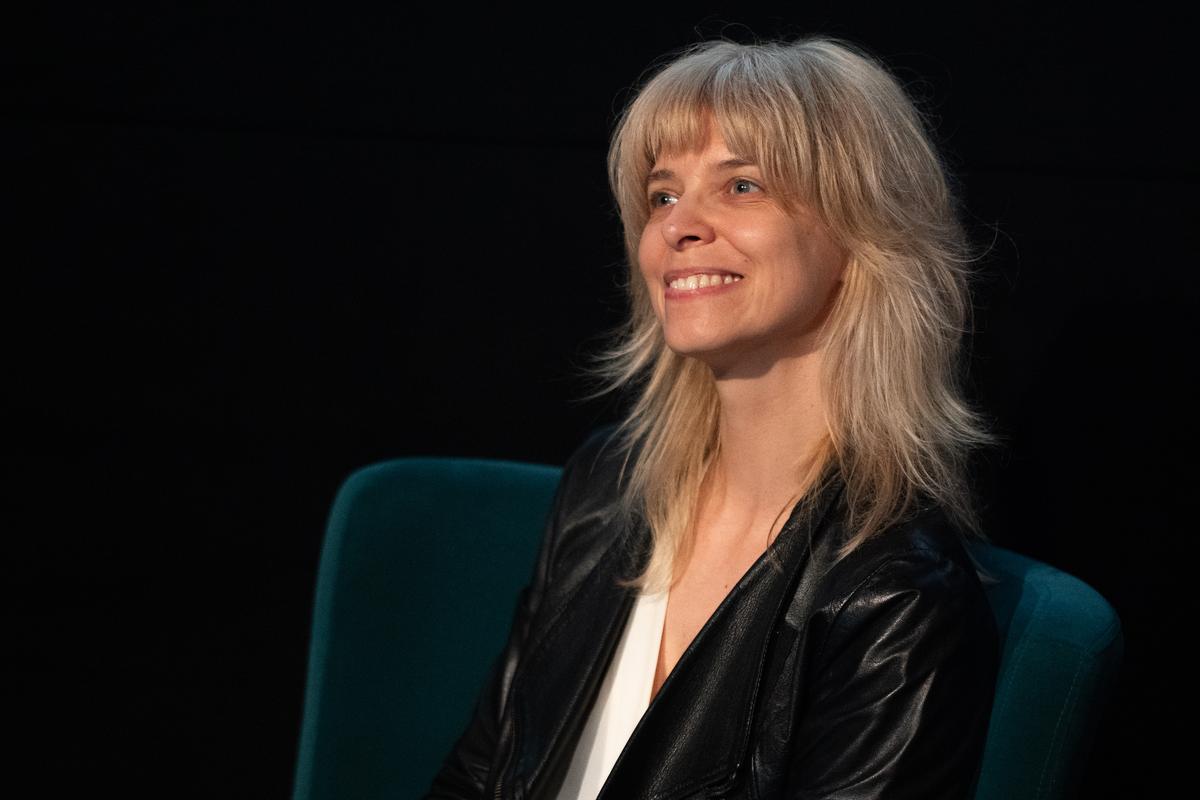
Artistic director Joanna Łapińska commented, “As we celebrate the festival’s half-century milestone, we are presenting an exceptionally diverse selection of films. Polish cinema is currently facing a period where domestic audiences are not frequenting theaters enough to watch local productions.”
“Therefore, our goal is to achieve a balance between our traditional arthouse cinema and the emerging, more commercially oriented wave,” she explained. “We feature films by established ‘big names,’ titles that have already gained recognition, and our exciting new discoveries from this year. I view this blend as a compelling starting point for a broader discussion about the trajectory and future of Polish cinema.”