
Director Shashank Khaitan consistently shapes the narrative for Karan Johar’s generation of talent, advancing the themes first explored in films like Kuch Kuch Hota Hai. His movies frequently delve into the lives of young, upper-middle-class Punjabi or Marwari individuals, navigating the tension between traditional family values and the evolving modern ideals influenced by the internet.
Khaitan’s earlier works, Humpty Sharma Ki Dulhania and Badrinath Ki Dulhania, were well-received. This festive season, he revisits a familiar formula, blending elements from both his previous hits. Where Humpty won over an already engaged woman and Badrinath confronted his patriarchal views for love, Sunny Sanskari Ki Tulsi Kumari introduces Sunny (Varun Dhawan) and Tulsi (Janhvi Kapoor) – two individuals recently rejected in love. Their decision to crash the wedding of their respective ex-partners, Ananya (Sanya Malhotra) and Vikram (Rohit Saraf), unexpectedly leads them to discover a powerful connection between themselves. As romance blossoms amidst the chaos, traditional mindsets clash, injecting fresh energy into this lively romantic comedy.
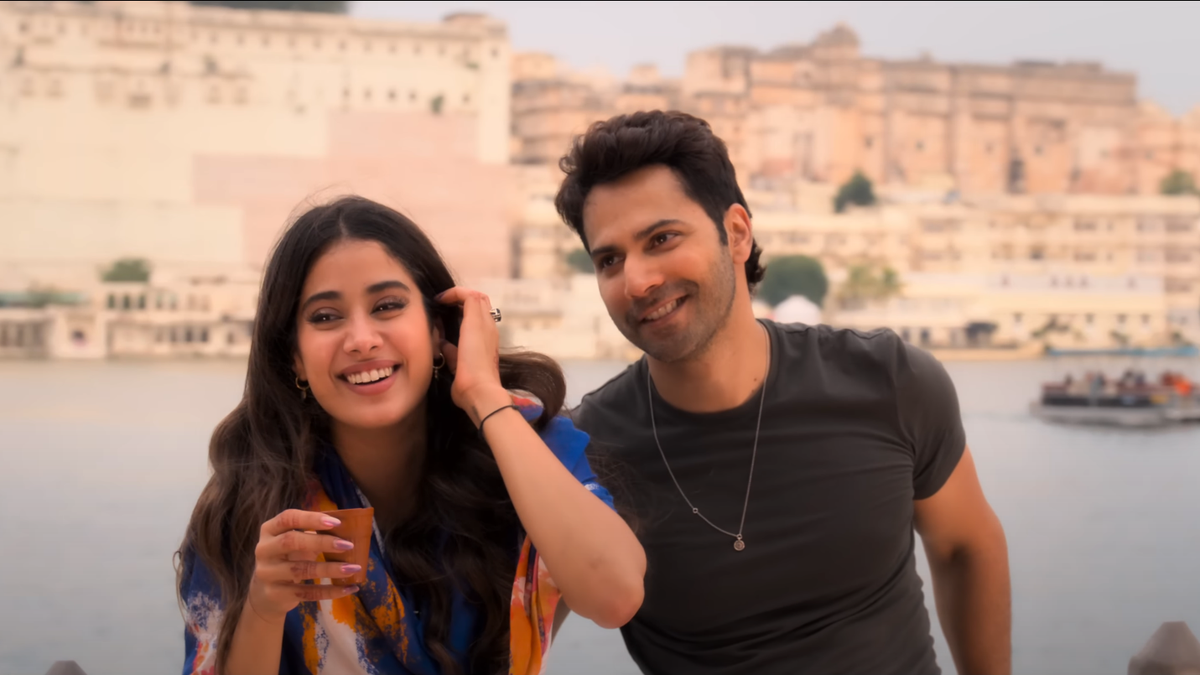
Janhvi Kapoor and Varun Dhawan in a still from ‘Sunny Sanskari Ki Tulsi Kumari’ | Dharma Productions
Designed as an entertaining watch for the festive season and a clear homage to the elaborate Indian wedding industry, the film doesn’t aim for deep storytelling or intricate character development. However, amidst the playful banter and witty remarks, Khaitan and co-writer Ishita Moitra subtly explore the ‘self-love’ generation and the complexities of modern relationships. Here, personal desires often take a backseat to the family’s rigid vision of a secure future.
Sunny Sanskari Ki Tulsi Kumari (Hindi)
Early on, veteran actor Salim Arif delivers a pivotal performance, setting the film’s tone with a crucial lesson on the importance of self-respect in romantic relationships. The narrative touches upon a girl’s struggle to maintain her identity when marrying into an affluent family, and a subtle yet sharp commentary on the societal pressure to conform to beauty standards, particularly in the age of Instagram.
Following the less successful Baby John, Varun Dhawan makes a triumphant return to his comedic strengths. He embodies a contemporary version of a classic Govinda-esque character: a seemingly carefree, mischievous middle-class boy with a genuinely good heart. Khaitan crafted the role of Sunny perfectly for Varun, who exuberantly dominates every scene, delighting the audience and single-handedly propping up the film’s somewhat thin storyline.
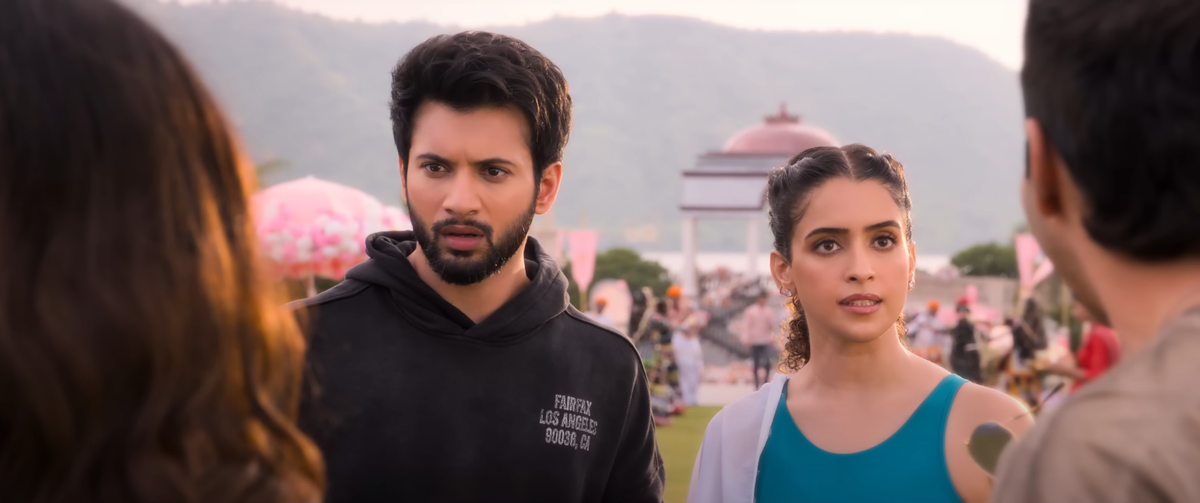
Rohit Saraf and Sanya Malhotra in a still from ‘Sunny Sanskari Ki Tulsi Kumari’ | Dharma Productions
Sanya Malhotra, known for her sincere performances, appears somewhat miscast in a film driven by flashy, attention-grabbing dialogue. Her understated presence, however, might inadvertently make Janhvi Kapoor seem more effervescent than she truly is. While Janhvi doesn’t quite fill the shoes of an Alia Bhatt, her portrayal of Tulsi—a quintessential Bollywood character who sheds her ‘girl-next-door’ image to become a glamorous diva—isn’t entirely lacking. Though her dialogue delivery could still use refinement, she genuinely conveys the internal struggles of a character that feels underdeveloped, much like her work in Homebound.
From the outset, Rohit’s character’s role as a secondary love interest is predictable. The plot unfolds with algorithmic precision, as supporting characters chime in with perfectly timed jokes and interventions. While the songs might not be as memorable as those in Khaitan’s earlier romantic films, Sunny Sanskari Ki Tulsi Kumari is ultimately a movie you wouldn’t regret watching, especially if you’re not the one buying the tickets.
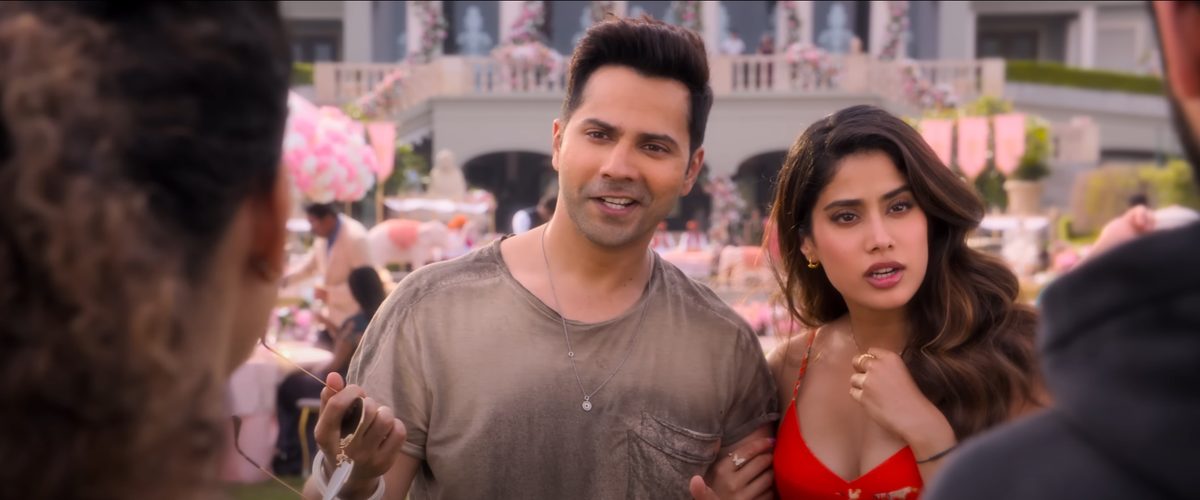
Varun Dhawan and Janhvi Kapoor in a still from ‘Sunny Sanskari Ki Tulsi Kumari’ | Dharma Productions
Sunny Sanskari Ki Tulsi Kumari is currently playing in theatres.