
David Brevik, the visionary co-creator of the original Diablo and its legendary sequel, Diablo 2, is one of the most pivotal figures in the action-RPG genre. His pioneering work laid the foundation for countless games, earning both titles a revered spot among the all-time best RPGs. After parting ways with Blizzard in 2003, Brevik explored new ventures like Hellgate: London and Marvel Heroes, eventually founding the publishing house Skystone Games in 2020. Meanwhile, Diablo 4 has evolved into a massive live-service game, grappling with the complexities of modern gaming and often feeling overshadowed by more agile, smaller competitors. I recently had the privilege of speaking with Brevik at length, keen to hear his thoughts on the current state of the iconic series.
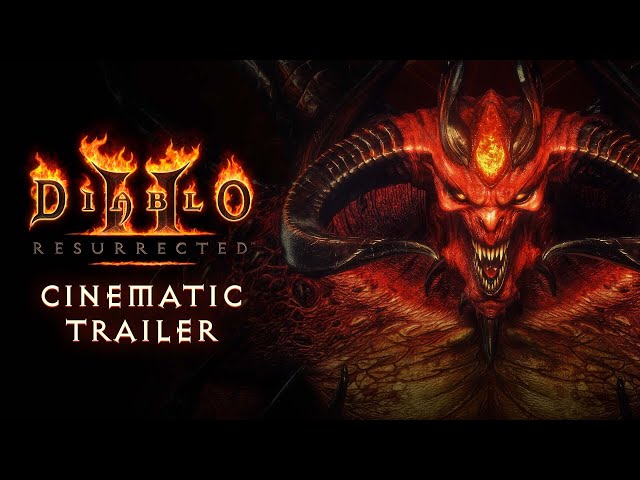
While I’ve thoroughly enjoyed my time with Diablo 4, it’s clear the game is currently navigating a challenging phase. Its seasonal updates, though consistent, rarely deliver truly groundbreaking changes. There’s a palpable sense, particularly evident in recent developer discussions, that Blizzard is hesitant to make bold moves, fearing a backlash from its enormous and passionate player base. Instead of innovative mechanical overhauls, we’ve seen the introduction of more cosmetic items, like costly Starcraft skins. In contrast, the remastered Diablo 2 Resurrected has largely remained untouched since its initial post-launch enhancements, quietly continuing with occasional ladder resets.
Brevik believes that game development today, regardless of scale, is incredibly tough, but especially so for major titles. “We’ve witnessed countless triple-A and double-A projects canceled in the past two years. It’s brutal, and for giant games, it’s exceptionally difficult. The risks are enormous, and the competition is fierce – a stark contrast to two decades ago.” He notes a growing trend of new studios being formed by “teams of veterans who’ve been in the industry for a long time but want to escape the instability of triple-A development.”
Blizzard’s strategy for Diablo 4 involves continuous evolution through DLC, but even this plan has shifted, with the next expansion now slated for 2026, breaking the initial promise of yearly content. Brevik attributes the difficulty of dramatic change to D4’s immense scale. “Whenever you have a huge game and you implement any changes, some players will inevitably be unhappy and vocal about it. It’s a truly tough situation when you’re super popular and your game is enormous; the expectations are sky-high.”
“It’s incredibly stressful to make any decisions. You have to set those pressures aside and say, ‘Look, I believe in the direction we’re heading. I believe in what we’re doing, and even if not everyone understands it, we think this is what’s best for the future of the product and the company.’ That’s a challenging thing to do. And, as I said, the expectations are incredibly high. Navigating that is never an easy task.”
Brevik speculates that the sheer volume of new games released annually often leads players to stick with their established favorites. “There are so many products, so many fantastic games out there, it’s hard to keep up and play everything. I think that’s another reason people gravitate towards these particular products [like Diablo 4]. ‘I really enjoyed playing this, I’m going to keep coming back to that.'”

Today, much of the innovation originates from smaller studios. Just as the first Diablo was heavily influenced by dungeon crawlers like Rogue, we’re now witnessing a full circle with the rise of modern roguelikes. “The very essence of Diablo is rooted in Rogue and its systems,” Brevik explains. “In many ways, roguelikes are drawing inspiration from Diablo’s core, just as Diablo drew its inspiration from Rogue. They differ significantly, but their fundamental roots are very similar.”
This rings especially true for games like Vampire Survivors and Megabonk, which brilliantly distill the ARPG experience into its most essential form. While the definition of ‘roguelike’ has broadened considerably, Brevik notes that “that’s actually how the term ‘action-RPG’ came about. Part of Diablo’s magic was that no one knew quite how to categorize it when it first launched. It was like combining chocolate and peanut butter. Was it an action game, or an RPG?”
As someone who regularly describes new games, I understand the value of genres, but I’ve always believed their definitions are fluid, especially as developers increasingly blend influences. “I think we’re seeing more and more genre mixing,” Brevik observes. “It’s genuinely difficult to label something precisely.” A prime example is Skystone-published Tyrant’s Realm, released in January, which beautifully merges PS1-era aesthetics, methodical Dark Souls-inspired combat, and roguelike replayability.

“I adore that style of game,” Brevik shares. “When we first signed it, there weren’t many like it. It had a wonderful retro vibe, and I really appreciated that.” He was “super happy” with Tyrant’s Realm’s reception, finding it a more accessible approach to Souls-like combat. “I’m not particularly skilled at those games – I love playing them, but I just don’t have the dexterity. Mixing in the roguelike elements, I think, truly makes it stand out.”
Bringing the conversation back to the challenges of change, I pivoted to Diablo 2, which celebrates its 25th anniversary this year. As mentioned earlier, Blizzard initially introduced several additions to its remaster, including dynamic ‘terror zones’ and entirely new runewords that expanded build possibilities. However, since Diablo 4’s release, these additions have largely ceased, with the game now primarily receiving maintenance and occasional ladder resets. I asked Brevik whether he prefers this strategy of ‘preserving’ his creation in its original form or embracing more changes to keep it feeling fresh.
“It’s certainly a risky path to tread, isn’t it?” he pondered. “Because you might, in some ways, alter the product’s history; they don’t want to stray too far from that. I think the more you add, the more you change, the further it drifts from its core identity. So, it’s a dangerous road to go down, but I believe they found a good balance and seem to have satisfied a lot of players.”

Ultimately, he expresses gratitude that Blizzard continues to treat Diablo 2 with a reverence that suggests it already possesses everything needed to endure. “I think they did a good job. And they’ve essentially said, ‘That’s sufficient for now; we’re just going to move forward.’ To me, that felt like a very respectful decision, which was truly appreciated.”
Which Diablo game holds your top spot? Share your thoughts with fellow ARPG enthusiasts on the PCGamesN community Discord server!