
Harvard Business School (HBS) has officially ended its $25 million Racial Equity Action Plan. This initiative, launched in 2020 following widespread calls for greater diversity, aimed to address the low representation of Black faculty and students while fostering a more inclusive campus environment.
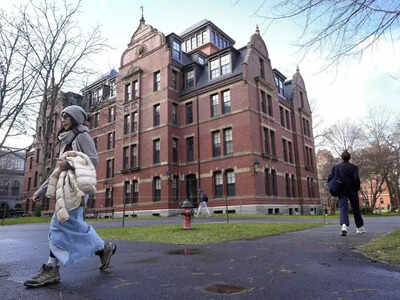
As reported by The Harvard Crimson, the plan’s dedicated website has been taken down and now redirects visitors to the Office of Community and Culture (OCC), which is a rebrand of the former Office of Diversity, Equity, and Inclusion.
The Original Vision
The Racial Equity Action Plan committed $25 million over ten years to various initiatives. These included efforts to recruit more Black and minority faculty, develop diverse case study materials, and enhance racial equity training. HBS also introduced fellowships, such as the BiGS Fellowship for visiting scholars focusing on inequality and race, and the RISE Fellowship, which provided $20,000 to students working with marginalized communities of color.
In 2021, the school also joined the OneTen Initiative, a program dedicated to creating opportunities for Black workers who do not hold four-year degrees. Furthermore, HBS partnered with The PhD Project to strengthen the pipeline for minority faculty.
Five Years of Progress: A Mixed Picture
Data from HBS, as highlighted by The Harvard Crimson, indicates that the plan achieved limited progress. Between 2020 and 2025, Black faculty representation consistently remained between three and five percent, with Black staff representation also hovering around four to five percent. The Crimson noted no significant increase in the hiring of new minority faculty during this period.
Some programs saw changes in their focus. For instance, the RISE Fellowship now supports students assisting “under-resourced communities” broadly, rather than specifically communities of color. The current status of collaborations with OneTen and The PhD Project has not been publicly disclosed.
Oversight and Accountability Concerns
The plan was overseen by a 25-member advisory group, which included prominent figures like Kenneth Chenault, former CEO of American Express, and Kenneth Frazier, former CEO of Merck. Both were also involved with the OneTen initiative and were expected to ensure HBS met its diversity goals.
However, many members of this task force did not respond to inquiries from The Harvard Crimson. The school has also not provided a detailed breakdown of how much of the $25 million budget was spent or how any remaining funds will be utilized.
A Broader Approach and Shifting Language
HBS officials explain that the discontinuation reflects a move towards a more inclusive approach. Terrill L. Drake, Chief Community and Culture Officer, informed The Harvard Crimson that the OCC’s mission is to support all members of the community, emphasizing that diversity work will continue but with a “broadened” focus beyond race.
This shift in language and strategy aligns with a national trend observed across U.S. colleges. Many institutions are reframing or reducing race-specific diversity initiatives, opting for more inclusive terms like “community” and “belonging” for their offices and programs.
Looking Ahead: Unanswered Questions
The long-term implications of this decision for HBS students and faculty remain uncertain. The Crimson reports that the school has not yet established new targets for racial representation, nor has it indicated whether a new, comprehensive plan will replace the 2020 initiative. The end of the Racial Equity Action Plan marks a significant turning point, leaving the future of HBS’s bold diversity vision unclear under its new framework.