
The shocking death of Charlie Kirk, the 31-year-old founder of Turning Point USA, on a Utah college campus during a public debate, has unleashed an unprecedented wave of controversy, censorship, and political backlash across the nation. This tragic incident has forced a critical examination of free speech on U.S. campuses, becoming a stark flashpoint in the ongoing struggle with political polarization, campus safety, and the very limits of constitutional expression.
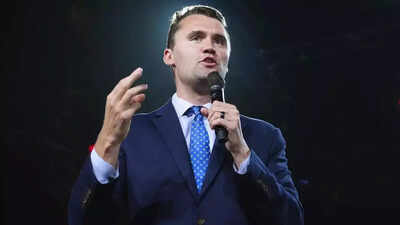
The ripple effects of Charlie Kirk’s death and the battle over free speech in schools.
The Tragic Event
Charlie Kirk was fatally shot during a heated debate concerning school shootings. Authorities quickly charged 22-year-old Tyler Robinson, who allegedly targeted Kirk due to deep ideological differences, with evidence pointing to a personal vendetta. First Amendment experts have chillingly labeled this act as “the ultimate form of cancel culture,” underscoring the lethal intersection of political disagreement and academic discourse.
Widespread Repercussions
The incident triggered an immediate and highly polarizing response:
- Former President Donald Trump swiftly condemned left-wing organizations as “domestic terrorists” and vowed federal intervention to safeguard campus speech.
- Late-night host Jimmy Kimmel was indefinitely removed from ABC’s lineup following controversial remarks he made regarding the administration’s handling of the situation.
- Across the country, education departments and school districts initiated investigations into teachers’ social media posts, scrutinizing those who either criticized or appeared to celebrate Kirk’s death.
Educators Under Fire
Reports from The 74 Million highlight numerous instances of educators facing severe scrutiny and punishment:
- In Virginia, a teacher was suspended for posting, “I hope he suffered through all of it.”
- A Texas educator faces termination for suggesting Kirk’s death was a “consequence of his actions.”
- Another teacher in Iowa was placed on leave after writing, “1 Nazi down.”
Adding to the legislative pressure, South Carolina Representative Nancy Mace has proposed legislation to withhold federal funding from schools that fail to dismiss staff members who “glorify or justify political violence.” Meanwhile, the Texas Education Department is sifting through over 280 complaints, prompting teacher unions to fiercely decry these actions as a “political witch hunt” targeting dissent.
Student Impact & Self-Censorship
The climate among students has grown increasingly fraught with fear and self-censorship. Surveys from organizations like FIRE, the Knight Foundation, and Gallup reveal a disturbing trend:
- A staggering one-third of college students now believe violence is acceptable “at least in rare cases” to silence speech they deem offensive.
- In 2024, 27% of students agreed that campuses should “prohibit speech they may find offensive,” a notable increase from 22% in 2021.
- Even at the high school level, while 89% support the right to express unpopular opinions, this support significantly drops for speech considered offensive or threatening.
The Legal Perspective on Free Speech
While the First Amendment robustly protects political speech, its protections do not extend to educators or students when speech actively disrupts learning environments or overtly glorifies violence. Legal experts emphasize that while criticizing Kirk’s views falls squarely within constitutional protections, overtly celebrating his death likely transcends these legal boundaries. Advocacy groups like FIRE are issuing warnings that the rush to punish dissenting voices risks severely eroding the broader, fundamental principle of free expression.
A Broader Crisis of Discourse
Ironically, this government-led push for censorship stands in stark contrast to Kirk’s own staunch advocacy for free speech, even for ideas he considered “ugly” or “evil.” The entire incident vividly underscores the nation’s escalating political polarization, the alarming rise of political violence, and the chilling effect this has on open discourse within American educational institutions.
This episode is undeniably a pivotal moment, forcing a re-evaluation of the delicate balance between free speech, academic freedom, campus safety, and political expression across American schools and universities. The reporting by The 74 Million powerfully illustrates just how quickly educators and students can find themselves trapped in a political crossfire, raising urgent questions about how to uphold constitutional rights while ensuring a safe and respectful learning environment.