
Asian Animation Dominates the Big Screen, Redefining Mainstream Expectations
This week, the world of animation is buzzing with two powerful releases from Asia, confidently stepping onto the global stage and challenging Western animation’s long-held dominance. Both Japan’s Demon Slayer: Infinity Castle and China’s Ne Zha 2 (now available for purchase on Apple TV) are captivating audiences far beyond their home countries. Together, these films are charting a new course for storytelling and spectacle, fundamentally reshaping who sets the standards for the future of animated cinema.
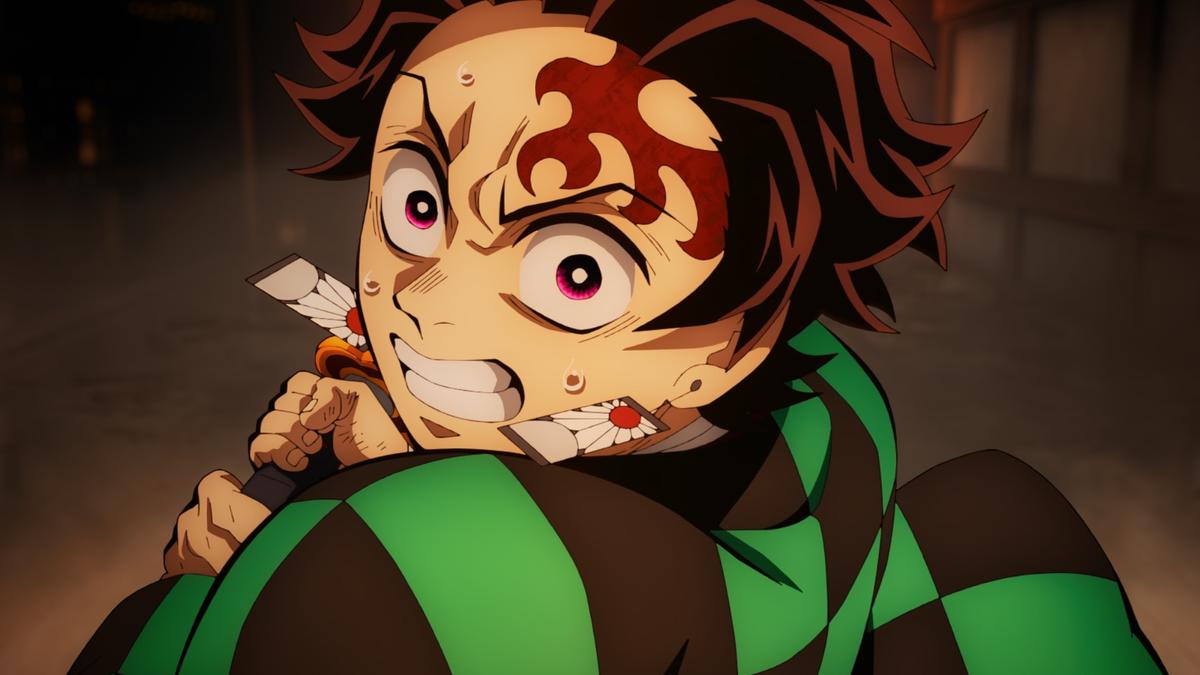
The Artistry Behind Demon Slayer
Anime has recently embraced the big screen with increasing frequency, but few series have achieved mainstream recognition quite like Demon Slayer. Originating from Koyoharu Gotouge’s 2016 manga, its cinematic success soared with the unparalleled fluid animation by veteran studio Ufotable and the global triumph of its predecessor, Mugen Train (2020), which remains the highest-grossing anime film to date. Now, Infinity Castle arrives as the first of three films destined to adapt the manga’s climactic arc.
Clocking in at a substantial 155 minutes, Infinity Castle is unashamedly ambitious. The Demon Slayer Corps plunges into the final antagonist’s fortress—a bewildering, Escher-esque labyrinth that dynamically reconfigures itself mid-battle. The visual grandeur is pure Ufotable: blades carve luminous trails through collapsing structures, and elemental clashes unfold like meticulously choreographed storms. Yet, the franchise’s enduring strength lies in its emotional depth. True to shounen tradition, every confrontation serves as a poignant act of retribution, even allowing us to empathize with the most formidable adversaries.
Fans of Infinity Castle’s unique architecture might find echoes of Tarsem Singh’s 2006 film The Fall. The film’s operatic violence also draws parallels with the groundbreaking proto-anime sensibilities seen in Park Chan-wook’s iconic corridor fight sequence in Oldboy (2003). Within anime itself, lesser-known but equally lyrical series like the Monogatari series and Ufotable’s own Fate series masterfully intertwine memory and combat.
The Phenomenon of Ne Zha 2
Across the East China Sea, another animated masterpiece is making waves globally. Ne Zha 2, the highly anticipated sequel to Jiaozi’s surprise 2019 hit, has quickly become one of the highest-grossing films in history.
The narrative draws from Investiture of the Gods, a classic Ming dynasty text that has enriched Chinese folklore for centuries. In this adaptation, the lotus-born demon child, Ne Zha, finds himself inextricably linked to his dragon rival, Ao Bing, sharing a single body in an extraordinary, supernatural partnership. While the mythology is intricate and rich, the film’s core pulsates with themes of love, unwavering loyalty, and defiance against celestial overlords—figures that subtly hint at historical colonial powers. This captivating blend of sacred grandeur and irreverent humor is precisely what gives the film its unique, manic charm.
Culturally, Ne Zha 2 is a bold statement. For decades, Chinese animation wrestled to establish its unique identity, caught between the polished aesthetic of Disney and the overwhelming influence of Japanese anime. Jiaozi fearlessly blends these inspirations, creating a vibrant, stunning spectacle that confidently carves out a distinct identity for ‘donghua’ (Chinese animation).
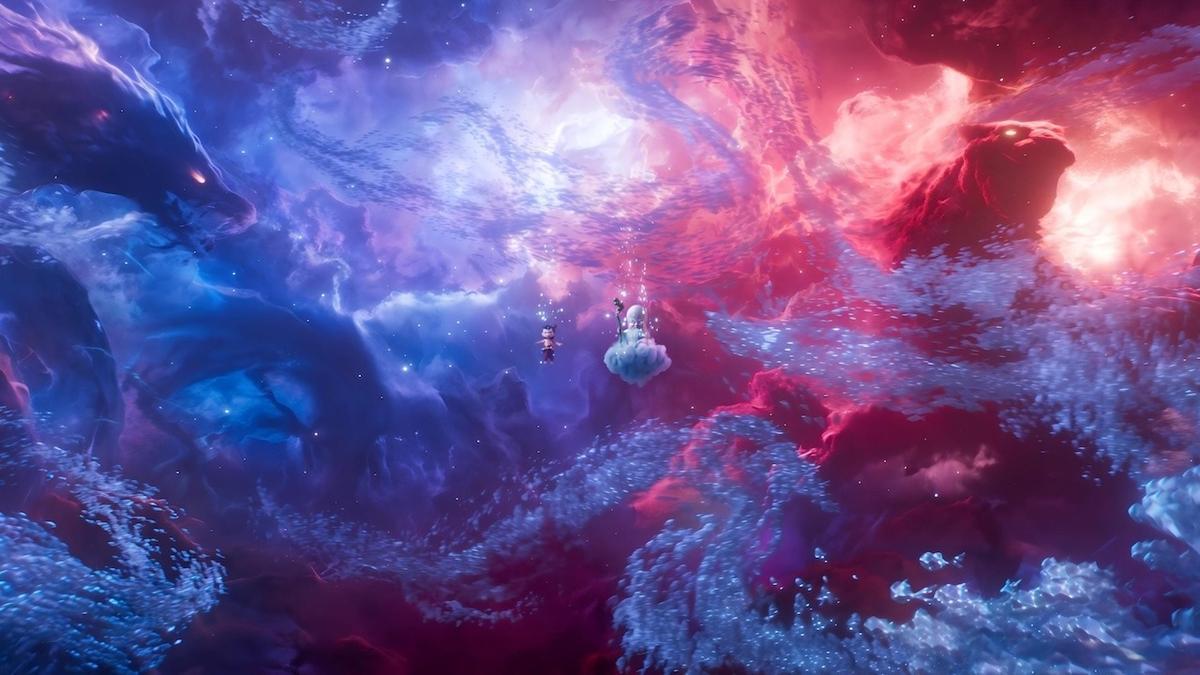
Enthusiasts of renowned Chinese auteur Zhang Yimou’s Hero (2002) and Shadow (2018) will undoubtedly appreciate Ne Zha’s intricate wuxia grandeur, which complements Tsui Hark’s signature psychedelic excess seen in Zu: Warriors from the Magic Mountain (1983). For those curious about earlier interpretations, the 1979 film Ne Zha Conquers the Dragon King provides an excellent historical blueprint.
Together, Infinity Castle and Ne Zha 2 mark a pivotal moment. Despite the complex historical relationship between Japan and China, both nations are successfully exporting their rich myths on a blockbuster scale. They are challenging and uniting against the established global standards of Western animation. While Hollywood might be preoccupied with whether its animated characters should sing, cry, or simply sell merchandise, the East is diligently constructing cinematic cathedrals of myth, making the Western giants appear like mere rodents caught in the headlights. This article is part of the ‘Ctrl+Alt+Cinema’ column, which regularly explores fascinating gems from world cinema and anime.