
For many, a woman confidently sporting trousers isn’t typically the first image that comes to mind when thinking of celebrity style. Yet, when I embraced pants in my early twenties—partly as a statement, partly for practical comfort—I found a limited but powerful lineup of style inspirations. Katharine Hepburn, Audrey Hepburn, and Diane Keaton formed my personal ‘holy trinity’ of fashion heroes.
While the Hepburns each had their distinct trouser personas—Katharine with her broad-legged pants and crisp Oxford shirts, Audrey with her sleek capris and ballet flats—Diane Keaton truly made pants her own, embracing every silhouette imaginable: cropped, wide-legged, boot cut, skinny, straight, and baggy.
I came to appreciate Keaton later, in the mid-2010s, when her iconic Annie Hall (1977) aesthetic unexpectedly resurfaced as a major fashion trend. Though the film itself is a blur of snippets for me, her Annie Hall ensemble—suit vests, masculine shoes, voluminous pleated pants, casually knotted ties, and signature floppy hats—remains remarkably vivid. Fashion historians universally credit this distinctly Keaton look with pushing the boundaries of women’s trousers as boldly as Marlene Dietrich and Katharine Hepburn did in their eras. This achievement is notable, especially considering it was nearly a decade after Yves Saint Laurent popularized the women’s tuxedo and pantsuit, and more than fifty years after pioneers like Coco Chanel and Jean Patou first introduced trousers to liberate women from constricting attire.
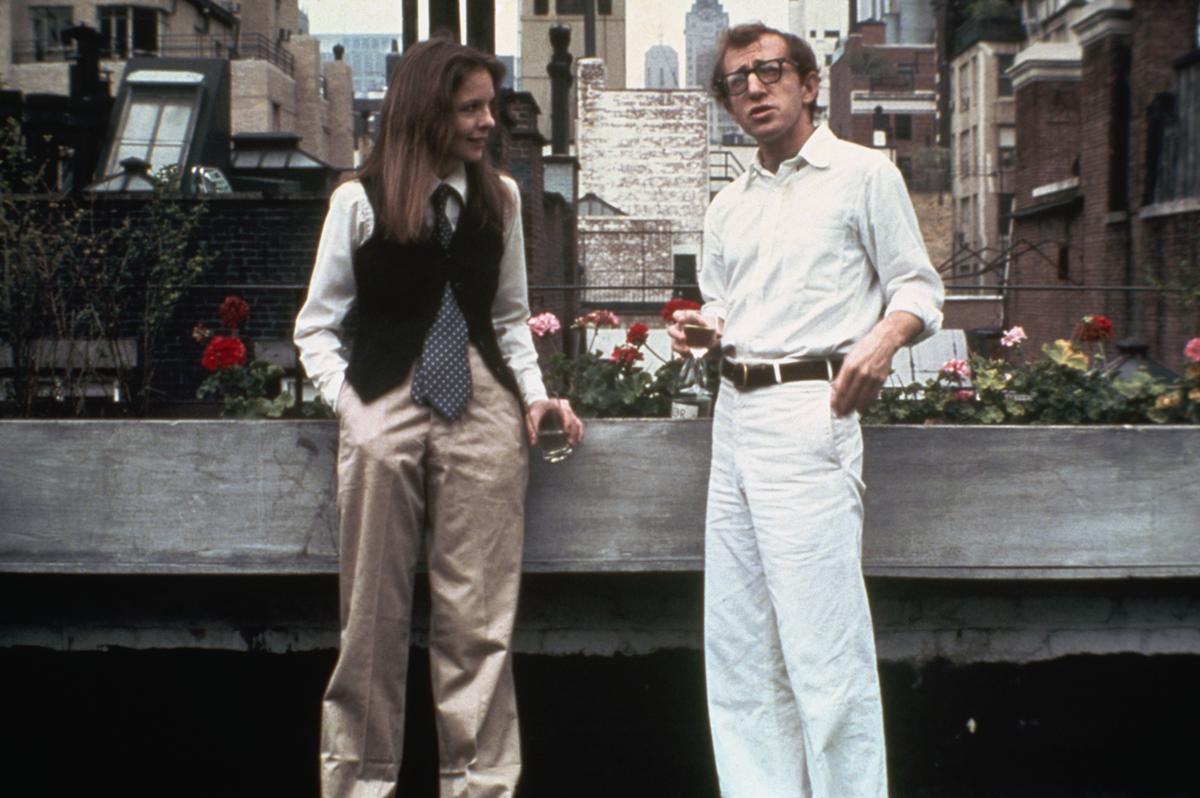
Diane Keaton and Woody Allen in the film ‘Annie Hall’ (1977). (Getty Images)
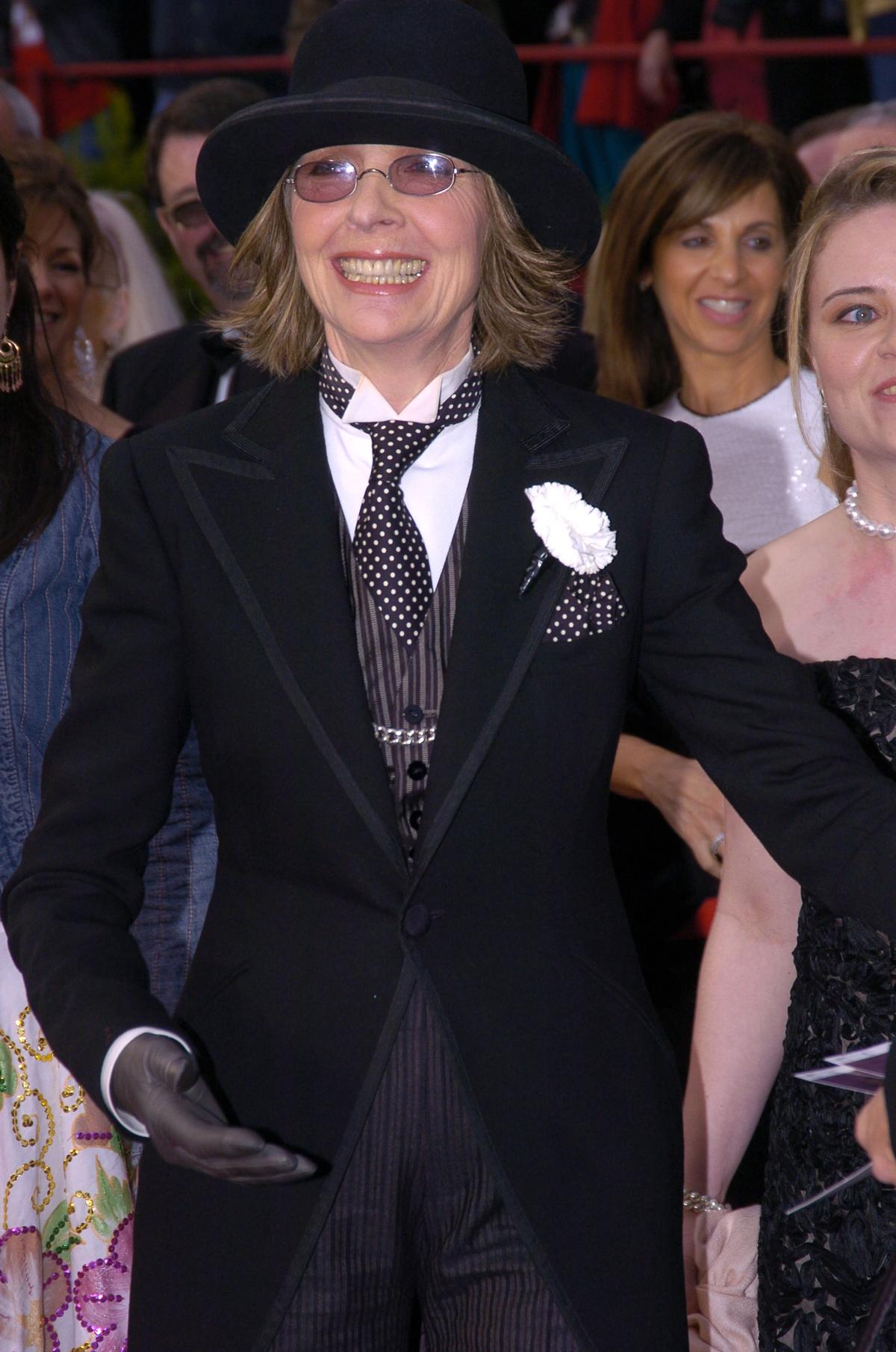
Diane Keaton at the 76th Annual Academy Awards in Los Angeles, the US. (Getty Images)
Throughout history, women embracing tailored menswear has carried significant social and political weight. Trousers were often seen as symbols of male authority, leading to accusations of unfemininity against women who dared to wear them. While the glamour of movie stardom offered some protection, even icons like Katharine Hepburn, Greta Garbo, and Marlene Dietrich faced scrutiny. Trousers were also sometimes coded as lesbian attire, and a full suit could be perceived as both an ‘assault’ on male identity and a potentially contradictory feminist act of conforming to male dominance. (This critique generally doesn’t extend to jeans or track pants, which are more widely accepted as unisex.) It seemed women were ‘damned if they did, damned if they didn’t.’ The common, and still prevalent, solution was to wear them only occasionally, ensuring enough ‘feminine’ appearances to balance out any masculine associations.
However, Keaton made menswear an integral part of her identity, right down to her choice of footwear. She frequently graced red carpets in tuxedos, three-piece suits, and spats. In doing so, she forged a new kind of glamour, a distinctive form of modest fashion. She took every perceived ‘unattractive’ trope associated with women and boldly redefined it. Beyond her artfully layered menswear, oversized jackets, dangling neckties, multiple sweaters and vests, and cowboy boots, she also famously sported glasses and bowler hats, further cementing her unique aesthetic.
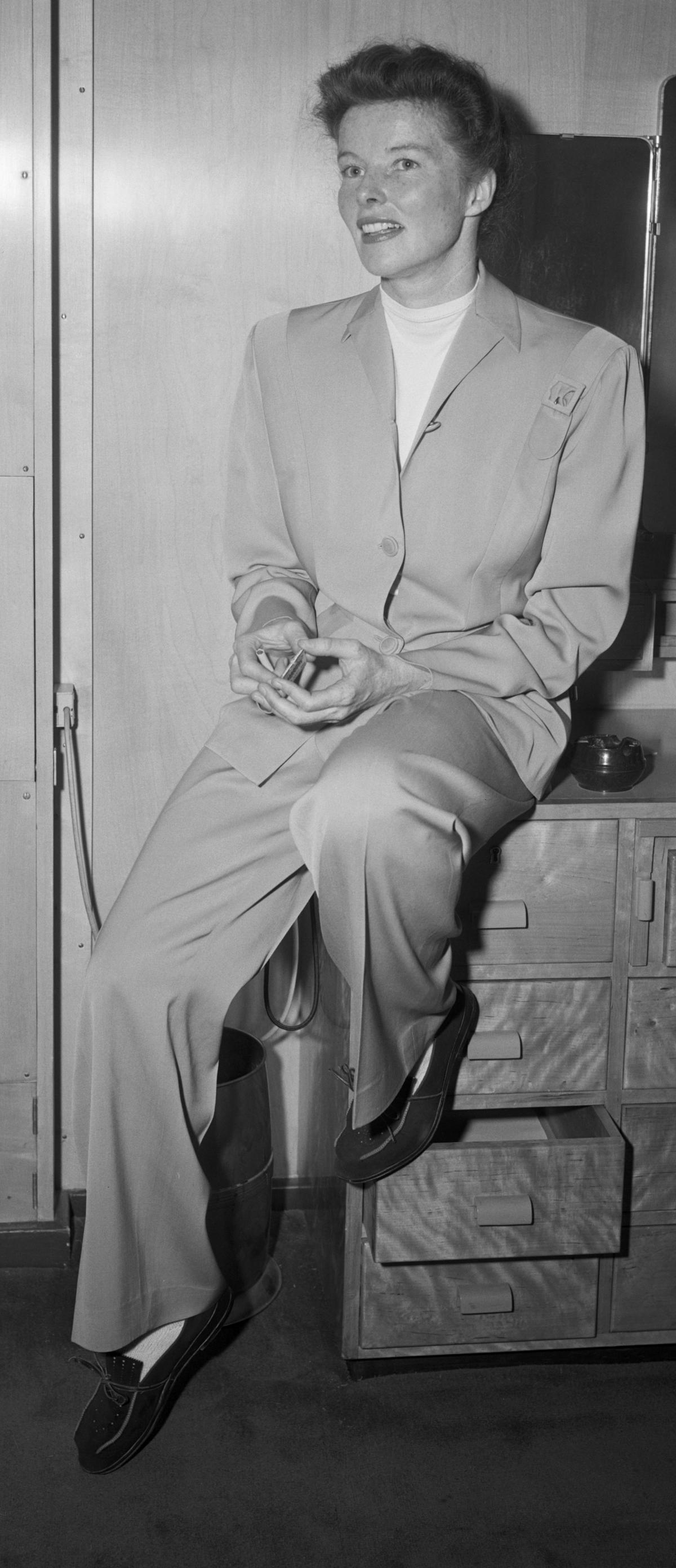
Actor Katharine Hepburn. (Getty Images)
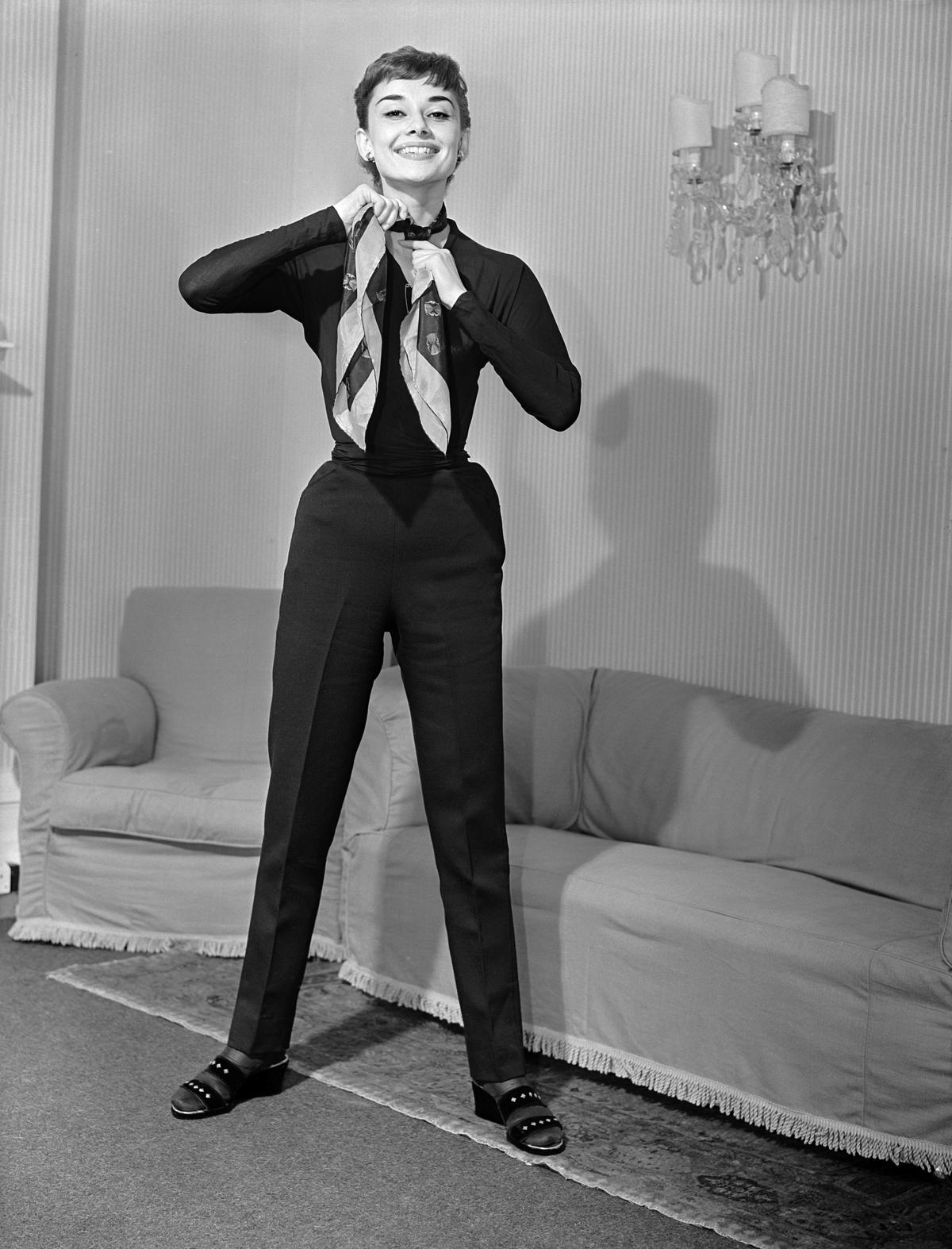
Actor Audrey Hepburn in 1953. (Getty Images)
Her self-created look seamlessly transitioned from androgynous to asexualized to overtly feminine. It’s also worth noting that a history of skin cancer in her family made her sartorial choices not just fashionable but also practical; she herself was diagnosed twice, with basal cell carcinoma at 21 and squamous cell cancer decades later.
While her androgynous Annie Hall style undeniably launched Keaton into fashion fame, it wasn’t a static image she maintained throughout her life. Her outfit at the 1978 Oscars, where she won Best Actress for the film, offers a prime example of her willingness to evolve. She paired a voluminous, mid-calf swing skirt over straight pants, topped with a double-breasted Armani blazer—a daring, layered look that never truly hit the mainstream and would still surprise red-carpet observers today.
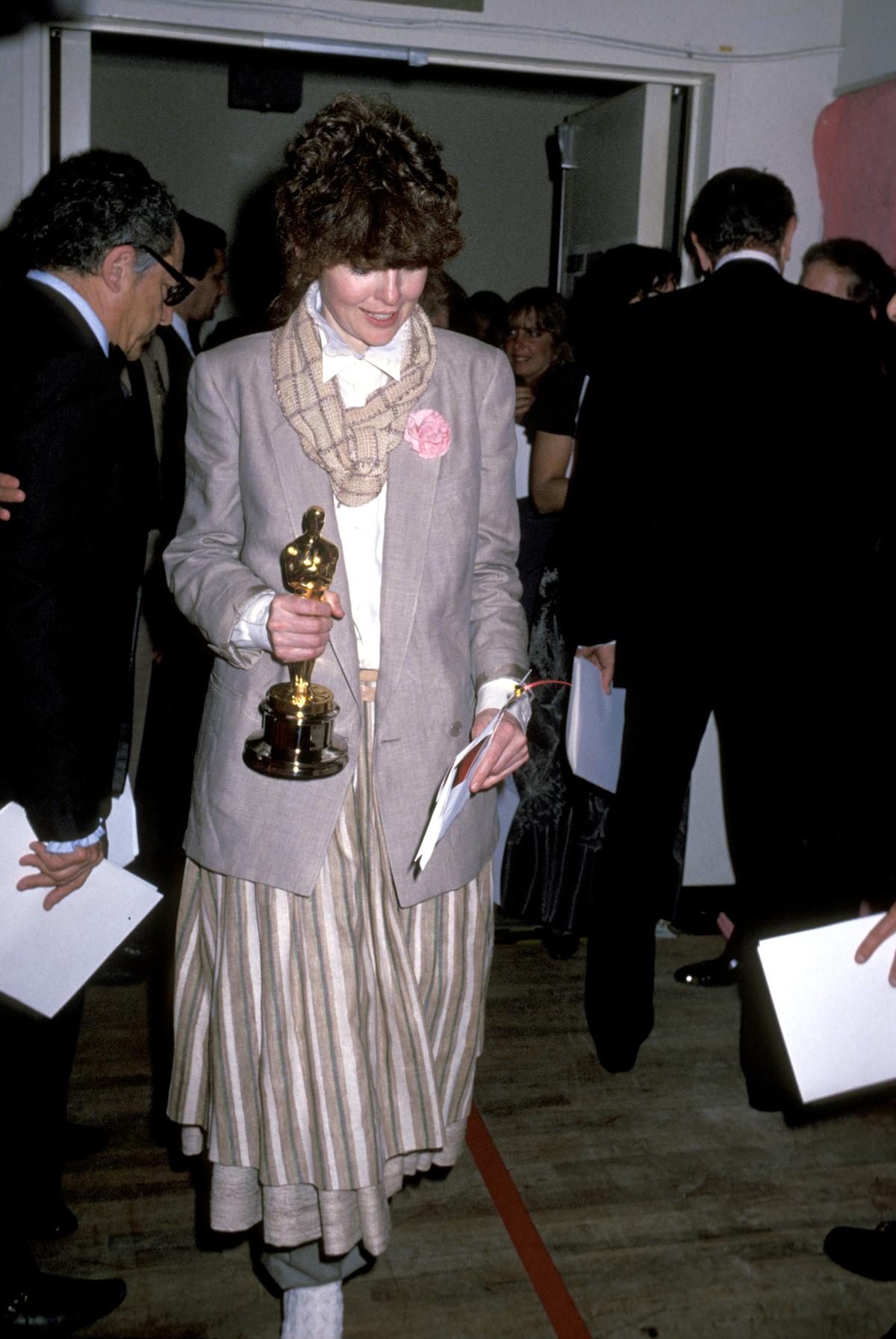
Diane Keaton during 50th Annual Academy Awards in 1978 in Los Angeles, the US. (Getty Images)
In an Instagram video, Keaton expressed her genuine passion for fashion, though she left unsaid her remarkable courage to take risks and explore new styles. Over the years, Keaton proudly embraced her gray hair, famously eschewed cosmetic surgery, and never relied on a stylist. She frequently experimented with volume, particularly in skirts and dresses—which she wore with as much flair as her beloved trousers. Her signature included an affinity for anti-fit silhouettes, often layered with long coats. She masterfully blended plaids and pearls, boots and blazers, cravats and bold belts.
Coco Chanel introduced pants as a means of comfort and freedom; Katharine Hepburn famously donned hers while skateboarding. For Diane Keaton, this freedom perhaps extended to every interest she pursued. Beyond her Hollywood career, she authored three memoirs—Then Again (2011), Let’s Just Say it Wasn’t Pretty (2014), and Brother & Sister: A Memoir (2020)—and published numerous photography books, featuring her own work, others’, and found images. She passionately delved into photography, notably shooting a series of hotel interiors for Rolling Stone magazine, which culminated in her 1980 book, Reservations. The geometric precision of her black and white photographs often mirrored the monochrome, checked, and striped patterns found in her clothing.
Diane Keaton also renovated houses, was instrumental in preserving two Frank Lloyd Wright buildings, and released books on interior design, including California Romantica (2007) and The House that Pinterest Built (2017). In her 50s, she adopted two children, released a music single, and became a beloved Instagram sensation.
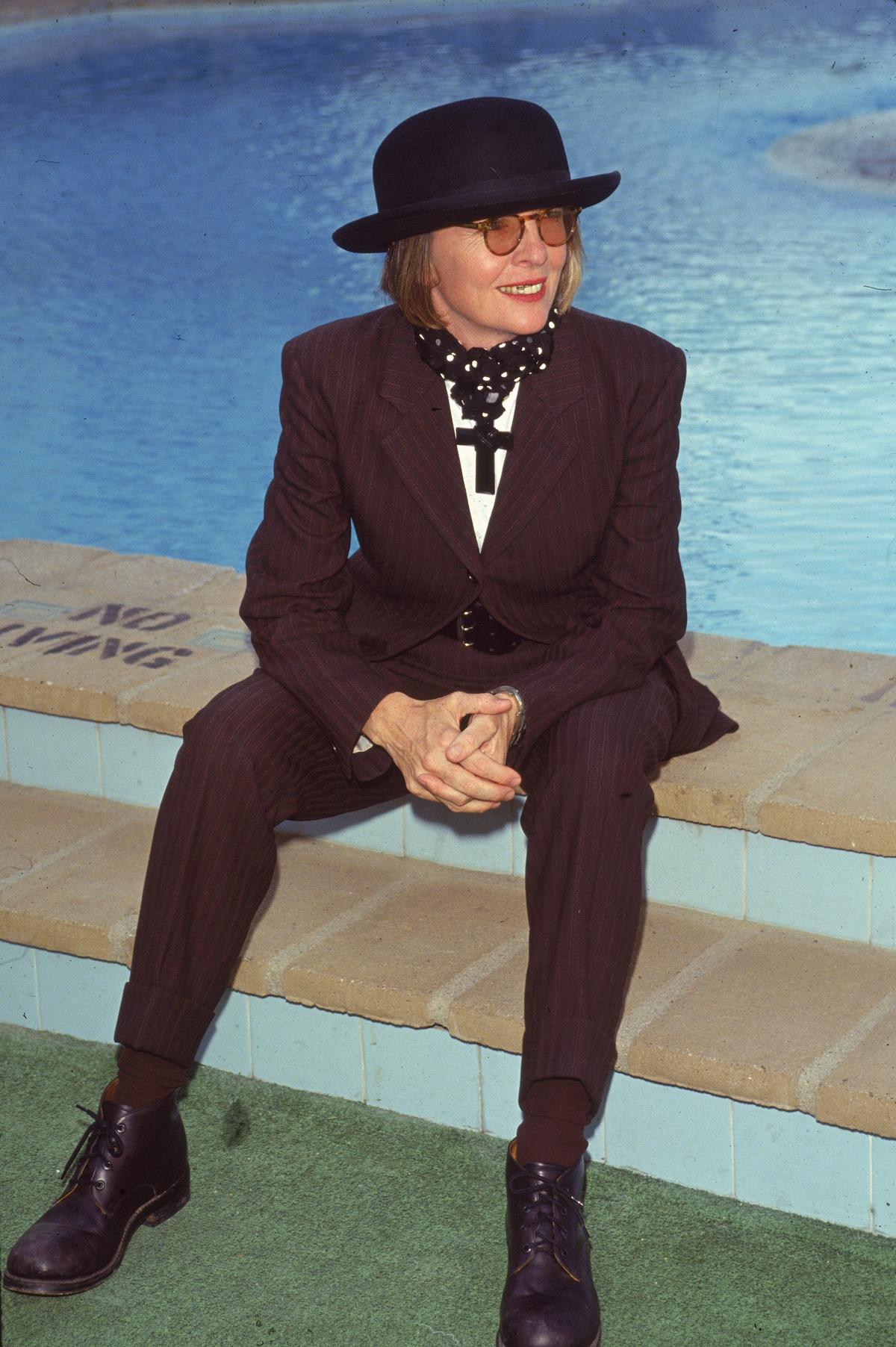
Actor Diane Keaton in 1996. She wears a purple & black striped suit, bowler hat, and, around her neck, wears a large black crucifix. (Getty Images)
For years, I followed Keaton primarily through Pinterest and occasional red-carpet appearances, consistently impressed by her authentic interest in fashion and her unique approach to assembling outfits. You can always tell when someone is genuinely enjoying the process, unafraid of ‘getting it wrong.’ That, perhaps, was Keaton’s greatest gift to me and her multitude of fans: to revel in the joy of dressing up, to experiment fearlessly, and to understand that not every look needs to be a ‘hit.’ She truly wore her clothes; her clothes never wore her.
The writer is a fashion commentator and author.