
The crisp, clear skies and stunning mountain vistas that climbers have long associated with the Himalayan autumn are rapidly becoming a memory. Traditionally a period of stable weather perfect for trekking and mountaineering, the season is now being disrupted by increasingly severe and unpredictable conditions. Meteorologists are observing a significant shift, with monsoon patterns extending well into autumn, bringing with them intense rainfall and sudden blizzards. This change poses a grave threat to the region’s vital tourism industry and, more importantly, to the lives of those who venture into the mountains.
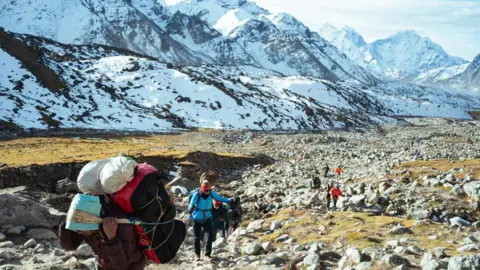
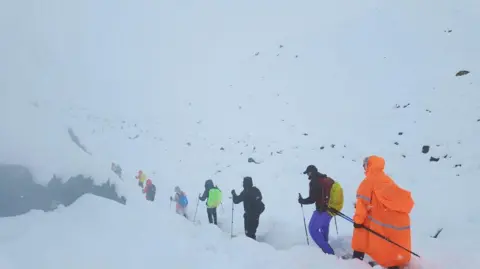
Recent events underscore the alarming new reality. Hundreds of tourists were recently stranded for days by a sudden blizzard on the Tibetan side of Mount Everest, enduring freezing temperatures at high altitudes. While a coordinated rescue effort ensured most were brought to safety, the incident highlights the extreme risks now faced by visitors. On the Nepalese side, a South Korean mountaineer tragically lost their life to hypothermia and altitude sickness on Mera Peak, with communication lines hampered by torrential rains and heavy snowfall that also caused widespread landslides and flash floods across the country, claiming dozens of lives.
Experienced guides, like Riten Jangbu Sherpa, note the stark contrast to previous years. “This is highly unusual for October when we expect the skies to remain clear,” he stated, emphasizing that trekkers are frequently caught off guard by these extreme weather events, which are severely impacting the trekking and mountaineering business.
 Reuters
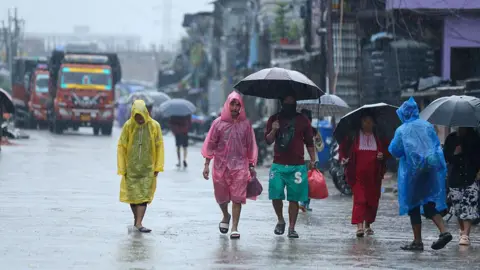
The monsoon’s extended duration is a key factor. Traditionally lasting from June to mid-September, data now indicates monsoons frequently lingering into the second week of October. This shift, according to Archana Shrestha, deputy director general at Nepal’s Department of Hydrology and Meteorology, is characterized by “damaging precipitation in a short span of time.” These intense weather events translate into dangerous blizzards and snowstorms in the high Himalayas.
Scientists attribute these changes partly to a “turbocharged monsoon” effect, where warming air carries more moisture. This amplified monsoon, interacting with westerly disturbances originating from the Mediterranean, is creating more extreme weather phenomena. Traditionally a winter system, these disturbances are now arriving earlier, during the monsoon and autumn periods, intensifying rainfall and snowfall. The warmer, moister air masses are also being pushed higher, allowing these weather systems to cross the Himalayas into regions like Tibet, which historically experienced drier climates.
 Getty Images
The increased moisture content and altered atmospheric dynamics mean that weather patterns are becoming less reliable. “What’s changed is the reliability of patterns; we can’t assume that conditions will behave the same from season to season,” notes Logan Talbott, chief guide with Alpenglow Expeditions. This unpredictability demands greater flexibility, real-time decision-making, and seasoned leadership for anyone operating in the Himalayas.