
During a recent event at Montana State University, Vivek Ramaswamy presented his comprehensive vision for U.S. immigration and the H-1B visa program. He firmly asserted that the interests of American workers must take precedence. Ramaswamy argued that the existing system often inadvertently favors foreign labor, disadvantaging U.S. citizens.
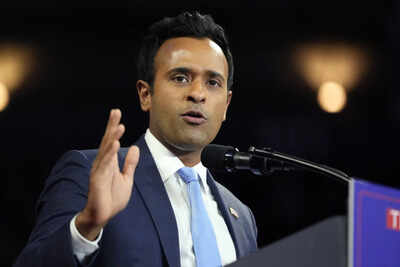
He emphasized that all legal immigration policies should primarily benefit those who already reside and contribute to the country. Ramaswamy further connected immigration reform to broader national economic and social objectives, stating that these changes should aim to safeguard jobs, strengthen local communities, and prepare the U.S. workforce for future challenges.
Prioritizing Americans in Legal Immigration
Ramaswamy reiterated that immigration policies should be designed to benefit U.S. residents, criticizing current regulations for seemingly overlooking the welfare of American workers. He proposed that reforms should enhance the domestic workforce, generate opportunities for citizens, and align with national priorities, rather than merely fulfilling foreign labor quotas.
Addressing the issue of illegal immigration, Ramaswamy highlighted the alarming number of individuals who have entered the country unlawfully. He insisted that securing borders and rigorously enforcing existing laws are crucial first steps, without which, any legal immigration reforms cannot be truly effective.
Advocating for Merit-Based Immigration
Ramaswamy championed a merit-based immigration system, where immigrants would be selected based on their skills, educational background, and potential economic contributions. He believes this approach would reward talent and dedication, ensuring that immigration strengthens the nation rather than displacing domestic workers. According to Ramaswamy, simply meeting minimal entry criteria is insufficient.
Such a merit-based framework would also incentivize immigrants towards success. It creates fair legal pathways and guarantees that the workforce acquires individuals who can genuinely fill critical gaps and make meaningful contributions to society.
Endorsing Higher H-1B Fees
Ramaswamy expressed support for recent proposals to increase H-1B visa fees to $100,000. He asserted that these higher fees would hold employers more accountable, compelling them to carefully consider their need for foreign workers and thus preventing potential misuse of the system.
He described the proposed policy as “reasonable,” suggesting it would make companies “put their money where their mouth is.” Only employers with a genuine need for specialized foreign talent would be willing to pay such substantial fees, deterring firms from using visas primarily to reduce costs or circumvent hiring American professionals.
Ramaswamy stressed that any immigration reform must align with the nation’s workforce priorities. Legal immigration should supplement the labor market by filling specific needs, not by replacing American workers. The combination of increased H-1B fees and stringent selection criteria, he argued, would ensure foreign talent is brought in only when absolutely necessary, thereby protecting domestic jobs while balancing the requirements of businesses and U.S. citizens.
Selecting Immigrants Who Share American Values
Beyond economic contributions, Ramaswamy stated that immigrants should demonstrate a strong work ethic, adhere to U.S. laws, and embrace American ideals. He believes legal immigration should prioritize individuals who exhibit effort and respect for the country’s principles.
This approach, Ramaswamy explained, would ensure that immigrants contribute not just economically, but also by strengthening communities and upholding shared values, thereby supporting both societal cohesion and workforce requirements.
The Core Message
Ramaswamy’s central message is clear: legal immigration, including the H-1B program, must prioritize Americans. A merit-based selection process is crucial, and the issue of illegal immigration demands urgent attention.
He advocates for immigrants who are hardworking, law-abiding, and who embrace American values, alongside holding employers accountable in the hiring process. Ramaswamy also emphasized the importance of civic education to ensure citizens are well-informed and actively engaged in these discussions.
Ultimately, he frames immigration reform as a dual economic and social imperative. Policies, he concluded, should be crafted to fortify the workforce, reinforce societal values, and diligently protect the interests of all Americans.