
Imagine a vacation so mysterious, you feel drawn to your destination by an eerie, tingling sensation rather than a map. That’s the kind of chilling intrigue that surrounds Bran Castle in Romania, a place steeped in legend and history.
The Castle of Legends
For many, Bran Castle is synonymous with Bram Stoker’s iconic vampire, Count Dracula. If you’ve ever read the famous gothic horror novel, you might envision a fortress with winding staircases, octagonal rooms, and roaring fireplaces. Yet, upon seeing Bran Castle, you’d quickly realize it doesn’t quite match Stoker’s detailed descriptions, apart from its dramatic perch on a rocky cliff. So, why is this Romanian landmark universally known as “Dracula’s Castle,” even though there’s no evidence Stoker ever visited?
The answer lies partly in a clever marketing strategy that capitalized on the castle’s naturally spooky, gothic atmosphere to attract tourists. But there’s also a historical whisper: some historians suggest a link between Bran Castle and Vlad the Impaler (Vlad III, Prince of Wallachia), the real-life figure believed to be a major inspiration for Count Dracula. It’s thought that Vlad might have either resided within its formidable walls or was imprisoned in its dungeons for a time. Regardless of its exact ties to Stoker’s fiction, Bran Castle’s striking architecture, commanding location, and inherent eerie charm perfectly embody the ideal dwelling for a vampire, drawing in countless visitors eager to experience its dark allure.
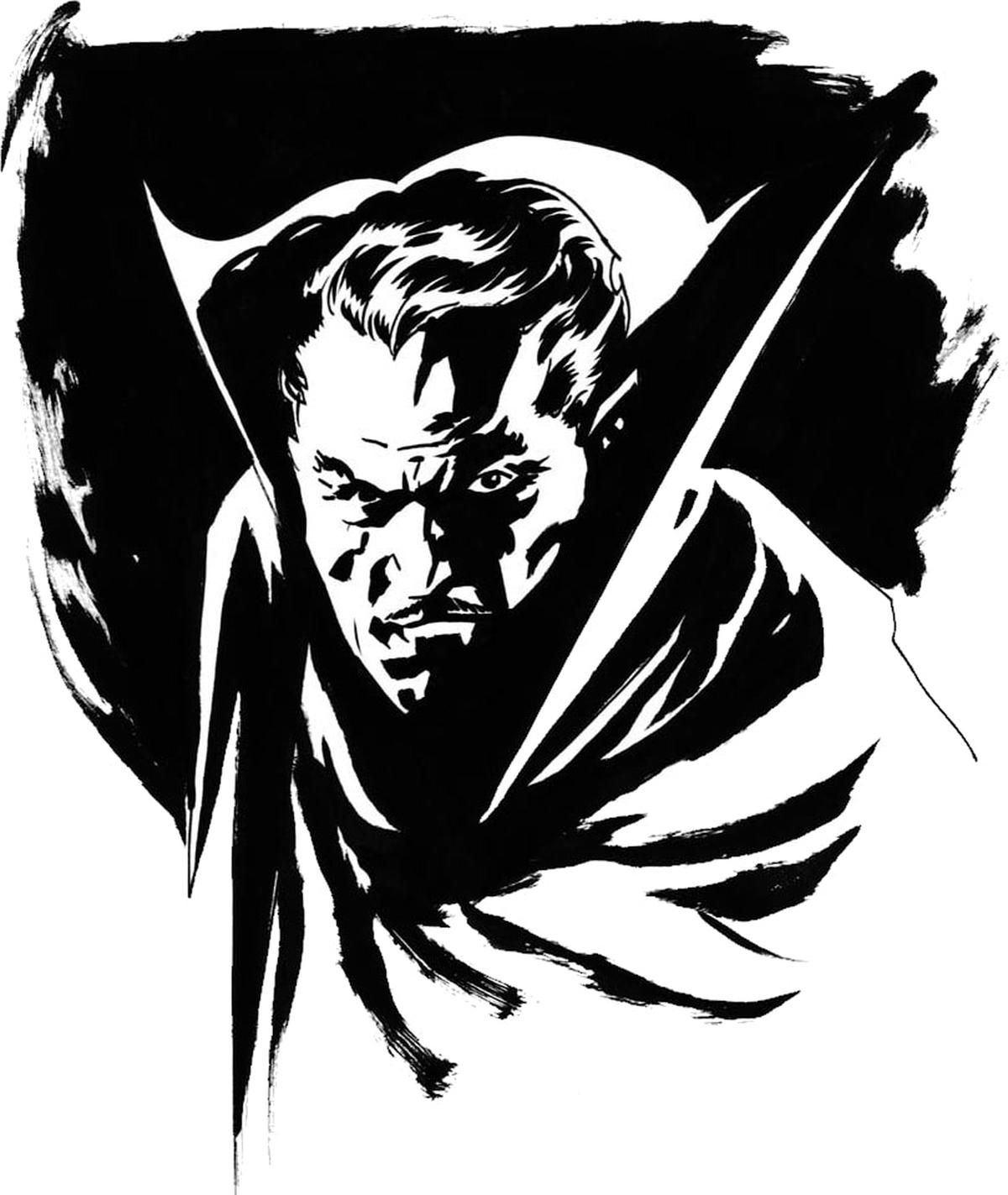
Dracula. PHOTO: WIKIMEDIA COMMONS
Beyond the Myth: Royal Residents
While Count Dracula might be a fascinating fictional resident, the real history of Bran Castle is just as compelling. To uncover its true inhabitants, we journey back to the late 14th century. In 1377, Louis I of Hungary granted the Saxons—German settlers who arrived in Transylvania in the 12th century—the right and responsibility to construct a defensive fortress, initially known as Dietrichstein. Completed in 1388, the castle served as a crucial stronghold against the Ottoman Empire and German colonists in the region.
Centuries later, this military stronghold transformed into a beloved royal residence. In 1920, following the Treaty of Trianon, Bran Castle was gifted to Queen Marie of Romania, the last queen of the country, by the grateful locals. She adored the castle, swiftly embarking on renovations to convert the austere fortress into a beautiful summer retreat, where she spent many cherished years. So deep was her affection that she requested her heart be interred there after her passing. The castle was then inherited by her daughter, Princess Ileana, who famously repurposed it as a hospital during World War II, providing vital care amid conflict.
However, the castle’s fate took another turn in 1948 when the communist regime seized it, forcing Princess Ileana and her family into exile. It wasn’t until 2005, after a new Romanian law, that ownership was finally restored to Ileana’s son, Archduke Dominic of Austria.
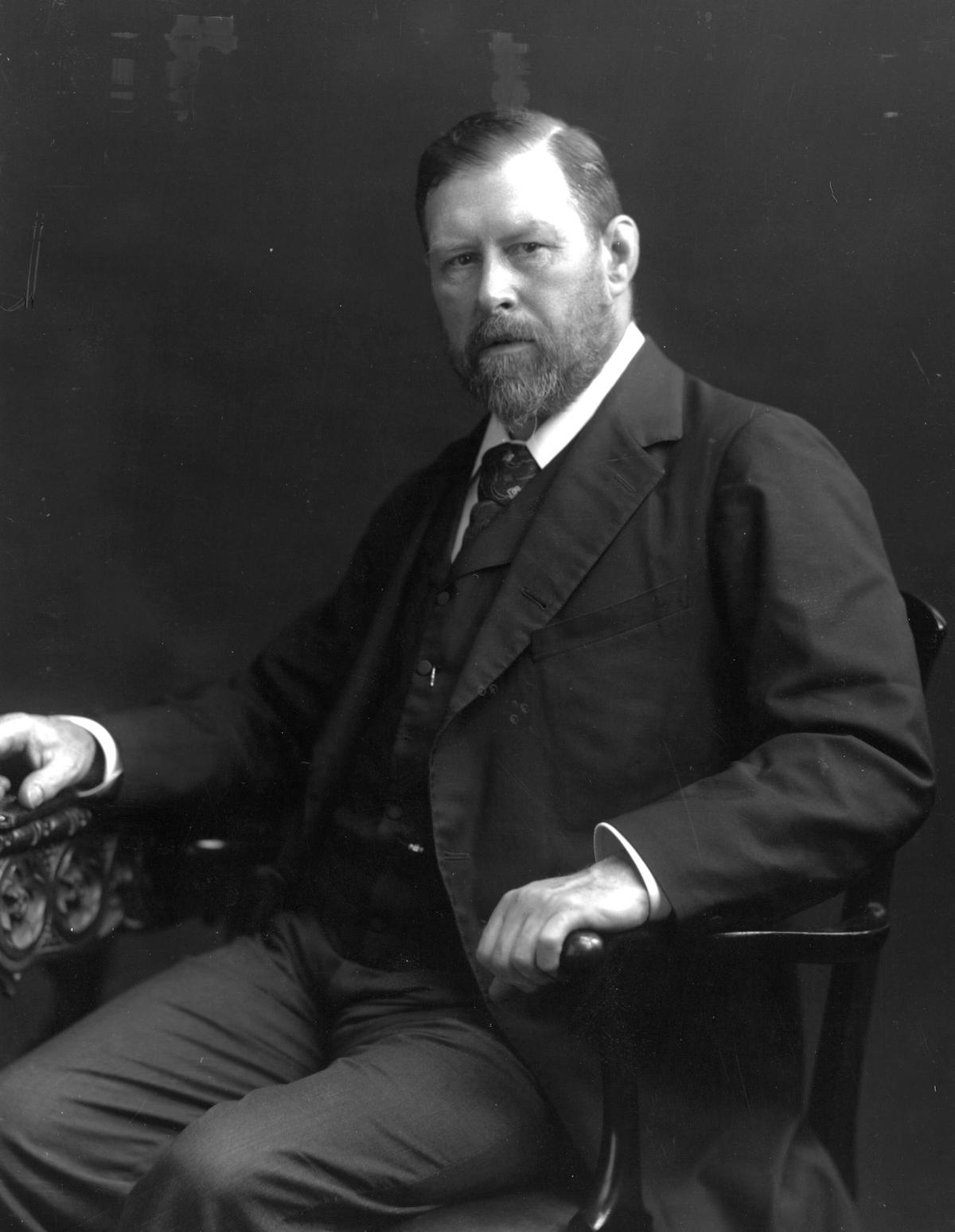
Bram Stoker. PHOTO: WIKIMEDIA COMMONS
Whispers and Hidden Paths
Just like the labyrinthine descriptions of Dracula’s fictional abode, Bran Castle holds its own real-life mysteries, including a fascinating secret passage! This hidden route connects the first floor directly to the third, concealed behind what appears to be an ordinary fireplace. The secret was famously rediscovered during renovations ordered by Queen Marie for the castle’s 57 chambers; when workers tried to move the fireplace, a hidden door surprisingly revealed itself!
Beyond this tangible secret, numerous stories and legends shroud the castle in an aura of supernatural intrigue. One popular tale suggests the castle was once adorned with countless mirrors, strategically placed to trap the souls of any lurking vampires. Another captivating legend claims that faint piano music can sometimes be heard echoing through the halls, a ghostly serenade from the lingering spirit of Queen Marie herself.
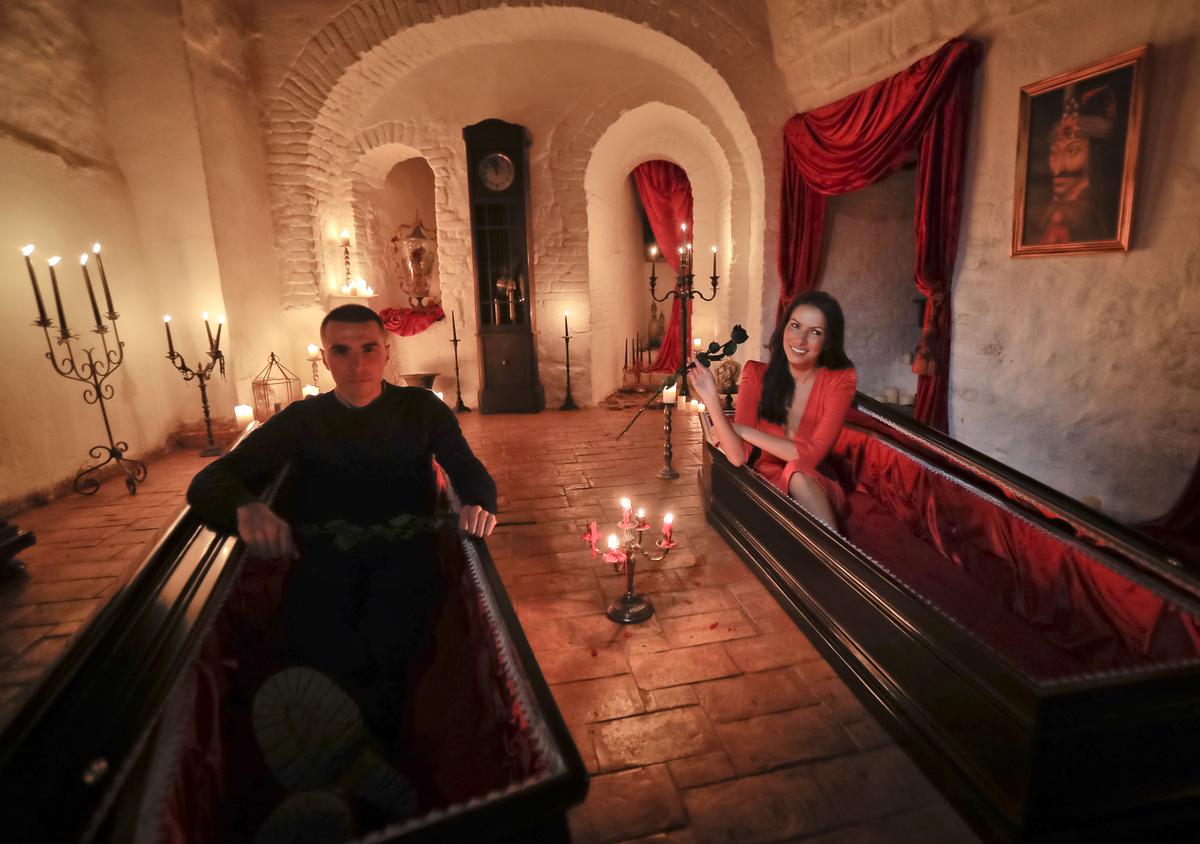
Tami Varma and her brother Robin, the grandchildren of Devendra Varma, a scholar of English gothic tales and an expert in vampire lore, pose in coffins at Bran Castle, in Bran, Romania, Monday, Oct. 31, 2016. PHOTO: Vadim Ghirda / AP
Experience the Magic: Bran Castle Today
Today, Bran Castle stands as a bustling hub for tourists and literature enthusiasts from around the globe, eager to explore the magnificent architecture that transitioned from a stark fortress to a grand royal spectacle. It now operates as a captivating museum, proudly displaying artifacts and exquisite furniture once owned by Queen Marie. Visitors can embark on self-guided explorations or enjoy informative tours led by knowledgeable guides, immersing themselves in the rich tapestry of history and legend that makes Bran Castle truly unforgettable.
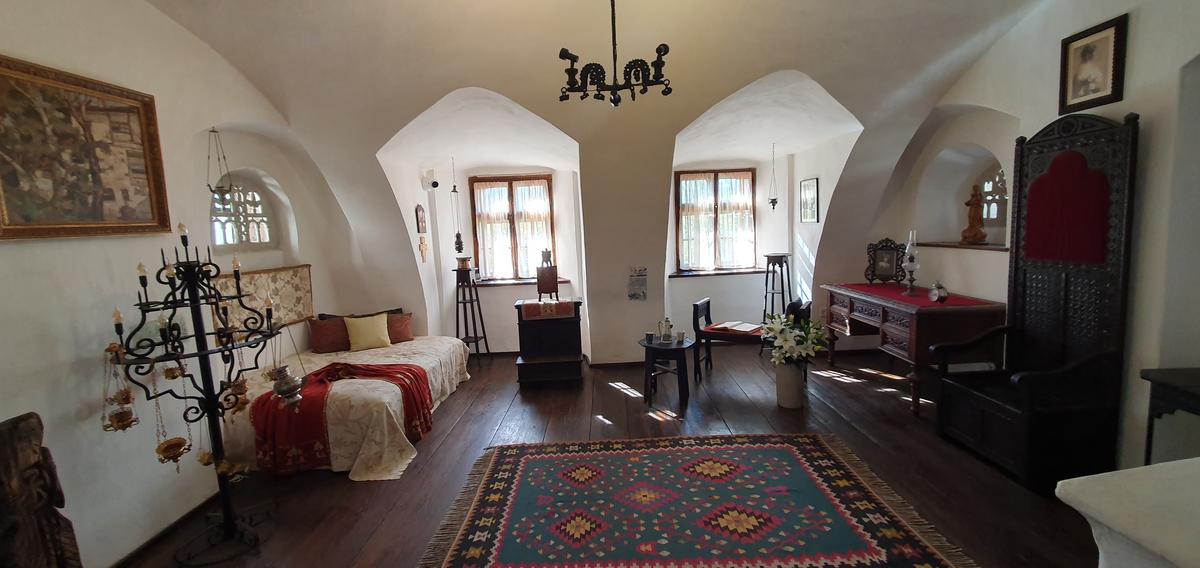
Bran Castle interior. PHOTO: WIKIMEDIA COMMONS
Did You Know?
Long before Bram Stoker penned Dracula, Romanian folklore was rich with tales of Strigoi. These were believed to be restless, invisible spirits that emerged from their graves at night, sustained by the blood of their victims. Many historians believe these ancient legends heavily inspired Stoker’s iconic vampire creation!