
PARIS: A recent comprehensive report has revealed the profound and far-reaching health consequences of planet-heating fossil fuels. The report emphasizes that their entire lifecycle—from extraction to transportation and combustion—negatively affects human health, starting even before birth and continuing throughout life.
Pollution stemming from fossil fuels like oil, coal, and gas has been definitively linked to a wide array of serious health issues. These include pregnancy complications such as miscarriages and premature births, childhood ailments like asthma and various cancers (including leukemia), and severe conditions in later life such as strokes, heart disease, and certain forms of dementia, often leading to early death.
Shweta Narayan, the author of this critical new report from the Global Climate and Health Alliance, stated, “Fossil fuels are a direct assault on health, harming us at every stage of their lifecycle and every stage of our lives, from the womb to old age.”
The Global Climate and Health Alliance, a coalition of over 200 organizations representing 46 million health workers globally, presented this as the first exhaustive worldwide analysis of fossil fuels’ lifelong impact on health.
Research cited in the report indicates that living near coal mines or fracking operations increases the risks of premature births, miscarriages, and other pregnancy-related complications. Furthermore, air pollution from fossil fuels contributes to higher rates of asthma and cancers like leukemia in children.
For older adults, consistent exposure to air pollution significantly elevates the risk of heart disease, stroke, specific types of dementia, and ultimately, premature mortality.
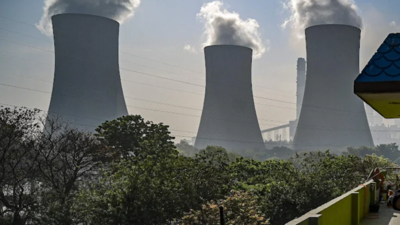
Poorest Communities Hit Hardest
Beyond the direct health hazards of extraction and burning, the transportation of fossil fuels also poses substantial threats. Examples include gas pipelines leaking into vital water systems and devastating mass oil spills. The report also highlights that even after combustion, toxic chemicals like lead, mercury, and persistent “forever chemicals” (PFAS) linger, contaminating soil, water, and the food chain.
The health impacts are exacerbated by extreme weather events, which are becoming more intense and frequent due to fossil fuel-driven global warming. Hurricanes can cripple health facilities, while smoke from wildfires can trigger severe respiratory problems.
Tragically, this immense burden on health disproportionately affects already disadvantaged and marginalized communities in poorer nations. Neha Mahant, a local health worker, shared her observations from Korba, a central Indian district, in the report: “Children and the elderly living near coal mines in the central Indian district of Korba struggle with asthma, bronchitis, and TB; families face birth defects, skin infections, and stomach illnesses from contaminated water.” She concluded starkly, “Coal doesn’t just generate electricity — it generates suffering.”
A Call to Action: Ban Fossil Fuel Lobbying
Christiana Figueres, former UN climate head, linked to the report, asserting that “The age of fossil fuels has poisoned our air, broken health, and fractured dignity.” She urged a rapid transition towards renewable energy sources.
Jeni Miller, executive director of the Global Climate and Health Alliance, called on governments to commit to halting all new oil, gas, and coal projects at the upcoming COP30 UN climate conference in Brazil this November. Miller stressed, “Just as governments once curbed tobacco industry influence, they must now ban fossil fuel lobbying and disinformation.”
The alliance further pressed governments to cease subsidizing fossil fuels. In 2022 alone, these subsidies amounted to a staggering $7 trillion, representing over seven percent of global GDP, according to the International Monetary Fund.
Despite repeated and urgent warnings about the catastrophic consequences of human-induced climate change, the world regrettably set a new record last year for carbon dioxide emissions from fossil fuels.