
A bento box is a traditional Japanese-style lunch that thoughtfully combines various food items like rice or noodles, protein (such as egg or meat), vegetables, and other delicious side dishes. What makes it special is how each component is carefully separated, ensuring no flavors mingle. These balanced meals are designed to provide the perfect mix of carbohydrates, protein, and vitamins, helping people enjoy controlled portions and practice mindful eating.
The Kamakura Period: Bento’s Humble Beginnings
The story of bento boxes begins in Japan’s Kamakura period, around the 12th century. During this time, dried rice, known as hoshi-ii, became a popular and portable meal for those working away from home. Carried in simple bags, this dried rice could be eaten as is or rehydrated with water. By the 16th century, the humble cloth bag evolved into more structured wooden boxes. These early bentos were often enjoyed during leisurely activities like tea parties or the cherished hanami (cherry blossom viewing) festivals.
The Edo Period: A Culinary Art Form Flourishes
The Edo period marked a significant evolution for bento culture, transforming it into a more sophisticated and widely embraced tradition. Travelers and sightseers would carry a koshibentō, essentially a “waist bento” that was not unlike a modern-day fanny pack. These contained satisfying Japanese rice balls, or onigiri, often filled with flavorful ingredients like umeboshi (pickled plum), salmon, katsuobushi (smoked bonito fish), or kombu (edible kelp), all neatly wrapped in nori (seaweed). This era also saw the rise of makunouchi bento, meaning “between-act bento,” which were sold to eager theater-goers during intermissions of traditional Noh and Kabuki plays. The growing popularity even led to the publication of the first bento cookbooks.
The Meiji Era: Bento Goes to School and Beyond
During the Meiji era, a new bento sensation emerged: the ekibento, or “train station bento.” This practical innovation is thought to have originated at Utsunomiya Station in the Kantō region, offering travelers a simple yet satisfying meal of two onigiri and pickled radish, all wrapped in bamboo leaves. With schools not yet providing meals, bento boxes became a daily staple for both students and teachers, ensuring everyone had a wholesome lunch.
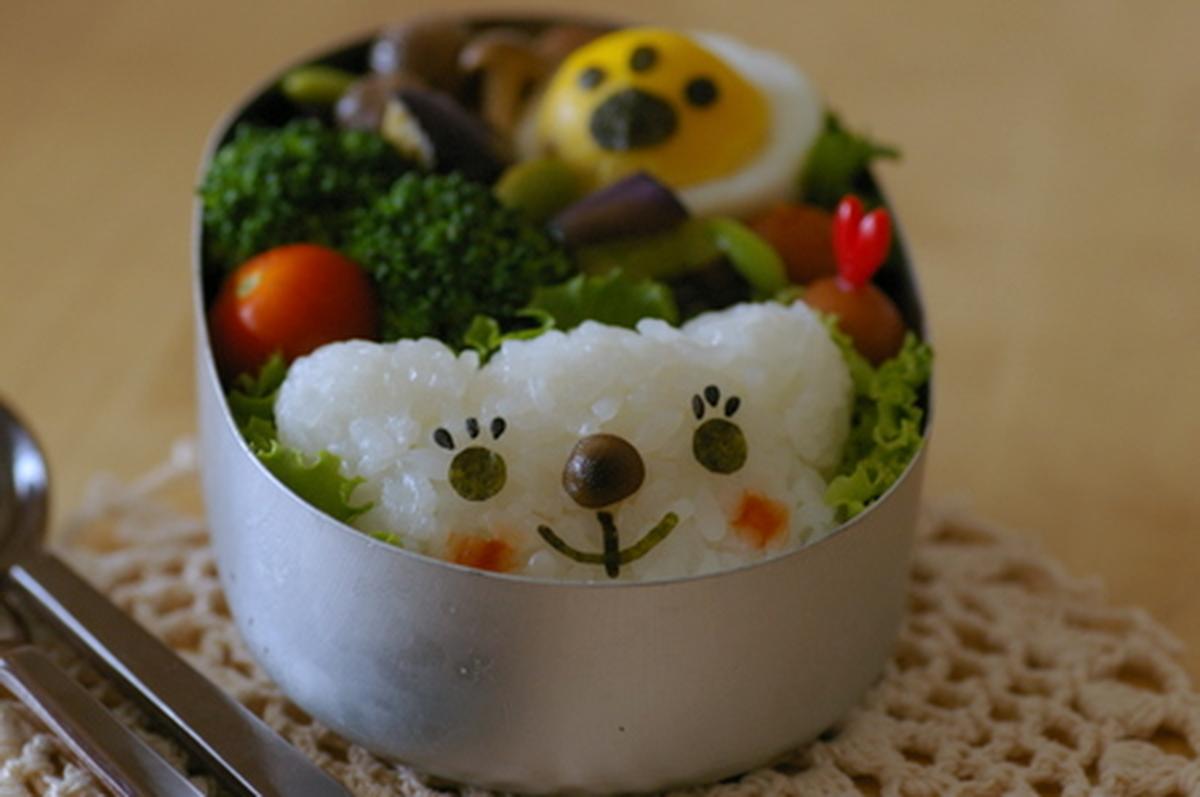
Kyaraben Polar Bear Bento Box | Photo Credit: PICASA 2.7
The Taishō Era and a Period of Decline
The Taishō era introduced the aluminum bento box, quickly perceived as a symbol of luxury thanks to its metallic gleam and easy-to-clean properties. However, this perceived blessing was accompanied by unforeseen challenges. Economic disparities deepened after an export boom during World War I, followed by widespread crop failures, particularly in regions like Tōhoku. By the end of World War II, the popularity of bento meals waned significantly as schools began providing uniform meals for both students and teachers.
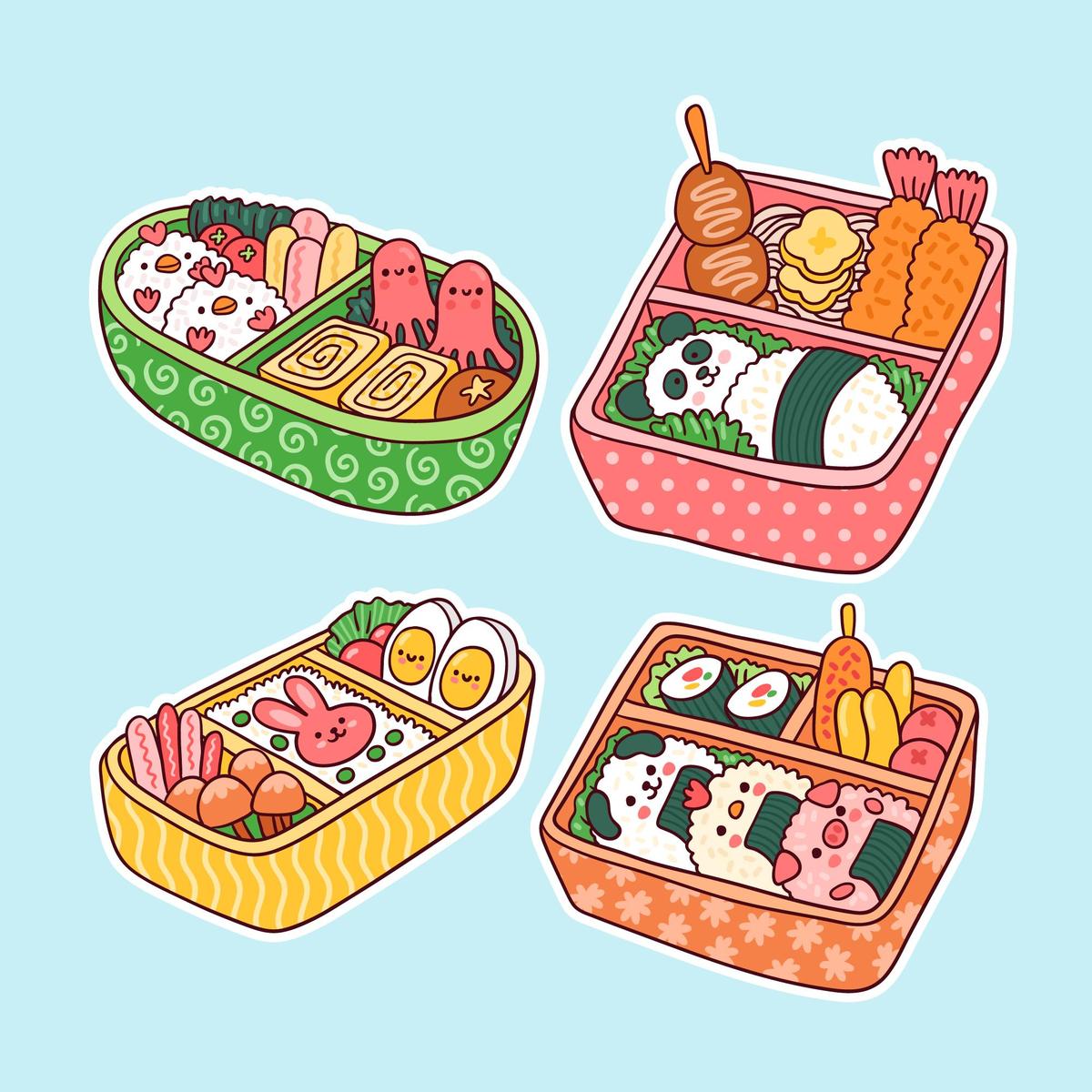
Bento boxes Kyaraben | Photo Credit: Freepik
The Grand Revival of Bento
Bento made a triumphant return to popularity in the 1980s, reinventing itself as a convenient frozen meal available in stores. Polystyrene boxes replaced their traditional wooden and metal predecessors. Yet, the charm of handmade bento never truly faded, and today, lovingly prepared bento boxes are still a common sight for children and office workers, often packed by mothers or wives. They’re also perfect for road trips!
Crafting a homemade bento is an art that requires dedication, with many Japanese homemakers preparing ingredients the night before to save time. While quintessentially Japanese, the concept of thoughtfully packed meals has also flourished across other Asian nations, including China, Singapore, India, and Korea, each adapting the tradition to their unique culinary heritage.
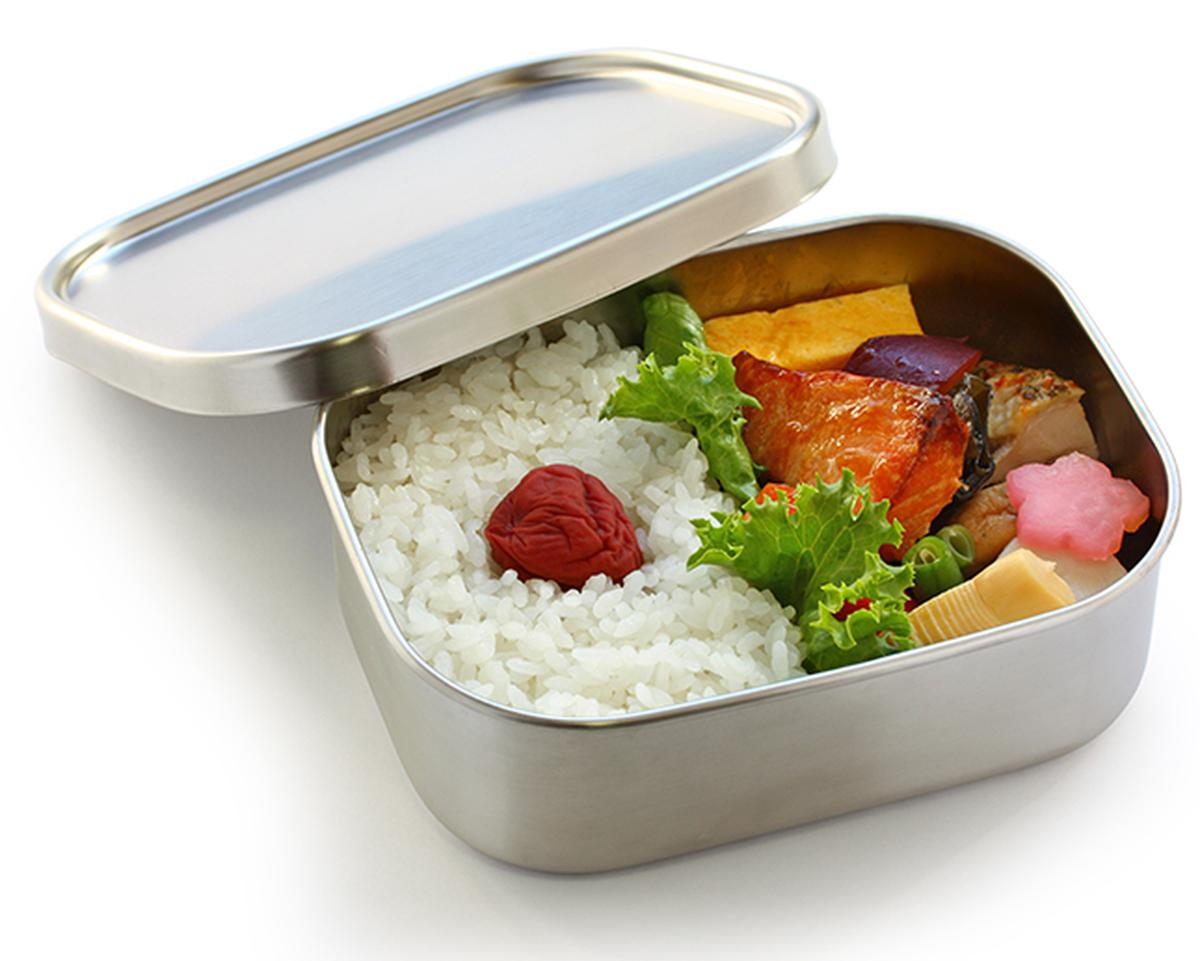
japanese boxed lunch | Photo Credit: bonchan
Boxed Meals in China: Héfàn and Biàndāng
In China, the equivalent of bento meals are known as héfàn or biàndāng, with diverse regional variations. Hong Kong, for instance, is famous for its “two meals with rice.” These carefully arranged meals are traditionally served in boxes called shíhé, which can range from elegantly simple to elaborately multi-tiered.
japanese boxed lunch | Photo Credit: bonchan
Taiwan’s Piān-tong: A Colonial Legacy
Taiwan adopted the bento meal during the Japanese colonial period in the first half of the 20th century, where it became known as piān-tong. Contemporary Taiwanese bento boxes typically feature a substantial protein, such as a crispy fried chicken leg, flavorful grilled mackerel, or a succulent marinated pork chop. The Taiwan Railway Administration famously continues this tradition by offering “Taiwan Railway Bento” to passengers on trains and at major stations.
Korea’s Dosirak: Kimchi Included!
In Korea, packed lunches are known as dosirak. While sharing similarities with Japanese and Chinese styles, dosirak often features lighter portions of meat and vegetables, and almost always includes the nation’s beloved staple: kimchi.
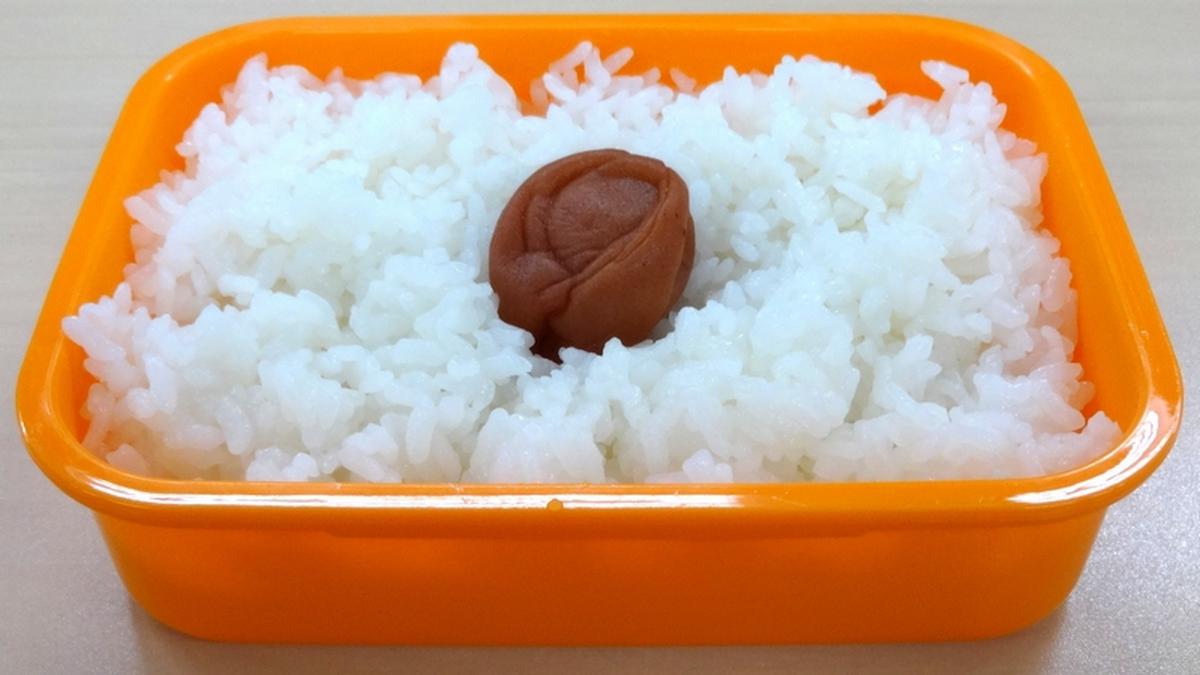
Handmade bento box | Photo Credit: WIKIMEDIA COMMONS
Think About It!
Take a closer look at the Hinomaru bento box shown above. With just plain rice and a single umeboshi (Japanese pickled plum), does it spark any other associations with Japan for you? Share your thoughts in the comments!
India’s Tiffin Culture: A Legacy of Homemade Meals
India boasts its own cherished tradition of packed meals known as tiffin, a staple for both schoolchildren and professionals. The incredible diversity of Indian cultures and culinary tastes ensures a vibrant array of tiffin meals, each reflecting unique household flavors.
Perhaps the most famous example is Mumbai’s legendary dabbawala service, which has been meticulously delivering and collecting homemade lunchboxes by bicycle and train since 1890. This remarkable system began in the late 1800s to cater to migrant workers in Bombay who craved home-cooked food during their long workdays. Recognizing this need, Mahadeo Havaji Bachche launched the service in 1890 with a team of a hundred men. It quickly grew into a massive success, eventually becoming commercialized in 1968 as the Mumbai Tiffin Box Suppliers Association.
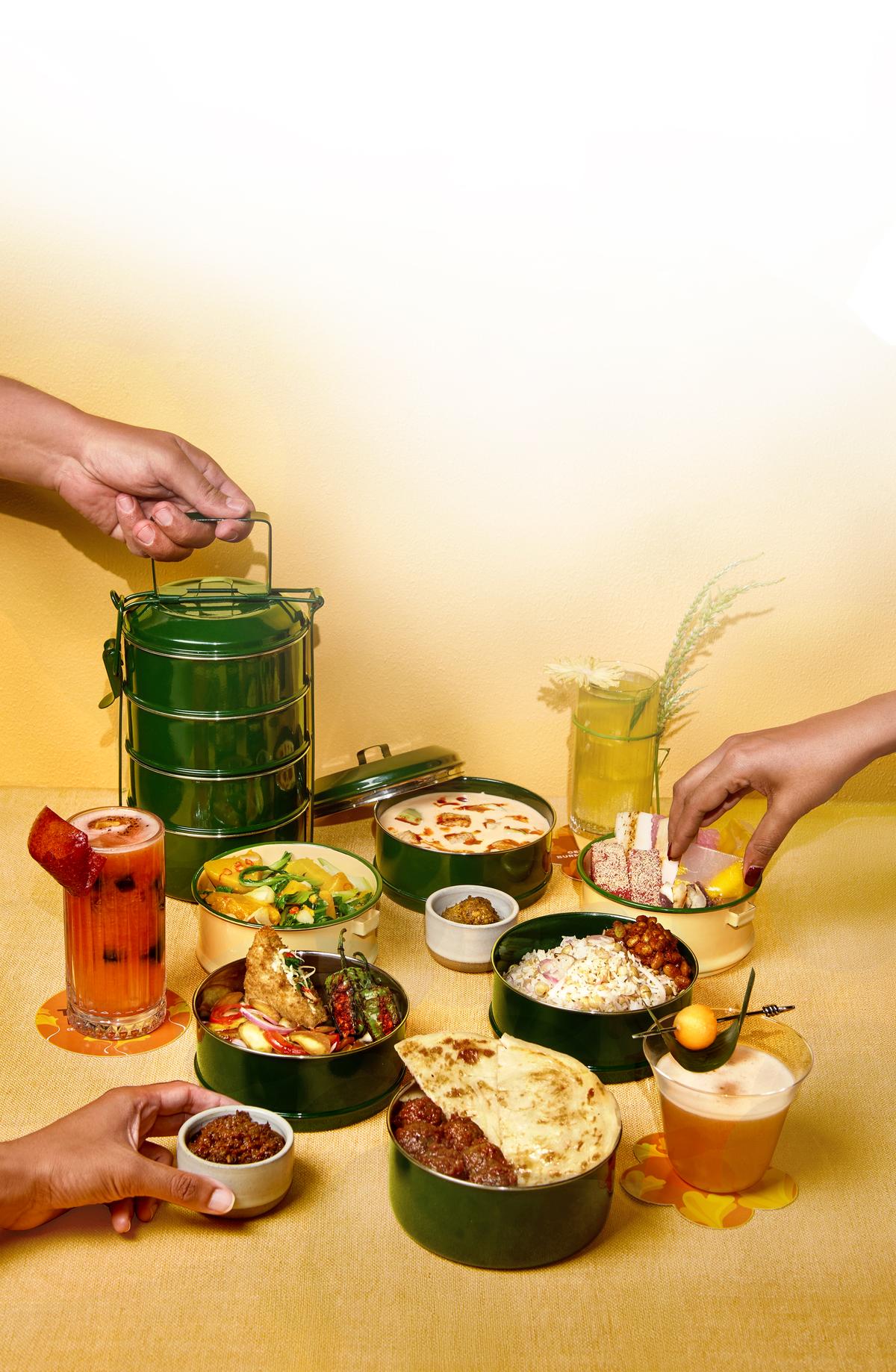
A tiffin meal. | Photo Credit: SPECIAL ARRANGEMENT
Singapore’s Bento: From Tradition to Sustainable Future
Singaporean bento meals often feature delicious combinations like roasted pork, soy eggs, and fried rice. This tradition took root in the early 20th century and gained significant momentum during the Japanese occupation.
Looking to the future, the 2021 Singapore Food Tech Event highlighted an innovative bento box designed for sustainability. This forward-thinking meal included plant-based meat, creamy vegan cashew cheese, and low glycemic index rice, offering a glimpse into eco-conscious dining.
The Philosophy of Bento: Beauty, Balance, and Five Senses
Bento meals are far more than just food; they embody core Japanese values of beauty, balance, and simplicity. Each bento meticulously adheres to the “rule of five,” engaging all five primary tastes – sweet, sour, salty, spicy, and savory. Beyond taste, they aim to captivate all five human senses: the visual delight of presentation, the enticing aroma, the varied textures, and even the satisfying sounds, like the crunch of fresh vegetables or crispy fried shrimp.
A popular example of this artistry is Kyaraben bento, where meals are transformed into adorable anime or cartoon characters, making eating an even more joyful experience.
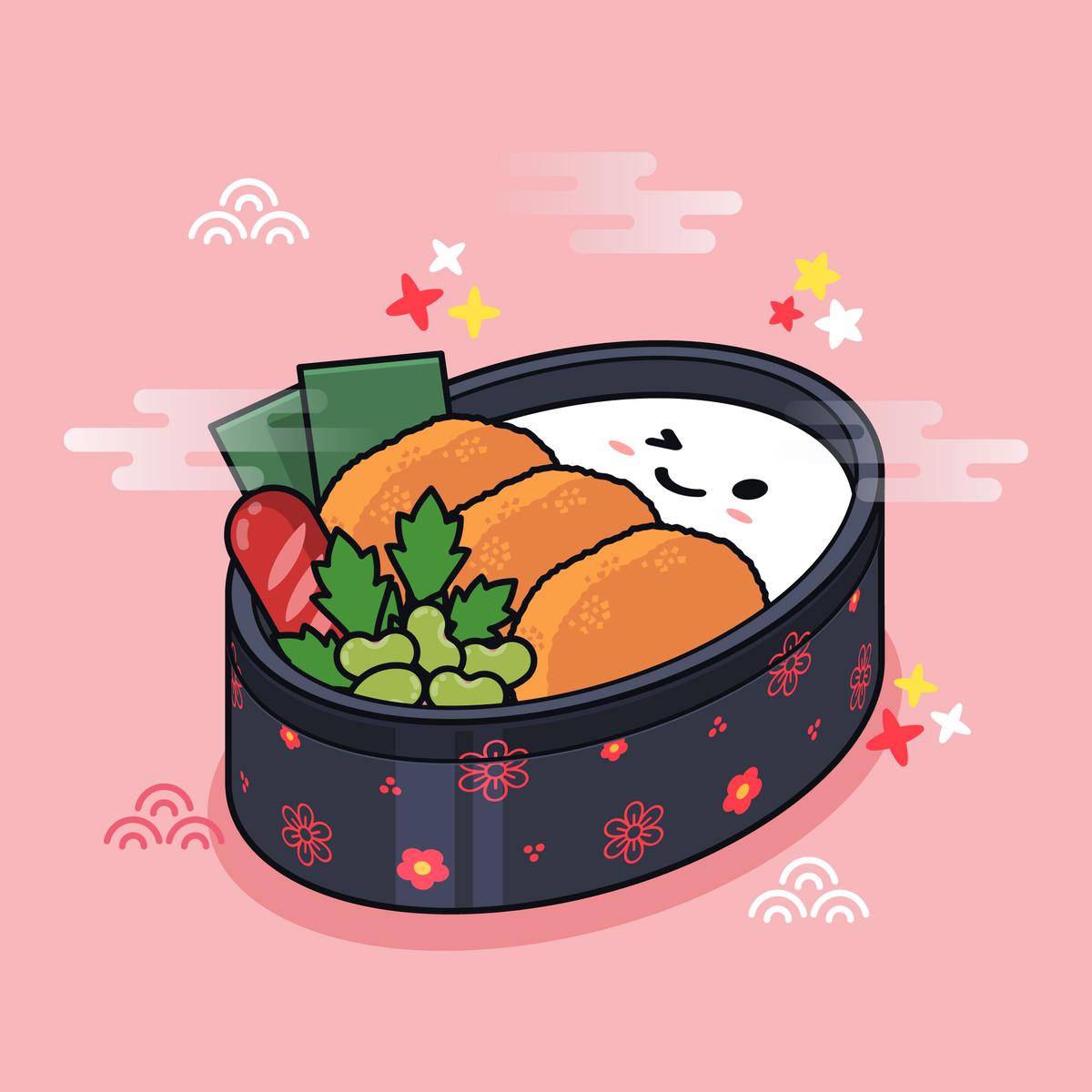
Bento boxes Kyaraben | Photo Credit: Freepik
Ultimately, the bento box stands as a powerful symbol of nutritional balance, culinary artistry, and deep cultural heritage, a beloved tradition that continues to thrive and evolve across the globe.