
You probably know pasta staples like macaroni, penne, and spaghetti. But what if we told you there’s a whole world of truly bizarre and wonderful pasta shapes out there? Get ready to say ‘Oh, mamma mia!’ as we explore some of the funniest and most unusual pastas you never knew existed.
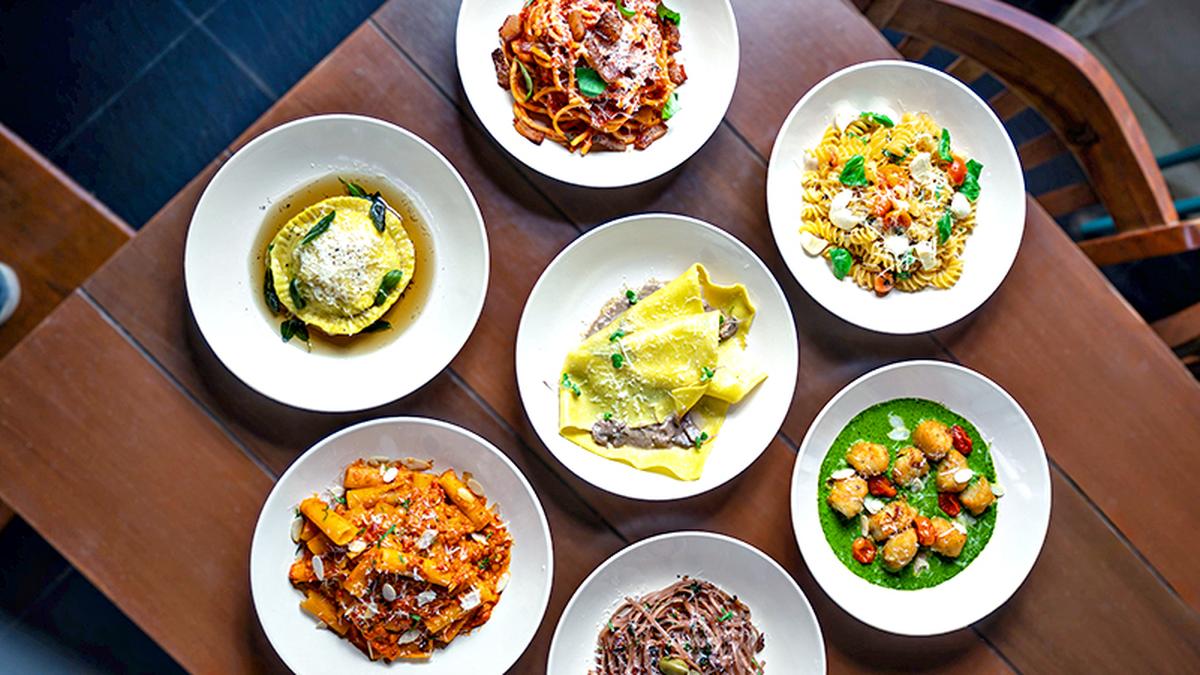
PHOTO: SPECIAL ARRANGEMENT | Photo Credit: Gokul Prasanth
Testaroli
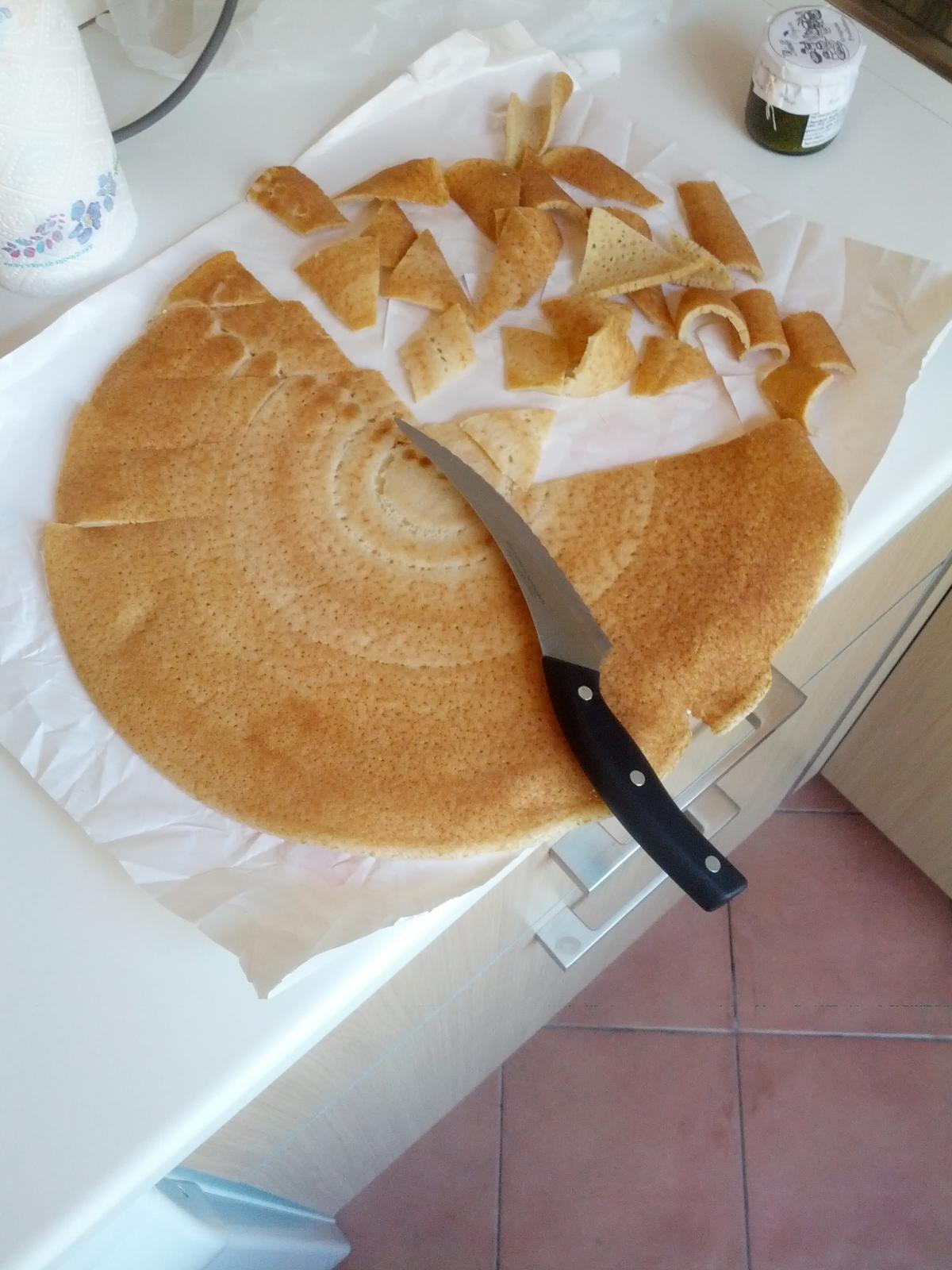
Testaroli. PHOTO: WIKIMEDIA COMMONS
Is it bread? Is it pasta? You decide! Testaroli, sometimes called testarolo, is a unique, thin, and spongy pasta (or bread, depending on who you ask!). It’s made by cooking circular, crêpe-like sheets, then cutting them into diamond or rectangular pieces. Its soft, airy texture often earns it comparisons to focaccia bread. Hailing from Italy’s Lunigiana region, Testaroli is one of the oldest known pasta forms. It’s crafted from a simple batter of flour, water, and salt, then cooked on a special terracotta or cast-iron surface called a ‘testo’—giving it its distinctive name. Traditionally, it’s served with pesto, or a simple dressing of olive oil, savory pecorino cheese (from sheep’s milk), parmesan, and a touch of garlic.
Su Filindeu
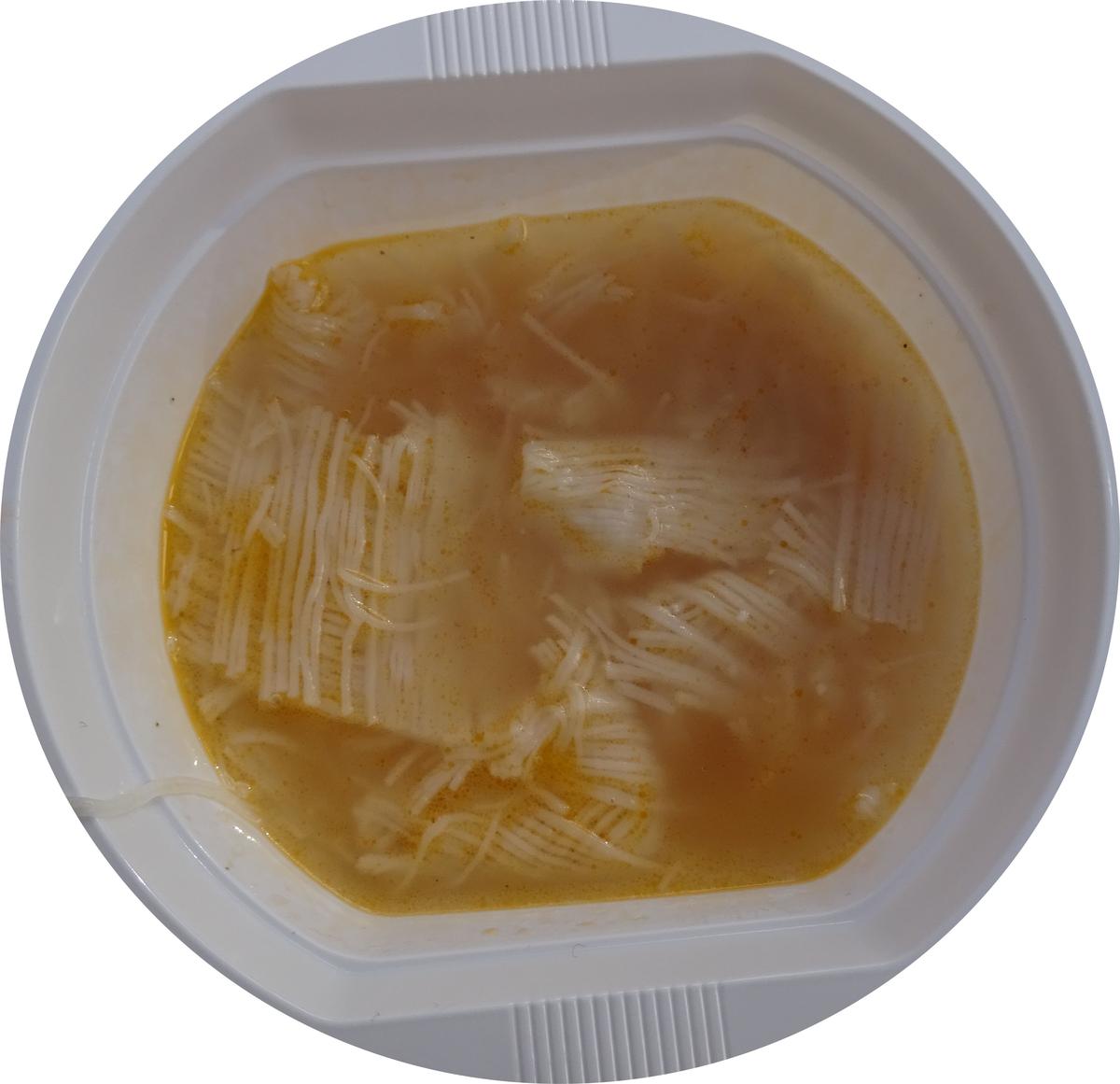
Filindeu in broth. PHOTO: WIKIMEDIA COMMONS
This incredibly rare and endangered pasta shape looks like delicate threads spun by a master weaver—and it’s just as intricate to make! Hailing from the rugged Barbagia mountains of Sardinia, an Italian island, Su Filindeu is renowned as one of the world’s most challenging pasta shapes to create. Its precious status means it’s listed in the ‘Ark of Taste,’ a global catalog dedicated to preserving unique, sustainably produced heritage foods. (Yes, there’s an organization saving endangered FOODs!) To make Su Filindeu, semolina dough (known as sooji in some regions) is painstakingly stretched and folded into incredibly fine threads which are then laid in three delicate layers on a tray and air-dried, forming intricate, fabric-like sheets. Once dried, these sheets are broken into smaller pieces and traditionally served in a rich mutton or sheep broth, often topped with Pecorino cheese.
Campanelle
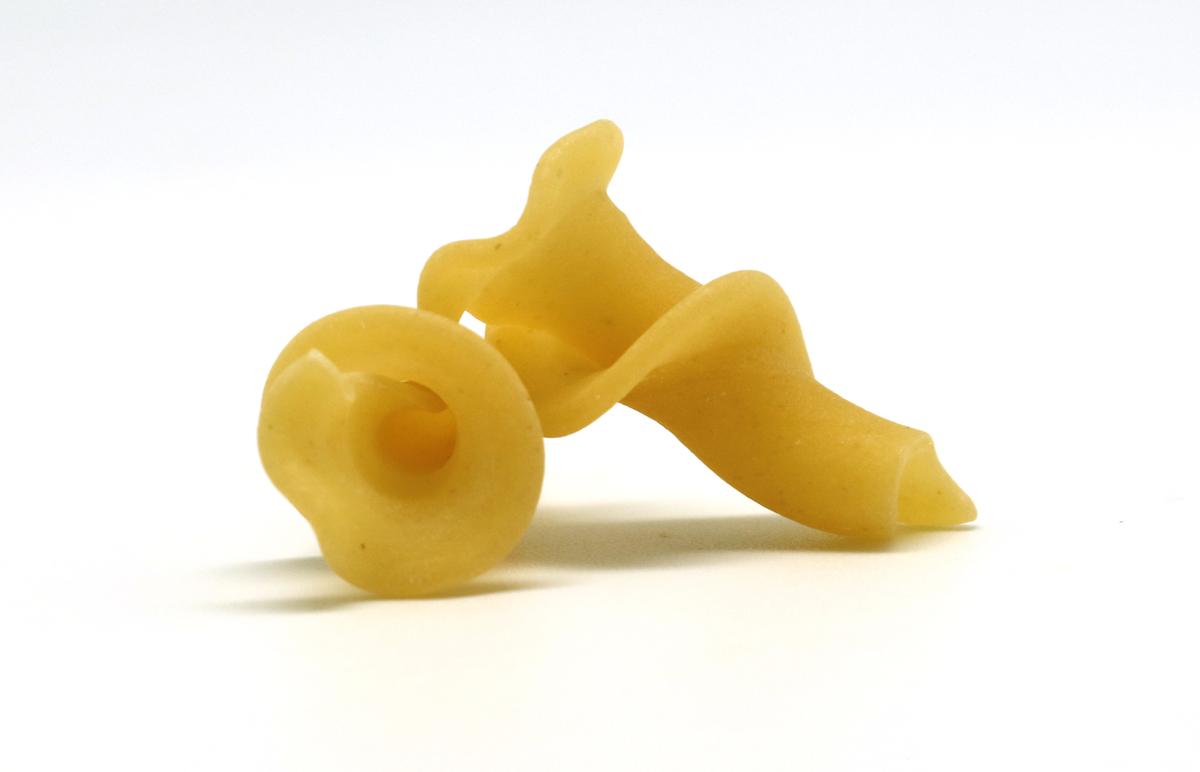
Campanelle or gigli. PHOTO: WIKIMEDIA COMMONS
Get ready for one of the cutest pasta shapes you’ll ever see! Campanelle, meaning ‘little bells’ or ‘bellflowers,’ are perfectly named for their adorable cone shape with a charming ruffled edge, resembling a tiny bell. You might also hear them called ‘gigli’ (lilies) or ‘trompetti’ (trumpets) because of their lovely floral appearance. Originating from Tuscany, these delightful pastas have a special connection to the Florentine lily (which is actually an iris!)—a flower so iconic it gives Tuscany its nickname, the ‘City of Lilies.’ But these aren’t just pretty faces! Their clever conical design is fantastic for capturing and holding rich, thick sauces, ensuring a delicious burst of flavor with every single bite. They’re ideal for hearty casserole dishes and any meal featuring a robust sauce.
‘A Caccavella
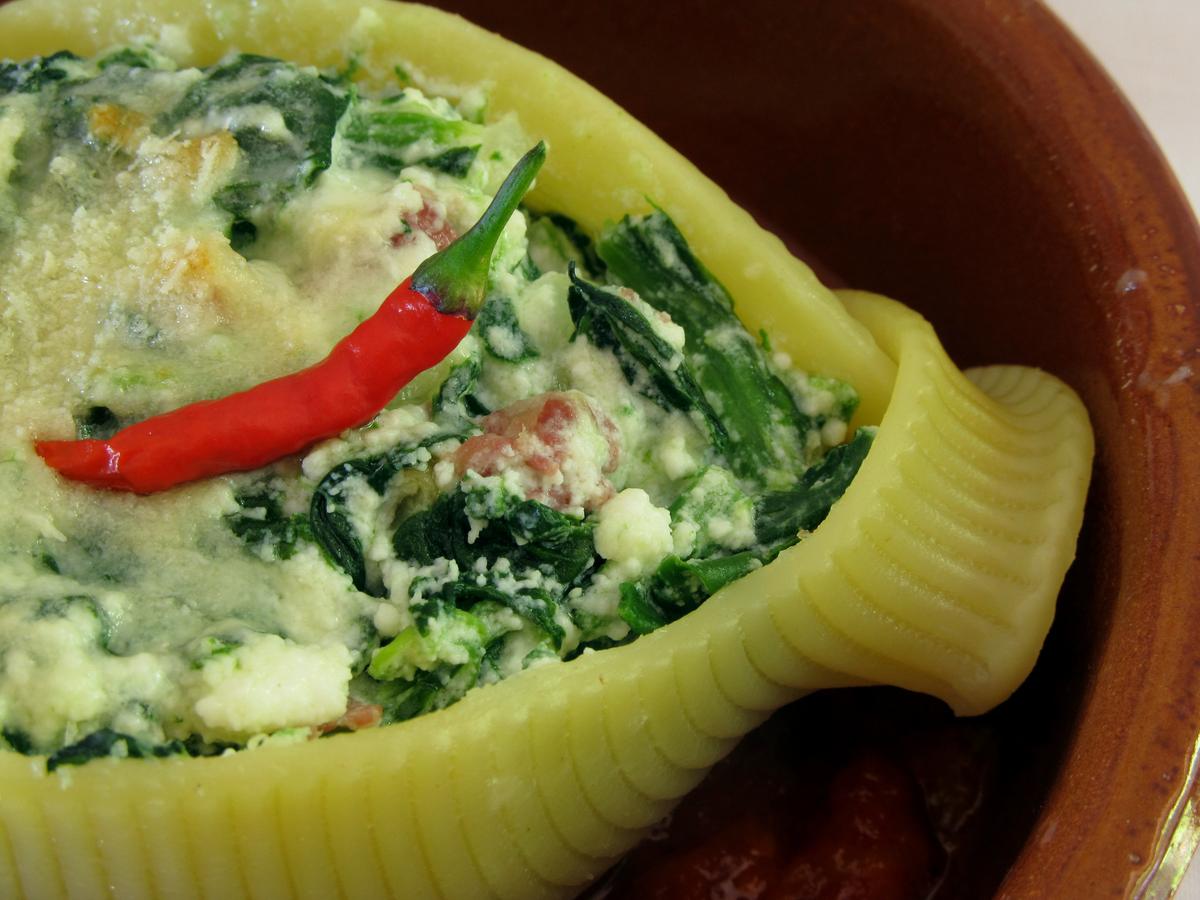
‘A Caccavella. PHOTO: WIKIMEDIA COMMONS
Prepare to be impressed by ‘A Caccavella! This pasta is uniquely shaped like a miniature pot—and fittingly, ‘Caccavelle’ means ‘pots’ in the Neapolitan Italian dialect. But here’s the real kicker: it’s the largest pasta shape in the world! Each impressive shell typically measures a whopping 9 centimeters in diameter and 6 centimeters in height, weighing around 50 grams. Hailing from Gragnano, a town near Naples, Italy (which, fun fact, is also where pasta was first commercially produced!), these massive pastas are usually served as individual, stuffed portions. The most classic preparation is ‘Caccavelle Pasta alla Sorrentina,’ filled with a savory blend of tomato sauce, mozzarella, minced meat, and creamy ricotta cheese—a truly traditional dish from the Campania region.
Corzetti
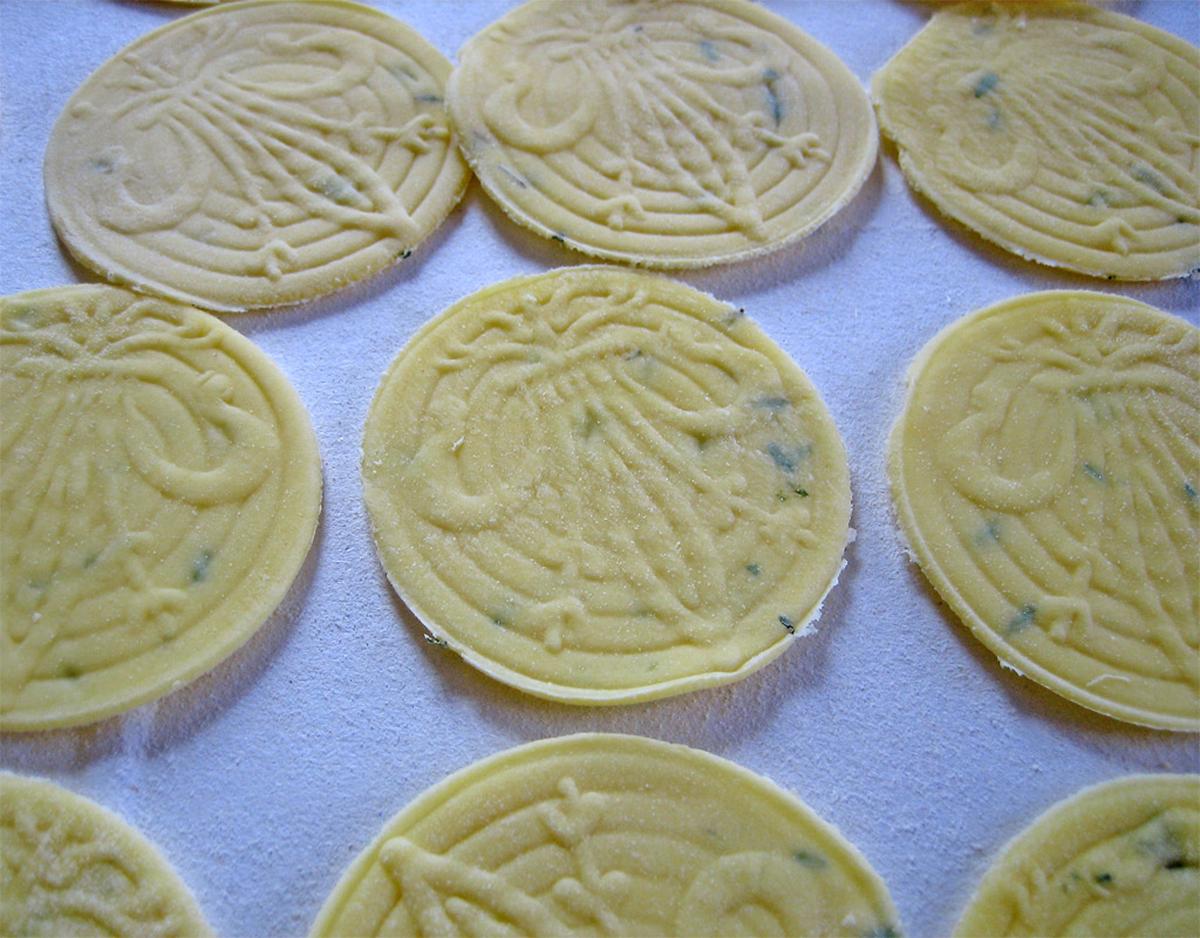
Corzetti. PHOTO: FLICKR
If you think cookie-cutter shapes are too ordinary, get ready for Corzetti—a pasta that elevates aesthetic design to an art form! Originating from Liguria in northwest Italy, right on the French border, Corzetti boasts a truly unique feature: an exquisite embossed decoration on both sides. This intricate design is imprinted using a special hand-carved wooden stamp or by machine, making each piece resemble a beautiful wax seal or an ancient coin. Historically, these pastas were even personalized with family coats of arms; today, they often feature regional emblems or the manufacturer’s trademark. Interestingly, the name ‘Corzetti’ itself comes from ‘corzetto,’ a Genoan coin, which perfectly explains its charming, coin-like appearance!
Cavatappi
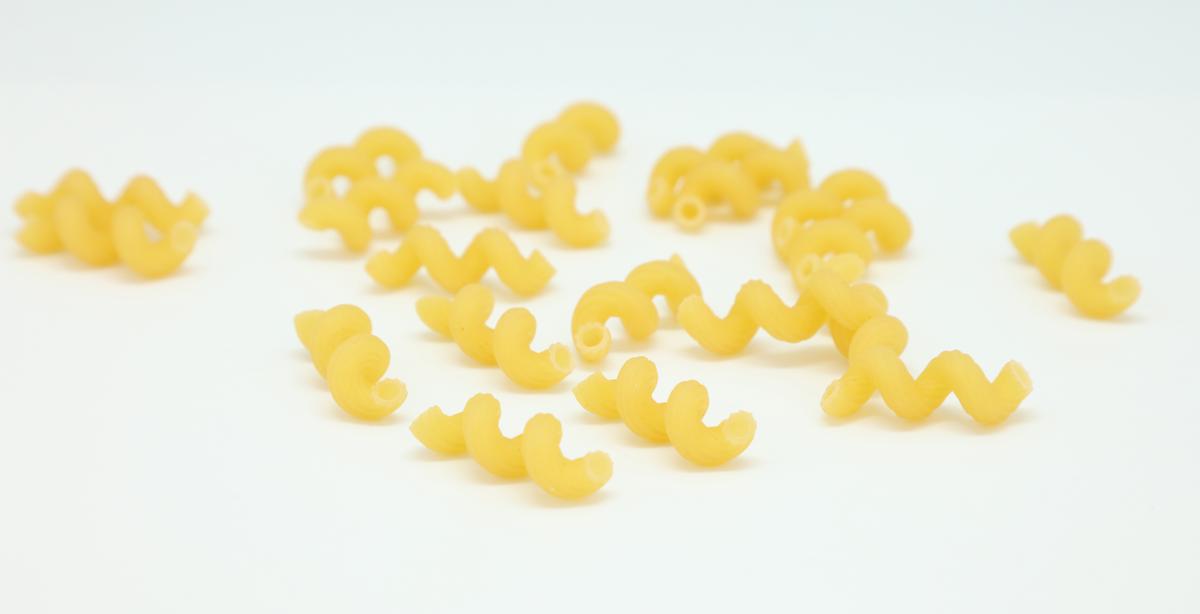
Cavatappi. PHOTO: WIKIMEDIA COMMONS
Imagine if classic macaroni and spiraled fusilli had a delicious baby—you’d get Cavatappi! This delightful pasta combines the hollow shape of macaroni with a fun, corkscrew twist, sometimes also known as ‘spirali.’ Its intriguing origin story begins in the 1970s at Barilla, one of Italy’s oldest food companies in Parma. Apparently, a set of pasta dies (the metal plates that shape the dough) were accidentally created with spiral lines instead of straight ones. The resulting spring-shaped pasta was initially named after Adriano Celentano, a famous Italian performer nicknamed ‘Il Molleggiato’ (‘the bouncy one’) for his dynamic dancing. However, because that name was already trademarked, other producers adopted ‘Cavatappi,’ which literally means ‘corkscrews.’ Just remember, while it looks like a corkscrew, it’s distinct from fusilli, which also shares that nickname!