
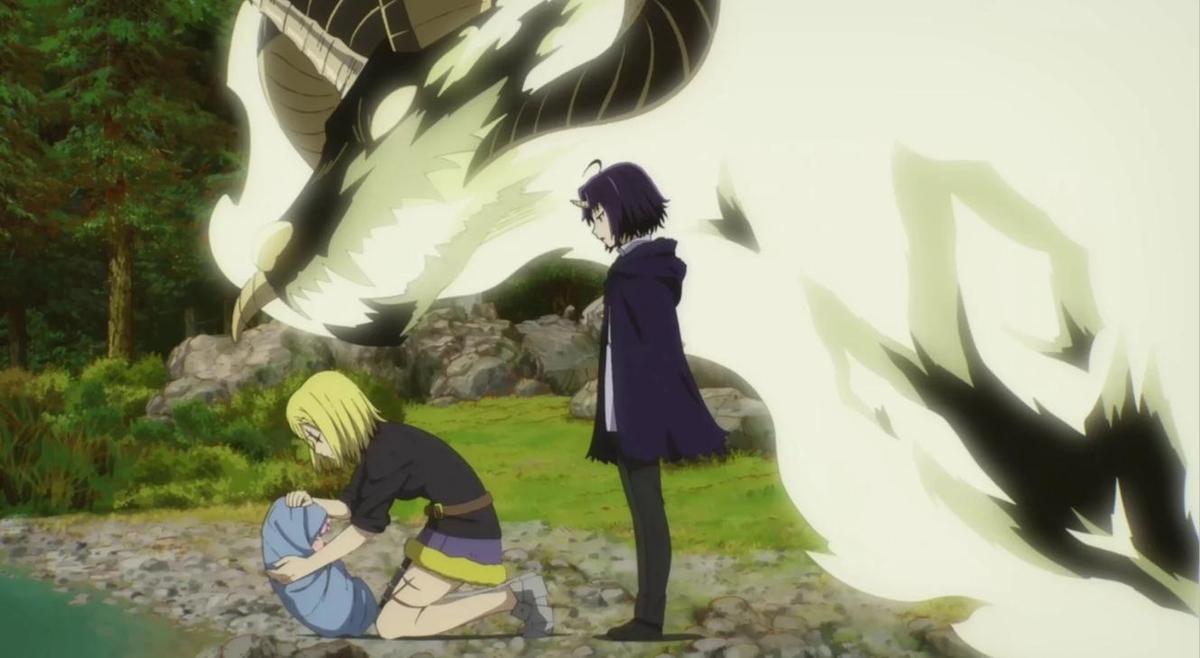
From its opening moments, Clevatess shocks by mercilessly eliminating its heroes. Thirteen mighty champions are brutally dispatched before the narrative truly kicks off. As if that weren’t enough, the fearsome demon king, Clevatess himself, lays waste to an entire kingdom in retaliation for a perceived insult. Yet, amidst the smoking wreckage, he surprisingly halts his rampage to fulfill a dying boy’s final wish: to protect a human infant.
This initial premise is strikingly disarming. While we’re accustomed to monstrous overlords holding empires captive or deities casting mortals into oblivion, it’s rare to witness a demon king genuinely perplexed by a crying baby. Clevatess, a formidable, fox-like horned beast voiced by Yuichi Nakamura, doesn’t find tenderness in the situation. Instead, he approaches it as a bizarre experiment. He even resurrects Alicia Glenfall—the sole female hero among the massacred—purely because someone needs to nurse the child, displaying an almost comical ignorance of human biology by assuming she can simply lactate on demand.
A still from ‘Clevatess’
| Photo Credit:
Crunchyroll
Adapted from Yuji Iwahara’s manga, the series is brought to life by Lay-duce with a vintage austerity reminiscent of Oriental Light and Magic’s classic Berserk. While the combat sequences are bloody, deliberate, and uncompromising, Clevatess often prefers moments of thoughtful conversation and quiet contemplation over relentless action.
At the heart of the series lies the compelling dynamic between Clevatess and Alicia. Bearing the physical and emotional scars of resurrection, Alicia, despite her dire circumstances, stubbornly refuses to abandon her moral compass, even when her demonic master dismisses such concepts as mere human folly. Their sharp, often exasperated dialogues echo the tense, interdependent rhythms of a Beckett play, constantly circling the fundamental questions of obedience and command. The infant Luna, coincidentally the heir to the destroyed kingdom, acts as the unlikely catalyst, compelling these two disparate beings to forge a reluctant cooperation amidst the ruins of their own making.
Clevatess (Japanese Series)
Fantasy narratives often employ the ‘stranger in a strange land’ trope to reflect upon human society. In Clevatess, the outsider’s disdain for human conduct is paralleled only by his intense curiosity. The demon king observes mankind’s brutal tendencies—their desire to enslave, torture, and kill—with clinical detachment. Alicia, however, experiences every setback and treachery on a deeply profound physical, emotional, and psychological level. The series masterfully draws out the poignancy found in the clash of these two radically different viewpoints.
Remarkably, the series’ strength lies in its portrayal of its female characters. Alicia, unwillingly brought back from the dead, could have easily been relegated to a mere plot device or victim. Instead, she becomes the series’ true emotional core. Once a hero filled with adventurous dreams, she is now forced to confront the deep-seated corruption within her kingdom’s very traditions. Haruka Shiraishi delivers a performance of fierce vulnerability, depicting Alicia as a woman caught between profound grief and an unyielding sense of duty, steadfastly refusing to abandon her moral convictions even as they are continuously challenged, shattered, or dismembered. Scarred, unyielding, and stripped of her former heroic identity, she steadfastly carves out her own difficult path.
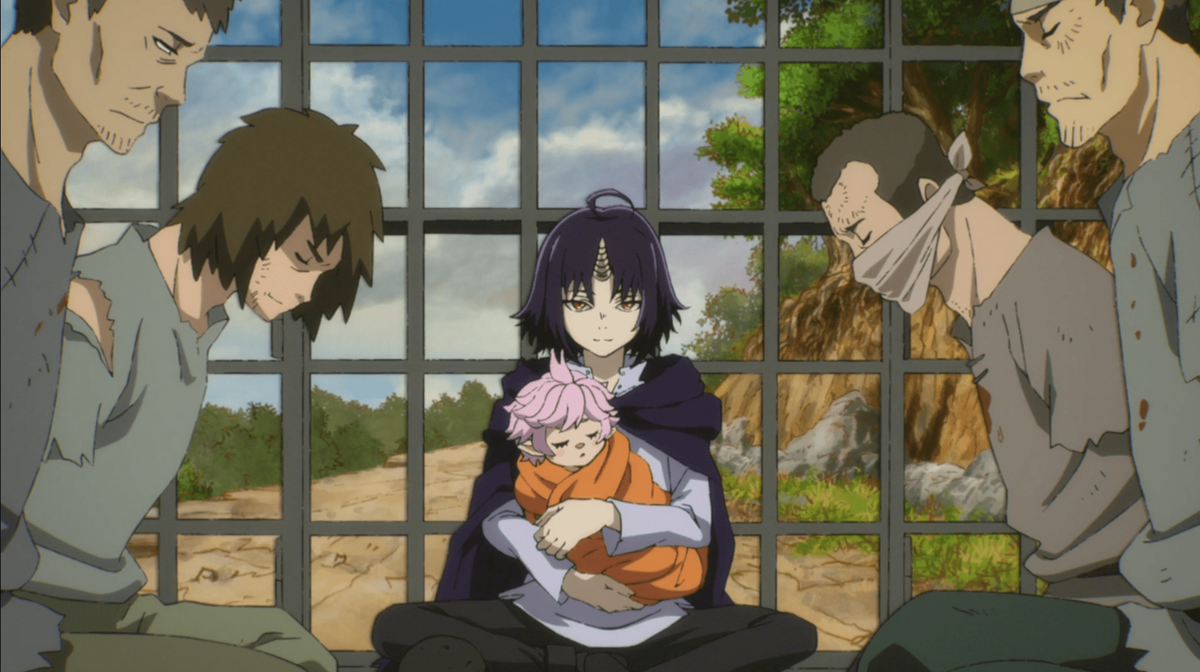
Nelluru, a former slave who later becomes Luna’s devoted caretaker, exemplifies an even deeper resilience. Having endured abuse and assault since childhood, her journey to dignity and liberation is a testament to immense strength. Even the dowager Princess T’ala, introduced much later, defies expectations by refusing to be merely a grieving mother, instead rising to become a shrewd strategist and protector of her realm. Collectively, these women serve as a powerful counterpoint to the demon king’s detached brutality, and much of the series’ compelling narrative often stems from their pivotal decisions rather than his.
Furthermore, Clevatess brilliantly subverts traditional high fantasy tropes. While J.R.R. Tolkien’s The Lord of the Rings celebrated fellowship and destiny, this series begins with a broken ‘fellowship’ and systematically exposes destiny as a mere fabrication. Its closest tonal relative might be Berserk, with its focus on the devastating aftermath of conflict and the corrupting influence of power; yet, Clevatess prioritizes intimate character interactions over grand spectacle. Unlike contemporary series like Frieren, which approaches the demon lord’s absence with elegiac reflection, Clevatess daringly explores how the entire narrative shifts when the supposed villain not only survives but becomes a central figure.
A still from ‘Clevatess’
| Photo Credit:
Crunchyroll
This is not a gentle series. Subplots concerning slavery and abuse delve into a profound bleakness, aligning it more with the raw brutality of Goblin Slayer than the introspective melancholy of Frieren. Beneath the surface of violence, Clevatess probes deeper questions about the mechanics of power: who wields it, who endures its cruelty, and who perpetuates the illusion of destiny. The kingdom’s forge, unveiled later in the season as a system for fabricating kings and heroes, serves as a sharp allegory for the manufactured myths of legitimacy, built upon sacrifice and hidden truths.
Ultimately, the series’ captivating nature stems from its unique perspective. While Clevatess possesses immense power, his most crucial trait is his extraordinary perceptiveness. Unburdened by human societal norms, he observes the blatant hypocrisies of mortal, self-serving lives with a clinical, almost indifferent eye. Where a conventional hero would preach morality, he simply categorizes. Where a typical villain would gloat, he merely shrugs. This anthropological gaze grants Clevatess its distinctive intensity: a profound examination of human intentions, viewed through the lens of a being utterly alien yet, by an unforeseen twist of fate, compelled to care for one of us.
The intimate core of this narrative possesses a remarkable staying power. Despite all the bloodshed, Clevatess is fundamentally a story about the complex and often awkward miracle of coexistence. While fantasy often grapples with how to conquer evil, this series poses a more intriguing question: what if evil persisted, not to dominate, but to truly understand the very act of caring?
You can currently stream the Clevatess series on Crunchyroll.